
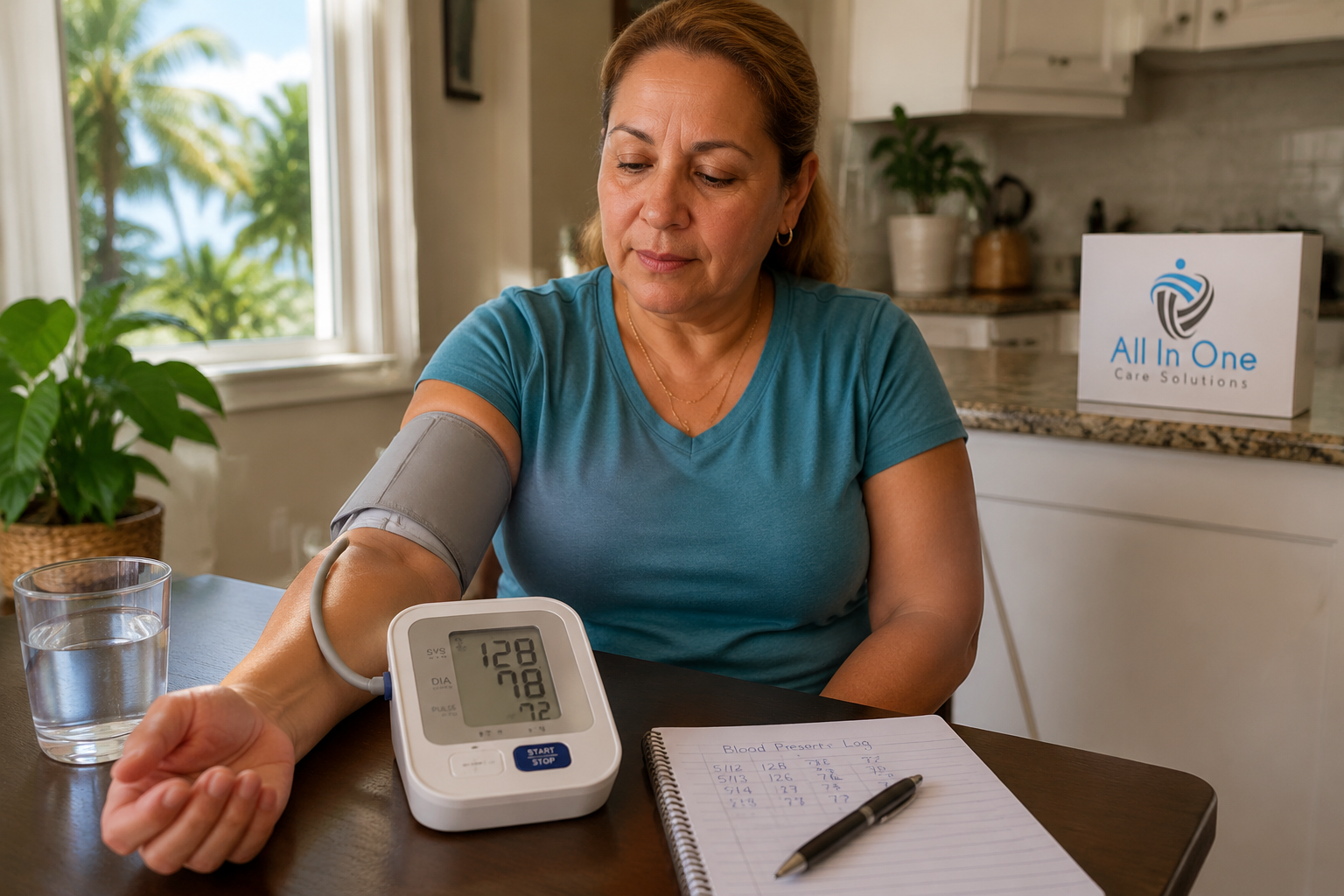
How Often Should You Check Your Blood Pressure?
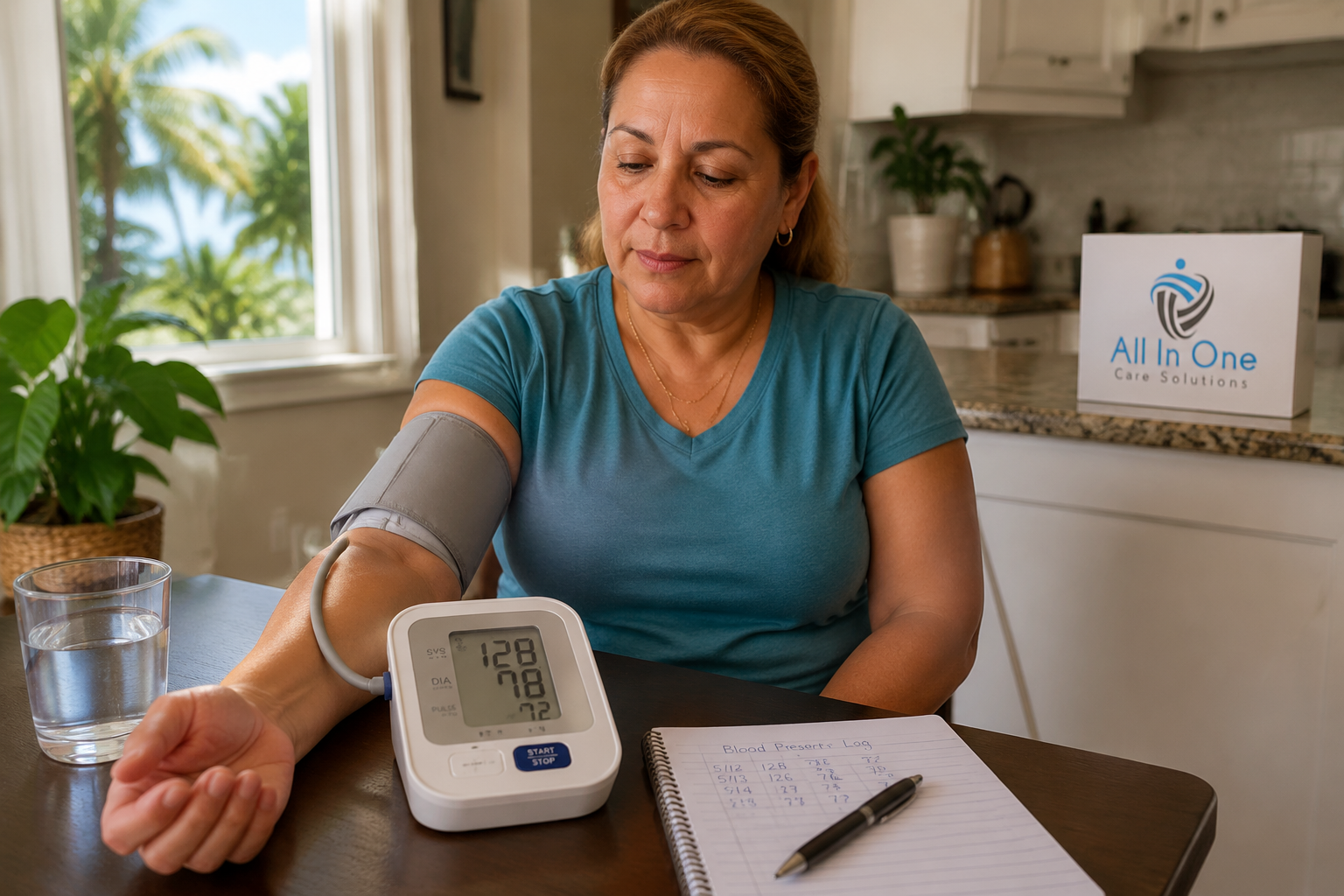
Last updated: July 2, 2026
Quick Answer: How often you should check your blood pressure depends on your current readings, age, and medical history. Healthy adults with normal blood pressure typically need a check every one to two years. Adults with elevated readings, hypertension, diabetes, or heart disease should monitor more frequently — often daily or at every clinical visit. Your primary care provider should set the schedule that fits your specific risk profile.
Key Takeaways
- Adults with normal blood pressure (below 120/80 mmHg) should have it checked at least once every one to two years.
- Anyone with high blood pressure, diabetes, or kidney disease should check more often — typically daily at home and at every doctor visit.
- The best time to check blood pressure at home is in the morning before eating or taking medications, and again in the evening.
- Take two to three readings per session, spaced one to two minutes apart, and record the average.
- Starting a new blood pressure medication requires more frequent monitoring — often daily for the first few weeks.
- Pregnant women, especially those at risk for preeclampsia, need frequent blood pressure checks throughout pregnancy.
- Checking too often without clinical guidance can cause unnecessary anxiety but is not physically harmful.
- A single high reading does not confirm hypertension — consistent elevated readings over time do.
- An annual physical exam is one of the most reliable ways to catch blood pressure problems early, even when you feel fine.
- Uncontrolled high blood pressure rarely causes symptoms, which is why regular monitoring is a critical preventive tool.
Why Blood Pressure Monitoring Matters More Than Most People Realize
Nearly half of American adults have high blood pressure, according to the Centers for Disease Control and Prevention (CDC), and a significant portion of them are unaware of it. High blood pressure — also called hypertension — earns its reputation as the “silent killer” because it produces no noticeable symptoms until serious damage has already occurred to the heart, kidneys, or brain.
Knowing how often you should check your blood pressure is not a minor administrative detail. It is a core part of preventive care. Catching an elevated reading early gives you and your doctor time to act before a stroke, heart attack, or kidney failure becomes the first sign that something was wrong.
For patients in Miami Gardens, Miami Lakes, Hialeah, and surrounding communities, access to consistent blood pressure treatment and primary care in Miami Gardens can make a measurable difference in long-term health outcomes.
Normal Blood Pressure Check Frequency by Age
The recommended frequency for blood pressure checks changes as you get older and as your health profile shifts.
General guidelines by age and health status:
| Group | Recommended Frequency |
|---|---|
| Adults 18-39, normal BP, no risk factors | Every 2 years |
| Adults 40+, normal BP | Every year |
| Adults with elevated BP (120-129/less than 80) | Every 3-6 months with lifestyle changes |
| Adults with Stage 1 hypertension (130-139/80-89) | Every 1-3 months initially |
| Adults with Stage 2 hypertension (140+/90+) | Monthly or more, per provider guidance |
| Adults with diabetes or chronic kidney disease | At every clinical visit |
| Seniors (65+) on Medicare | At every wellness visit |
| Pregnant women (high-risk) | Weekly or more, per OB guidance |
These are general benchmarks. Your provider may adjust the schedule based on your medication, recent lab results, and overall cardiovascular risk.
How Often Should You Check Blood Pressure at Home?
For most adults managing elevated readings or hypertension, checking blood pressure at home once or twice daily is appropriate. Home monitoring provides a more accurate picture of your true average than a single office reading, which can be affected by stress, caffeine, or anxiety.
Recommended home monitoring routine:
- Check once in the morning, before taking any medications and before eating or drinking coffee.
- Check once in the evening, before dinner.
- Take two to three readings per session, waiting one to two minutes between each.
- Record all readings in a log or a phone app to share with your provider.
- Avoid checking immediately after exercise, smoking, or a stressful event.
This twice-daily routine is particularly useful when you are newly diagnosed, starting a medication, or adjusting a treatment plan. Once your readings are consistently stable, your provider may reduce the recommended frequency.
Do You Need to Check Blood Pressure Every Day?
Not everyone needs daily monitoring. Whether daily checks are necessary depends on your diagnosis and treatment status.
Check daily if you:
- Have been diagnosed with Stage 1 or Stage 2 hypertension
- Recently started or changed a blood pressure medication
- Have diabetes, chronic kidney disease, or a history of stroke
- Are pregnant or in the postpartum period with elevated readings
Every few days or weekly may be enough if you:
- Have well-controlled blood pressure with stable medication
- Are monitoring to confirm that lifestyle changes are working
- Have borderline elevated readings and are tracking trends
You may not need daily home monitoring if you:
- Have consistently normal blood pressure with no risk factors
- Are under 40 with no family history of hypertension or cardiovascular disease
Even if daily checks are not required, an annual physical exam remains the baseline standard for catching any changes over time.
How Many Times a Day Should You Take Your Blood Pressure — and Does It Matter?
Two readings per day — morning and evening — is the standard recommended by major cardiology guidelines for adults actively managing hypertension. Taking more than three readings in a single session rarely adds useful information and can increase anxiety.
What the research supports:
The American Heart Association (AHA) recommends a structured home monitoring protocol: two readings, taken one minute apart, in the morning and evening, for at least seven consecutive days before a clinical appointment. This gives your provider a reliable 14-reading average to work with.
Common mistake: Taking a single reading after physical activity, stress, or a large meal and treating it as your baseline. Blood pressure fluctuates naturally throughout the day by 20 mmHg or more. One isolated reading — high or low — does not define your status.
Best Time of Day to Check Blood Pressure
The most clinically useful time to check blood pressure is in the morning, between waking up and taking medications or eating breakfast. This captures your “resting” baseline before daily stimulants and activity alter the reading.
Morning reading tips:
- Wait at least 30 minutes after waking before measuring.
- Empty your bladder first — a full bladder can raise readings.
- Sit quietly for five minutes before placing the cuff.
- Keep your feet flat on the floor and your arm supported at heart level.
Evening readings are also valuable because they capture how your body responds to the day’s activity and stress. Together, morning and evening readings give your provider a more complete picture than either alone.
Avoid checking blood pressure immediately after exercise, within 30 minutes of caffeine or tobacco use, or during acute emotional stress. These situations produce temporarily elevated readings that do not reflect your true cardiovascular baseline.
Blood Pressure Monitoring Schedule for Hypertension
Adults with confirmed hypertension need a structured monitoring schedule, not occasional spot checks. The frequency depends on how well the condition is controlled and whether medication is involved.
For newly diagnosed hypertension:
- Check twice daily (morning and evening) for the first four to eight weeks.
- Bring your log to every follow-up appointment.
- Schedule a clinical follow-up within one month of diagnosis.
For controlled hypertension on stable medication:
- Check at least three to four times per week.
- Have a clinical blood pressure measurement every three to six months.
- Increase to daily monitoring if you notice readings trending upward.
For resistant or difficult-to-control hypertension:
- Daily monitoring is typically required.
- More frequent clinical visits — monthly or every six weeks — may be necessary.
- Your provider may recommend ambulatory blood pressure monitoring (a 24-hour wearable device) for a complete picture.
Patients managing hypertension alongside diabetes or high cholesterol benefit from comprehensive chronic disease management that coordinates all three conditions together, rather than treating each in isolation.
How Often Should You Check Your Blood Pressure After Starting Medication?
After starting a new blood pressure medication, daily monitoring for the first two to four weeks is standard. This helps confirm that the medication is working and allows your provider to catch side effects — such as blood pressure dropping too low — before they become a problem.
Post-medication monitoring protocol:
- Days 1-14: Check morning and evening, every day.
- Days 15-30: Check daily, or as directed by your provider.
- After 30 days: If readings are stable and within target range, reduce to three to four times per week.
- At the one-month follow-up: Bring your full log for review.
If readings remain above target after four weeks, your provider may adjust the dose or add a second medication. If readings drop too low (below 90/60 mmHg) or you experience dizziness, lightheadedness, or fainting, contact your provider promptly.
Blood Pressure Monitoring During Pregnancy
Pregnant women face a distinct set of risks related to blood pressure. Conditions like gestational hypertension and preeclampsia can develop quickly and carry serious risks for both mother and baby.
Blood pressure should be checked at every prenatal visit — typically every four weeks in the first and second trimesters, then more frequently in the third trimester. Women with a history of hypertension, kidney disease, or a prior pregnancy complicated by preeclampsia may need weekly or even more frequent monitoring.
Warning signs that require immediate evaluation:
- Systolic reading above 160 mmHg or diastolic above 110 mmHg
- Sudden swelling in the face or hands
- Severe headache, visual changes, or upper abdominal pain
Home blood pressure monitoring during pregnancy is increasingly recommended for high-risk patients. Women in South Florida can discuss a personalized monitoring plan through women’s health services that include prenatal blood pressure oversight as part of comprehensive care.
What Happens If You Don’t Check Your Blood Pressure Regularly?
Skipping regular blood pressure checks allows hypertension to go undetected and untreated for months or years. During that time, sustained high pressure silently damages blood vessel walls, strains the heart, and reduces kidney function.
Documented consequences of undetected hypertension include:
- Increased risk of heart attack and stroke
- Progression to heart failure
- Chronic kidney disease
- Vision loss from hypertensive retinopathy
- Cognitive decline and vascular dementia
The risk is particularly high in communities with limited access to regular primary care. In Miami Gardens and surrounding areas, many adults go years without a routine blood pressure check simply because they have not established care with a family medicine provider.
An annual physical exam — which includes a blood pressure measurement as a standard component — is one of the most cost-effective ways to prevent these outcomes. At All In One Care Solutions, a complete annual exam including EKG and basic blood panel is available for $150, with no insurance required.
Can You Check Blood Pressure Too Often?
Checking blood pressure too frequently — multiple times per hour, for example — does not cause physical harm, but it can create a cycle of health anxiety that is counterproductive. Blood pressure naturally fluctuates throughout the day in response to activity, posture, stress, and even conversation. Obsessive monitoring of every minor variation can lead to unnecessary worry and even a phenomenon called “cuff anxiety,” where the act of measuring itself raises the reading.
Signs you may be monitoring too often:
- You feel anxious between readings and rush to check again.
- You take five or more readings in a single sitting to get a “better” number.
- You adjust your daily activities based on a single elevated reading.
The goal of home monitoring is to identify trends over days and weeks, not to react to every individual reading. If you find yourself checking more than three times per day without a clinical reason, discuss this pattern with your provider.
How to Know If You Are Checking Blood Pressure Correctly
Technique errors are one of the most common reasons home blood pressure readings are inaccurate. A poorly positioned cuff or an incorrect sitting posture can add 10 to 15 mmHg to a reading.
Correct technique checklist:
- Use a validated automatic upper-arm cuff (not a wrist monitor, which is less accurate).
- Sit in a chair with back support, feet flat on the floor, legs uncrossed.
- Rest quietly for five minutes before measuring.
- Place the cuff on bare skin, not over clothing.
- Position the cuff so the bottom edge is about one inch above the bend of the elbow.
- Keep your arm supported at heart level — resting on a table works well.
- Do not talk during the measurement.
- Take two readings, one to two minutes apart, and record both.
Bring your home monitor to your next clinical appointment so your provider can compare its readings to the office device. This calibration step helps confirm your home monitor is accurate.
For patients in Miami Gardens and Miami Lakes seeking professional blood pressure evaluation, the team at All In One Care Solutions provides in-office measurements, lab testing, and chronic disease management in one convenient location.
Do You Need to Check Blood Pressure If It’s Normal?
Yes — but less frequently. A single normal reading does not mean blood pressure will stay normal indefinitely. Blood pressure tends to rise gradually with age, weight gain, dietary changes, and stress. The goal of periodic monitoring in healthy adults is to catch that gradual rise before it crosses into the hypertension range.
Adults with consistently normal readings and no risk factors can follow the every-one-to-two-year schedule outlined earlier. However, if any of the following apply, more frequent checks are warranted even if your last reading was normal:
- Family history of hypertension or early cardiovascular disease
- Body mass index above 30
- High sodium diet or low physical activity
- Chronic stress or sleep apnea
- Starting a medication known to raise blood pressure (such as certain NSAIDs, decongestants, or hormonal contraceptives)
Conclusion: Make Blood Pressure Monitoring Part of Your Preventive Care Routine
Blood pressure is one of the most reliable early indicators of cardiovascular risk — and one of the easiest to track. The answer to how often you should check your blood pressure is not the same for everyone. A healthy 35-year-old with no risk factors needs a check every one to two years. An adult with hypertension, diabetes, or a new medication needs daily monitoring and regular clinical follow-up.
What matters most is having a consistent plan and a provider who reviews your readings and adjusts your care accordingly.
Actionable next steps:
- Schedule a blood pressure check at your next primary care visit — or book one today if you do not have a provider.
- If you have been diagnosed with hypertension, purchase a validated upper-arm home monitor and begin a daily log.
- Bring your home readings to every appointment so your provider can track trends over time.
- If you have not had an annual physical exam this year, consider booking one. It includes a blood pressure measurement along with EKG and blood panel as part of a complete health evaluation.
At All In One Care Solutions, patients in Miami Gardens, Miami Lakes, and Hialeah have access to comprehensive primary care and chronic disease management — including hypertension monitoring, lab testing, and personalized treatment plans. The clinic accepts most major insurance plans and offers affordable self-pay options for patients without coverage.
To schedule an appointment, call (786) 446-9414 or visit allinonecaresolutions.com. Same-day appointments are available.
Frequently Asked Questions
What is a normal blood pressure reading for adults? A normal blood pressure reading is below 120/80 mmHg. Readings between 120-129/less than 80 are considered elevated. Stage 1 hypertension begins at 130/80 mmHg, and Stage 2 at 140/90 mmHg or higher.
How often should seniors check their blood pressure? Adults over 65 should have blood pressure checked at every medical visit, including Medicare Annual Wellness Visits. Daily home monitoring is recommended for seniors with hypertension or cardiovascular disease.
Is a wrist blood pressure monitor accurate enough for home use? Upper-arm monitors are more accurate and are preferred by most clinical guidelines. Wrist monitors can produce inconsistent results if the wrist is not held at exactly heart level during the measurement.
What should I do if I get a very high reading at home? A single reading above 180/120 mmHg — especially with symptoms like chest pain, severe headache, or shortness of breath — requires immediate emergency care. Call 911 or go to the nearest emergency room. A single elevated reading without symptoms should be rechecked after five minutes of rest and reported to your provider.
Can stress alone cause high blood pressure readings? Acute stress temporarily raises blood pressure, but it does not cause chronic hypertension on its own. However, chronic unmanaged stress can contribute to sustained elevated readings over time. If your readings are consistently elevated only during stressful periods, discuss this pattern with your provider.
Does the time of day affect which arm I should use for blood pressure checks? The time of day does not determine which arm to use. Use the arm your provider recommends — typically the one that gave a higher reading during your initial clinical assessment. Be consistent and always use the same arm for home monitoring.
How long should I monitor blood pressure before a doctor’s appointment? The American Heart Association recommends monitoring for at least seven consecutive days before a clinical appointment, taking two readings morning and evening. This provides a 14-reading average that is more clinically useful than a single office measurement.
Can blood pressure medication stop working over time? Yes. Blood pressure medications can become less effective as the body changes with age, weight gain, or kidney function decline. Regular monitoring helps identify when a medication adjustment is needed. Never stop or adjust blood pressure medication without consulting your provider.
What is white coat hypertension? White coat hypertension refers to elevated blood pressure readings that occur only in a clinical setting, likely due to anxiety, while home readings remain normal. Home monitoring is the most effective way to distinguish white coat hypertension from true hypertension.
Is high blood pressure more common in Hispanic adults? Research published by the American Heart Association indicates that hypertension rates are significant among Hispanic adults, with awareness and treatment gaps noted in some communities. Regular preventive care and accessible family medicine services — including bilingual care — play an important role in closing those gaps in South Florida.
References
- Centers for Disease Control and Prevention. “Facts About Hypertension.” CDC.gov. 2023. https://www.cdc.gov/bloodpressure/facts.htm
- American Heart Association. “Monitoring Your Blood Pressure at Home.” Heart.org. 2023. https://www.heart.org/en/health-topics/high-blood-pressure/understanding-blood-pressure-readings/monitoring-your-blood-pressure-at-home
- Whelton PK, et al. “2017 ACC/AHA/AAPA/ABC/ACPM/AGS/APhA/ASH/ASPC/NMA/PCNA Guideline for the Prevention, Detection, Evaluation, and Management of High Blood Pressure in Adults.” Journal of the American College of Cardiology. 2018. https://www.jacc.org/doi/10.1016/j.jacc.2017.11.006
- U.S. Preventive Services Task Force. “Hypertension in Adults: Screening.” USPSTF. 2021. https://www.uspreventiveservicestaskforce.org/uspstf/recommendation/hypertension-in-adults-screening
- American College of Obstetricians and Gynecologists. “Gestational Hypertension and Preeclampsia.” ACOG Practice Bulletin. 2020. https://www.acog.org/clinical/clinical-guidance/practice-bulletin/articles/2020/06/gestational-hypertension-and-preeclampsia
Tags: blood pressure monitoring, how often to check blood pressure, hypertension management, home blood pressure check, blood pressure frequency, chronic disease management Miami, preventive care Miami Gardens, high blood pressure treatment, annual physical exam Miami, primary care Miami Gardens, blood pressure after medication, blood pressure during pregnancy