Hydration Tips for Miami Gardens Residents Who Work Outdoors
Last updated: March 7, 2026
Working outdoors in Miami Gardens means facing South Florida’s intense heat, high humidity, and year-round sun exposure. For the thousands of residents who earn their living in construction, landscaping, agriculture, and other outdoor industries, proper hydration isn’t just about comfort—it’s a critical health necessity. These 18 hydration tips for Miami Gardens residents who work outdoors provide practical, medically-informed strategies to prevent dehydration, heat exhaustion, and serious heat-related illness while maintaining peak performance throughout the workday.
Miami Gardens outdoor workers face unique challenges. Summer temperatures regularly exceed 90°F, humidity hovers near 80%, and the heat index can climb above 105°F. Under these conditions, the body can lose more than a gallon of fluid per hour through sweat. Without proper hydration protocols, workers risk decreased productivity, impaired cognitive function, and potentially life-threatening heat stroke.

Key Takeaways
- Start hydrating before work begins: Drink 16-20 ounces of water 2 hours before your shift to establish baseline hydration
- Follow the 8-ounce rule: Consume 8 ounces of water every 15-20 minutes during outdoor work in Miami Gardens heat
- Monitor urine color: Pale yellow indicates proper hydration; dark yellow or amber signals dehydration
- Replace electrolytes: Sweat depletes sodium, potassium, and magnesium—replenish with sports drinks or electrolyte solutions
- Recognize warning signs early: Headache, dizziness, reduced sweating, and muscle cramps indicate advancing dehydration
- Schedule strategic breaks: Rest in shade every hour to reduce core body temperature and rehydrate
- Consider IV hydration therapy: Medical-grade hydration treatments deliver fluids and nutrients directly when oral intake isn’t sufficient
- Adjust intake for conditions: Increase fluid consumption on days with heat advisories or when working in direct sunlight
- Avoid dehydrating substances: Limit caffeine and never consume alcohol before or during outdoor work
- Create a hydration schedule: Set phone reminders or use apps to maintain consistent fluid intake throughout the day
Quick Answer
Miami Gardens outdoor workers should drink 8 ounces of water every 15-20 minutes during active work, starting with 16-20 ounces two hours before their shift. In South Florida’s extreme heat and humidity, workers can lose 1-2 liters of fluid per hour, requiring 1-2 gallons of total daily fluid intake. Electrolyte replacement becomes essential after 2 hours of continuous outdoor work, and workers should monitor urine color, watch for early dehydration symptoms, and take regular shade breaks to prevent heat-related illness.
Why Hydration Matters More in Miami Gardens
Miami Gardens outdoor workers face hydration challenges that exceed most other regions. The combination of high temperatures, extreme humidity, and intense UV exposure creates conditions where the body’s cooling mechanisms work overtime. When humidity reaches 70-80%, sweat doesn’t evaporate efficiently, reducing the body’s natural cooling ability and increasing fluid loss without the cooling benefit.
Dehydration impairs physical performance, reduces mental clarity, and increases injury risk. Studies show that losing just 2% of body weight through fluid loss decreases work capacity by 10-15%. For a 180-pound worker, that’s only 3.6 pounds of fluid—easily lost in 2-3 hours of outdoor work in Miami Gardens summer conditions.
The physiological impact includes:
- Reduced blood volume, forcing the heart to work harder
- Decreased cognitive function affecting decision-making and safety
- Impaired temperature regulation increasing heat illness risk
- Reduced muscle endurance and increased cramping
- Slower reaction times contributing to workplace accidents
Workers in construction, landscaping, roofing, agriculture, and municipal services face the highest risk. These industries require sustained physical exertion in direct sunlight, often while wearing protective equipment that further reduces heat dissipation.
The 18 Hydration Tips for Miami Gardens Residents Who Work Outdoors
1. Pre-Hydrate Before Your Shift Starts
Arriving at work already dehydrated puts workers behind from the start. Drink 16-20 ounces of water 2 hours before beginning outdoor work, then another 8 ounces 15-30 minutes before starting. This establishes baseline hydration and allows time for the body to absorb fluids before heat exposure begins.
Morning coffee doesn’t count toward hydration goals. Caffeine acts as a mild diuretic, potentially increasing fluid loss. If coffee is part of the morning routine, drink an additional 8 ounces of water to compensate.
Common mistake: Drinking large amounts of water immediately before work. The body can only absorb 24-32 ounces per hour, so excess water consumed all at once will simply be excreted without providing hydration benefit.
2. Follow the 15-Minute Rule During Work
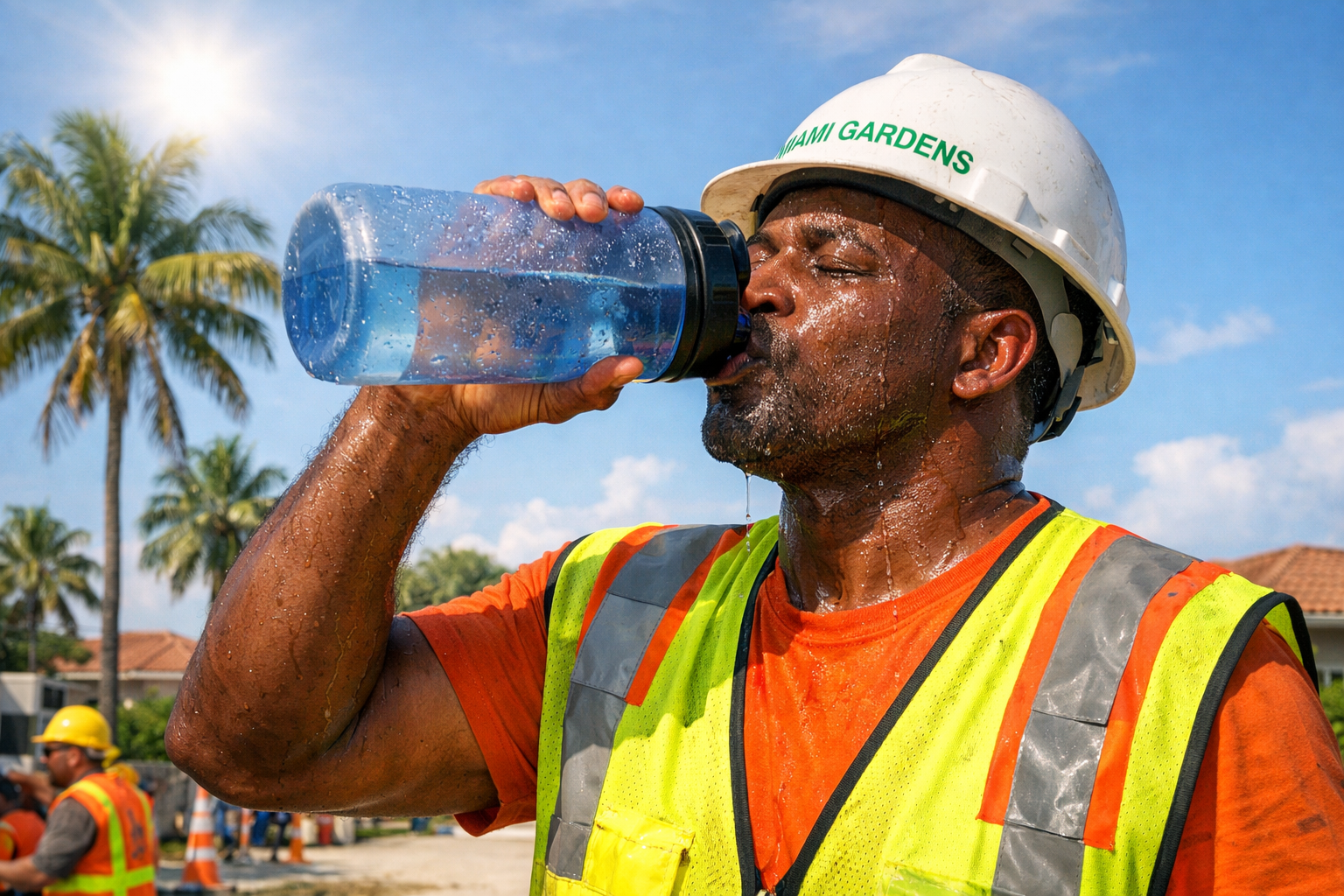
During active outdoor work in Miami Gardens heat, drink 8 ounces of water every 15-20 minutes. This consistent intake matches typical sweat rates and prevents the hydration deficit that occurs when workers wait until they feel thirsty. Thirst indicates that dehydration has already begun.
Set a timer or phone reminder if needed. Many outdoor workers become absorbed in tasks and forget to drink until symptoms appear. Scheduled hydration removes guesswork and ensures consistent intake.
For workers engaged in heavy labor (digging, lifting, carrying materials), increase intake to 8 ounces every 15 minutes. For moderate work in partial shade, 8 ounces every 20 minutes may be sufficient.
3. Monitor Urine Color Throughout the Day
Urine color provides immediate feedback on hydration status. Pale yellow (like lemonade) indicates proper hydration. Dark yellow or amber signals dehydration requiring immediate fluid intake. Clear urine suggests overhydration, which can dilute essential electrolytes.
Check urine color at each bathroom break. If color darkens during the workday, increase water intake immediately. Workers should urinate every 2-3 hours during properly hydrated work. Going longer without urination indicates insufficient fluid intake.
Decision rule: If urine is darker than pale yellow at any point during the workday, drink 16 ounces of water immediately and increase your regular intake by 25% for the remainder of the shift.
4. Replace Electrolytes After Two Hours
Water alone isn’t sufficient for extended outdoor work. Sweat contains sodium, potassium, magnesium, and chloride—minerals essential for muscle function, nerve signaling, and fluid balance. After 2 hours of continuous outdoor work, switch to electrolyte-containing beverages or add electrolyte tablets to water.
Sports drinks, coconut water, or specialized electrolyte solutions help maintain mineral balance. Look for products containing 100-200mg of sodium per serving. Avoid energy drinks, which contain excessive sugar and stimulants that can worsen dehydration.
For workers on low-sodium diets due to blood pressure concerns, consult with a healthcare provider about appropriate electrolyte replacement during outdoor work. Primary care physicians in Miami Gardens can provide personalized recommendations based on individual health conditions.
5. Keep Fluids Cold and Accessible
Cold beverages (35-50°F) are absorbed faster than room-temperature fluids and help lower core body temperature. Use insulated containers or coolers with ice to maintain beverage temperature throughout the workday. Workers drink more when fluids are cold and palatable.
Position water containers within easy reach. Workers are less likely to hydrate properly if they must walk significant distances or interrupt tasks to access fluids. Personal water bottles, coolers at job sites, and hydration packs all improve accessibility.
Practical tip: Freeze water bottles overnight and allow them to thaw during the workday, providing cold water for several hours. Alternatively, fill bottles halfway, freeze, then top off with cold water before leaving for work.
6. Eat Water-Rich Foods During Breaks
Hydration comes from food as well as beverages. Water-rich fruits and vegetables contribute to overall fluid intake while providing vitamins, minerals, and energy. Watermelon, oranges, cucumbers, celery, and strawberries contain 85-95% water.
Pack these foods for lunch and snack breaks. They provide hydration plus nutrients that support sustained energy and recovery. Salty snacks like pretzels or crackers help retain fluids by providing sodium lost through sweat.
Avoid heavy, greasy foods during work breaks. These require more blood flow for digestion, reducing blood available for cooling and increasing heat stress.
7. Adjust Intake for Heat Index
Miami Gardens heat index regularly exceeds 100°F during summer months. When the heat index reaches 103-115°F (extreme caution range), increase fluid intake by 50%. When it exceeds 115°F (danger range), consider whether outdoor work should continue and double normal hydration protocols if work proceeds.
Check the National Weather Service heat index forecast each morning. Plan hydration accordingly and communicate with supervisors about additional break needs on extreme heat days.
Edge case: Workers taking certain medications (diuretics, blood pressure medications, antihistamines) may have altered hydration needs. Discuss outdoor work hydration strategies with healthcare providers when taking prescription medications.
8. Take Strategic Shade Breaks
Resting in shade every hour for 5-10 minutes reduces core body temperature and provides opportunity for rehydration. During breaks, drink 8-16 ounces of fluid and allow the body to cool before returning to work.
If natural shade isn’t available, create it with canopies, umbrellas, or portable shelters. Even brief periods out of direct sunlight significantly reduce heat stress and allow the body’s cooling mechanisms to catch up.
Remove heavy protective equipment during breaks when possible to improve heat dissipation. Wet towels on the neck and head provide additional cooling.
9. Recognize Early Dehydration Symptoms
Early recognition prevents progression to serious heat illness. Warning signs include:
- Headache (often the first symptom)
- Dizziness or lightheadedness
- Reduced sweating despite continued heat exposure
- Muscle cramps in legs, arms, or abdomen
- Fatigue beyond normal work tiredness
- Nausea
- Rapid heartbeat
- Dry mouth and lips
If any symptoms appear, stop work immediately, move to shade, and drink 16 ounces of water or electrolyte beverage. If symptoms don’t improve within 15-20 minutes, seek medical attention.
Critical warning: Confusion, slurred speech, loss of consciousness, or cessation of sweating indicate heat stroke—a medical emergency requiring immediate 911 call and emergency cooling measures.
10. Avoid Alcohol the Night Before Work
Alcohol causes dehydration that persists into the following day. A night of drinking reduces the body’s fluid reserves before outdoor work even begins. Workers who consume alcohol the evening before a shift should drink extra water that night and the following morning to compensate.
Complete alcohol avoidance 24 hours before outdoor work in extreme heat provides the safest approach. If consuming alcohol, follow the one-to-one rule: one glass of water for every alcoholic beverage.
11. Limit Caffeine Intake
While moderate caffeine (1-2 cups of coffee) doesn’t significantly impact hydration in habitual users, excessive caffeine consumption can increase fluid loss. Energy drinks containing 200-300mg of caffeine per serving create additional dehydration risk.
If consuming caffeinated beverages, drink an additional 8 ounces of water for each caffeinated drink. Better yet, switch to decaffeinated options after the morning coffee.
12. Use Hydration Apps and Reminders
Smartphone apps track fluid intake and send reminders at scheduled intervals. Apps like WaterMinder, Hydro Coach, or MyWater allow workers to log drinks and monitor daily totals against personalized goals.
Set hourly reminders if apps aren’t practical during work. Simple phone alarms or smartwatch notifications prompt regular drinking even during focused tasks.
13. Dress for Heat and Hydration
Light-colored, loose-fitting clothing reflects sunlight and allows air circulation, reducing sweat loss. Moisture-wicking fabrics pull sweat away from skin, improving evaporative cooling efficiency.
Wide-brimmed hats provide shade for face and neck, reducing direct sun exposure. Cooling vests or bandanas soaked in cold water provide additional temperature regulation.
Balance safety and cooling: Some jobs require specific protective equipment that increases heat stress. Work with supervisors to identify the lightest appropriate protective gear and schedule additional hydration breaks when heavy equipment is required.
14. Create a Buddy System
Workers should monitor each other for dehydration symptoms. Heat exhaustion and heat stroke can impair judgment, making self-assessment unreliable. A coworker may notice confusion, stumbling, or reduced sweating before the affected worker recognizes the problem.
Check in with coworkers hourly. Ask if they’ve been drinking water and watch for behavioral changes. This mutual accountability improves safety for entire work crews.
15. Consider Medical-Grade IV Hydration Therapy
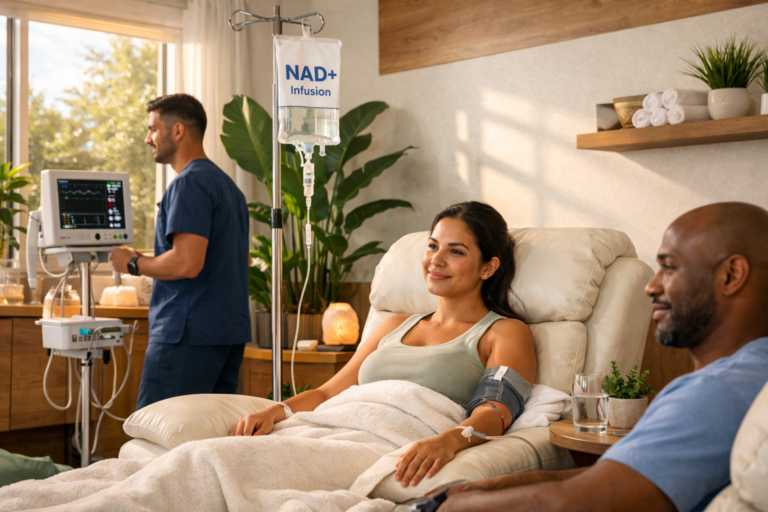
When oral hydration isn’t sufficient—after extended heat exposure, during illness, or following dehydration episodes—IV therapy in Miami Gardens provides rapid, complete rehydration. Medical-grade IV fluids deliver water, electrolytes, and vitamins directly into the bloodstream, bypassing the digestive system for immediate absorption.
Myers’ Cocktail IV therapy combines hydration with B vitamins, vitamin C, magnesium, and calcium—nutrients that support energy production and muscle function. This treatment helps outdoor workers recover from dehydration and prepare for demanding work weeks.
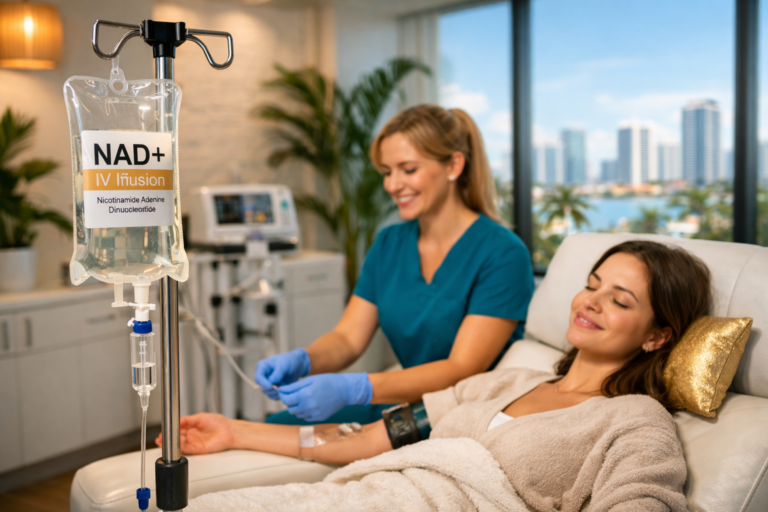
Immunity Boost IV therapy provides hydration plus immune-supporting nutrients, particularly valuable during flu season when outdoor workers face both heat stress and infection risk. For workers experiencing persistent fatigue despite proper hydration, NAD+ IV therapy supports cellular energy production and recovery.
All IV therapy at All In One Care Solutions is physician-supervised, ensuring safe administration tailored to individual health needs. Same-day appointments accommodate workers’ schedules, and bilingual staff provide care in English and Spanish.
16. Schedule Annual Medical Exams
Underlying health conditions affect hydration needs and heat tolerance. High blood pressure, diabetes, kidney disease, and heart conditions all influence how the body manages fluids and responds to heat stress. Comprehensive medical exams in Miami Gardens identify health issues that require modified hydration protocols.
Annual exams also provide opportunity to discuss occupation-specific health concerns with healthcare providers. Outdoor workers should inform doctors about their work environment to receive appropriate preventive care recommendations.
Blood pressure monitoring is particularly important, as some blood pressure medications increase dehydration risk. Healthcare providers can adjust medications or provide specific hydration guidance for workers taking these prescriptions.
17. Adjust for Individual Factors
Hydration needs vary based on body size, fitness level, acclimatization to heat, and individual sweat rates. A 200-pound worker loses more fluid than a 150-pound worker performing the same task. Workers new to outdoor labor in Miami Gardens heat require 1-2 weeks to acclimatize, during which hydration needs are higher.
Calculate baseline needs using body weight: aim for half your body weight in ounces as a daily minimum, then add 16-32 ounces for each hour of outdoor work. A 180-pound worker needs 90 ounces baseline plus 64-128 ounces for a 4-hour outdoor shift—154-218 ounces total (1.2-1.7 gallons).
Older workers (over 50) may have reduced thirst sensation and require more deliberate hydration scheduling. Younger workers engaged in vigorous labor may need the upper end of fluid intake recommendations.
18. Plan for Emergency Situations
Despite best efforts, dehydration emergencies can occur. Every work crew should have a heat illness action plan including:
- Designated cool-down area with shade and fans
- Emergency contact numbers readily available
- Ice or cold water for emergency cooling
- Transportation plan for medical facility access
- Training for all workers on heat illness recognition and first aid
Know the location of the nearest emergency care facility. All In One Care Solutions Medical Center at 16191 NW 57 Ave provides same-day appointments for heat-related concerns and can assess workers experiencing persistent symptoms after heat exposure.
What’s Included in a Comprehensive Hydration Strategy
A complete approach to hydration for Miami Gardens outdoor workers includes:
- Pre-shift hydration protocol starting 2 hours before work
- Scheduled fluid intake every 15-20 minutes during work
- Electrolyte replacement after 2 hours of outdoor labor
- Regular monitoring of urine color and dehydration symptoms
- Strategic breaks in shade every hour
- Appropriate clothing for heat management
- Water-rich foods during meal and snack breaks
- Buddy system for mutual symptom monitoring
- Medical-grade IV therapy when oral hydration proves insufficient
- Annual health screenings to identify conditions affecting hydration needs
- Emergency action plan for heat illness situations
- Ongoing education about heat safety and hydration science
How It Works: Implementing Daily Hydration Protocols
Step 1: Morning Preparation Wake up and drink 16 ounces of water immediately. Two hours before work begins, drink another 16-20 ounces. Eat a balanced breakfast including water-rich fruits. Check the day’s heat index forecast and plan hydration accordingly.
Step 2: Pre-Work Setup Fill insulated water containers with ice and cold water. Pack electrolyte drinks or tablets. Prepare water-rich snacks for breaks. Set phone reminders for 15-minute hydration intervals.
Step 3: First Hour Protocol Begin work well-hydrated. Drink 8 ounces at the 15-minute mark, again at 30 minutes, and again at 45 minutes. Take first shade break at 60 minutes, drinking 8-16 ounces while resting.
Step 4: Ongoing Maintenance Continue 15-20 minute drinking schedule throughout the shift. Switch to electrolyte beverages after 2 hours. Check urine color at each bathroom break. Monitor yourself and coworkers for early dehydration symptoms.
Step 5: Break Optimization Use hourly breaks for rehydration, cooling, and symptom assessment. Consume water-rich snacks. Remove heavy equipment when possible. Rest in shade with cooling measures (wet towels, fans).
Step 6: Post-Work Recovery Continue drinking water after work ends. The body remains in fluid deficit for several hours after heat exposure. Drink 16-24 ounces within the first hour after finishing work, then maintain regular intake through the evening.
Step 7: Weekly Assessment Review the week’s hydration practices. Did symptoms occur? Were protocols followed consistently? Adjust strategies based on experience. Schedule IV therapy sessions if persistent fatigue or dehydration symptoms occurred despite oral hydration efforts.
When Oral Hydration Isn’t Enough
Some situations exceed what oral hydration can address. Workers experiencing severe dehydration, persistent symptoms despite drinking water, or those recovering from heat exhaustion benefit from medical-grade hydration support.
IV hydration therapy delivers 500-1000ml of fluid directly into the bloodstream in 30-45 minutes. This bypasses the digestive system, which can be impaired during dehydration, ensuring complete absorption. Added electrolytes, vitamins, and minerals support rapid recovery and prepare the body for continued outdoor work.
IV therapy benefits extend beyond emergency rehydration. Preventive IV sessions before particularly demanding work weeks or during extreme heat periods help outdoor workers maintain optimal hydration status and performance.
Workers can also benefit from B12 injections to support energy production, particularly during periods of high physical demand. These quick treatments complement hydration strategies and support overall wellness for physically demanding occupations.
Hydration Comparison: Beverage Options for Outdoor Workers
| Beverage Type | Hydration Effectiveness | Electrolyte Content | Best Used When | Considerations |
|---|---|---|---|---|
| Water | Excellent | None | First 2 hours of work, throughout day | Gold standard; add electrolytes for extended work |
| Sports Drinks | Excellent | Moderate (sodium, potassium) | After 2 hours outdoor work | Choose low-sugar options; 100-200mg sodium per serving |
| Coconut Water | Very Good | Moderate (high potassium) | Recovery, post-work | Natural option; lower sodium than sports drinks |
| Electrolyte Tablets | Excellent | High (customizable) | Extended outdoor work | Convenient; allows water flavor customization |
| Fruit Juice | Moderate | Low | Not recommended during work | High sugar; can cause energy crash |
| Energy Drinks | Poor | Variable | Avoid during outdoor work | Excessive caffeine increases dehydration risk |
| Soda | Poor | None | Avoid during outdoor work | Sugar and caffeine worsen dehydration |
| IV Hydration | Superior | Medical-grade | Severe dehydration, prevention | Physician-supervised; rapid complete absorption |
Common Hydration Mistakes Miami Gardens Workers Make
Waiting until thirsty to drink: Thirst indicates dehydration has already begun. Scheduled drinking prevents deficit from developing.
Drinking only during breaks: Waiting 2-3 hours between hydration allows significant fluid loss. Continuous intake throughout work maintains balance.
Relying on coffee or energy drinks: Caffeine increases fluid loss and doesn’t count toward hydration goals. These beverages should be limited, not relied upon.
Ignoring early symptoms: Headaches and fatigue are often dismissed as normal work tiredness. These early warnings require immediate hydration response.
Drinking too much too fast: The body absorbs 24-32 ounces per hour maximum. Drinking a quart all at once provides no advantage over steady intake.
Forgetting electrolytes: Water alone depletes sodium levels during extended sweating, potentially causing hyponatremia (dangerous low sodium).
Not adjusting for conditions: The same hydration protocol doesn’t work for all weather conditions. Extreme heat requires increased intake.
Skipping pre-hydration: Starting work already behind on fluids makes catching up nearly impossible during the workday.
Frequently Asked Questions
How much water should outdoor workers in Miami Gardens drink per day? Outdoor workers in Miami Gardens should drink 1-2 gallons of total fluids daily, depending on work intensity, body size, and heat conditions. This includes 8 ounces every 15-20 minutes during active work, plus 16-20 ounces before the shift and continued hydration after work ends. Larger workers and those engaged in heavy labor need the higher end of this range.
What are the first signs of dehydration in outdoor workers? The earliest dehydration signs include headache, dizziness, reduced sweating, dark yellow urine, dry mouth, muscle cramps, and fatigue beyond normal work tiredness. Workers experiencing any of these symptoms should stop work immediately, move to shade, and drink 16 ounces of water or electrolyte beverage. If symptoms persist after 15-20 minutes, seek medical attention.
When should outdoor workers use electrolyte drinks instead of water? Switch to electrolyte-containing beverages after 2 hours of continuous outdoor work in Miami Gardens heat. Sweat contains sodium, potassium, and other minerals that water alone cannot replace. Sports drinks, coconut water, or electrolyte tablets should be used for extended work periods to maintain proper mineral balance and prevent hyponatremia.
Can you drink too much water while working outdoors? Yes, excessive water intake without electrolyte replacement can cause hyponatremia (low blood sodium), a dangerous condition causing nausea, confusion, and in severe cases, seizures. This occurs when workers drink large amounts of plain water during extended sweating. Use electrolyte beverages after 2 hours of work and don’t exceed 1.5 liters per hour of total fluid intake.
How does IV therapy help outdoor workers with hydration? IV therapy delivers fluids, electrolytes, and nutrients directly into the bloodstream for immediate, complete absorption. This bypasses the digestive system, which can be impaired during dehydration. Medical-grade IV hydration helps outdoor workers recover from severe dehydration, prepare for demanding work periods, and maintain optimal performance when oral hydration proves insufficient.
What should I do if a coworker shows signs of heat stroke? Heat stroke is a medical emergency requiring immediate action. Call 911 immediately. Move the person to shade, remove excess clothing, and begin cooling with cold water, ice packs, or wet towels on neck, armpits, and groin. Do not give fluids if the person is confused or unconscious. Stay with them until emergency responders arrive.
How long does it take to rehydrate after outdoor work in Miami Gardens heat? Complete rehydration after significant fluid loss takes 4-6 hours with consistent fluid intake. Drink 16-24 ounces within the first hour after work, then continue regular intake through the evening. IV therapy can achieve full rehydration in 30-45 minutes for workers needing rapid recovery before the next shift.
Do certain medications affect hydration needs for outdoor workers? Yes, diuretics (water pills), blood pressure medications, antihistamines, and some antidepressants can increase dehydration risk or alter fluid balance. Workers taking prescription medications should discuss outdoor work hydration strategies with their healthcare provider to receive personalized recommendations based on their specific medications and health conditions.
Should outdoor workers drink cold or room temperature water? Cold water (35-50°F) is absorbed faster than room-temperature water and helps lower core body temperature. Workers also tend to drink more when beverages are cold and palatable. Use insulated containers or coolers with ice to maintain cold temperatures throughout the workday for optimal hydration and cooling benefit.
How can outdoor workers tell if they’re properly hydrated? Proper hydration is indicated by pale yellow urine (like lemonade), urinating every 2-3 hours, absence of headache or dizziness, consistent energy levels, and normal sweating during heat exposure. Workers should check urine color at each bathroom break and increase fluid intake immediately if color darkens to amber or dark yellow.
What foods help with hydration for outdoor workers? Water-rich fruits and vegetables contribute to overall hydration while providing nutrients and energy. Watermelon (92% water), cucumbers (95% water), oranges (87% water), strawberries (91% water), and celery (95% water) are excellent choices for work breaks. Salty snacks like pretzels help retain fluids by replacing sodium lost through sweat.
Is it safe to work outdoors when the heat index exceeds 105°F? When the heat index reaches 103-115°F (extreme caution range), outdoor work requires increased hydration, more frequent breaks, and close symptom monitoring. Above 115°F (danger range), outdoor work should be limited to essential tasks only, with doubled hydration protocols and breaks every 30 minutes. Employers should consider rescheduling non-essential outdoor work during extreme heat warnings.
Conclusion
Working outdoors in Miami Gardens demands exceptional attention to hydration. The combination of extreme heat, high humidity, and intense physical labor creates conditions where proper fluid intake becomes a critical safety issue, not merely a comfort consideration. These 18 hydration tips for Miami Gardens residents who work outdoors provide a comprehensive framework for preventing dehydration, maintaining performance, and protecting long-term health.
Successful hydration requires planning, consistency, and awareness. Pre-shift preparation, scheduled intake every 15-20 minutes, electrolyte replacement after 2 hours, regular symptom monitoring, and strategic breaks form the foundation of effective hydration protocols. When oral hydration proves insufficient, medical-grade IV therapy provides rapid, complete rehydration with physician supervision.
Outdoor workers should also prioritize annual medical exams to identify health conditions affecting hydration needs and heat tolerance. Regular health monitoring, combined with daily hydration best practices, ensures outdoor workers can perform safely and effectively throughout Miami Gardens’ demanding climate.
The investment in proper hydration pays dividends in sustained energy, reduced injury risk, improved cognitive function, and prevention of serious heat-related illness. Workers who implement these evidence-based strategies protect their immediate safety and long-term health while maintaining the productivity their livelihoods depend upon.
Book your session at All In One Care Solutions Medical Center — same-day appointments available.
📍 16191 NW 57 Ave, Miami Gardens, FL 33014
📞 (786) 446-9414
🌐 allinonecaresolutions.com
Hablamos Español — Bilingual care available.