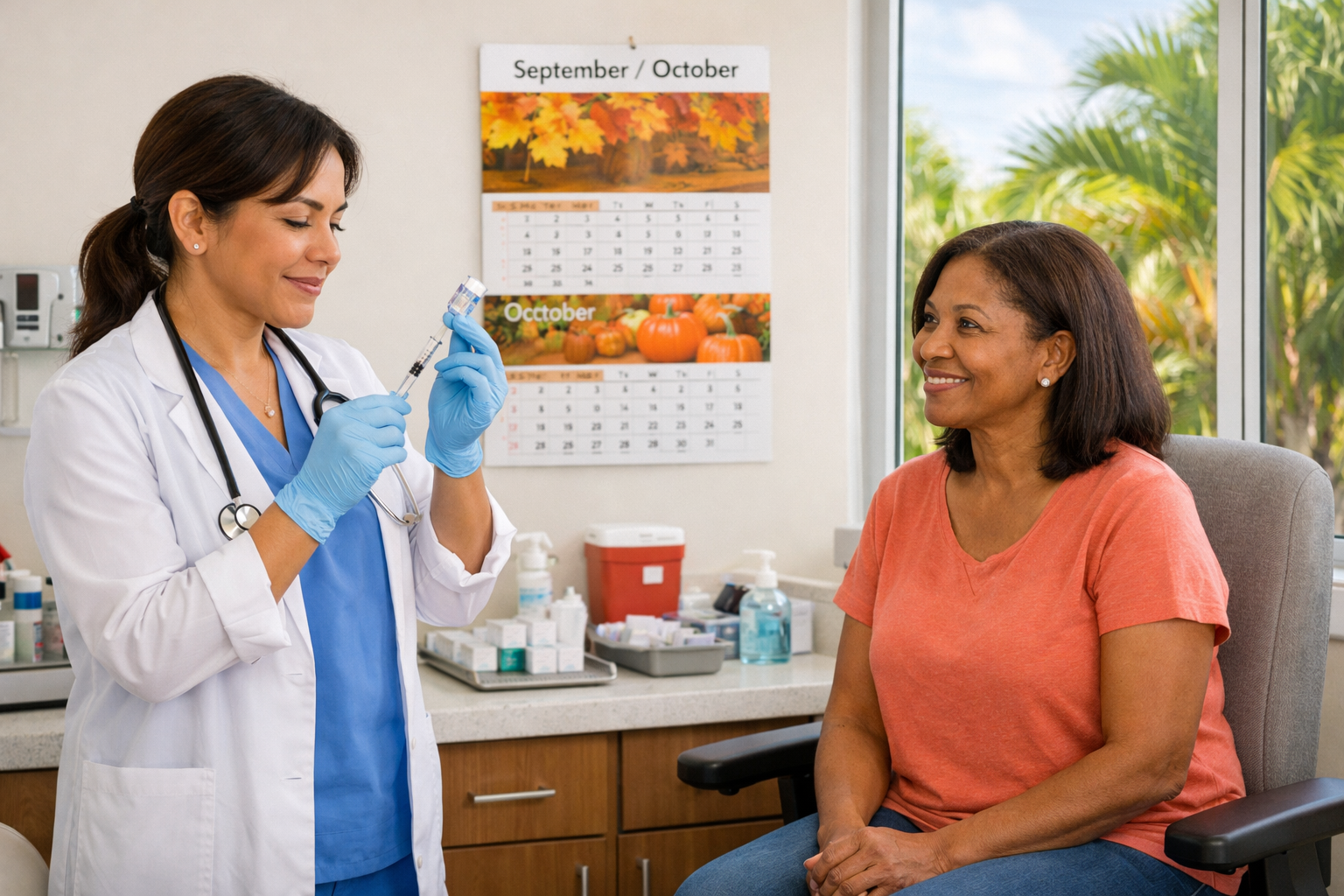
Best Time of Year to Get a Flu Shot in Miami Gardens
Last updated: March 7, 2026
Getting your flu shot at the right time can make the difference between staying healthy through flu season and spending weeks recovering from influenza. In Miami Gardens, the best time of year to get a flu shot is September through October, when vaccines become available and before flu activity peaks in our subtropical climate. This timing allows your body to build full immunity before the virus circulates widely through Miami-Dade County, typically from November through March.
Key Takeaways
- Optimal timing: September through October provides maximum protection before Miami Gardens flu season peaks
- Immunity timeline: Full protection develops approximately two weeks after vaccination
- Local flu patterns: South Florida experiences flu activity from November through March, with peaks in December and January
- Early vaccination benefits: Getting vaccinated in early fall ensures immunity throughout the entire flu season
- Age considerations: Children, seniors, and immunocompromised individuals should prioritize early September vaccination
- Vaccine availability: Flu season preparation services begin in Miami Gardens clinics by early September
- Combination approach: Pairing flu shots with immune boost IV therapy can enhance overall wellness during flu season
- Never too late: Even December or January vaccination provides valuable protection for the remainder of flu season
Quick Answer
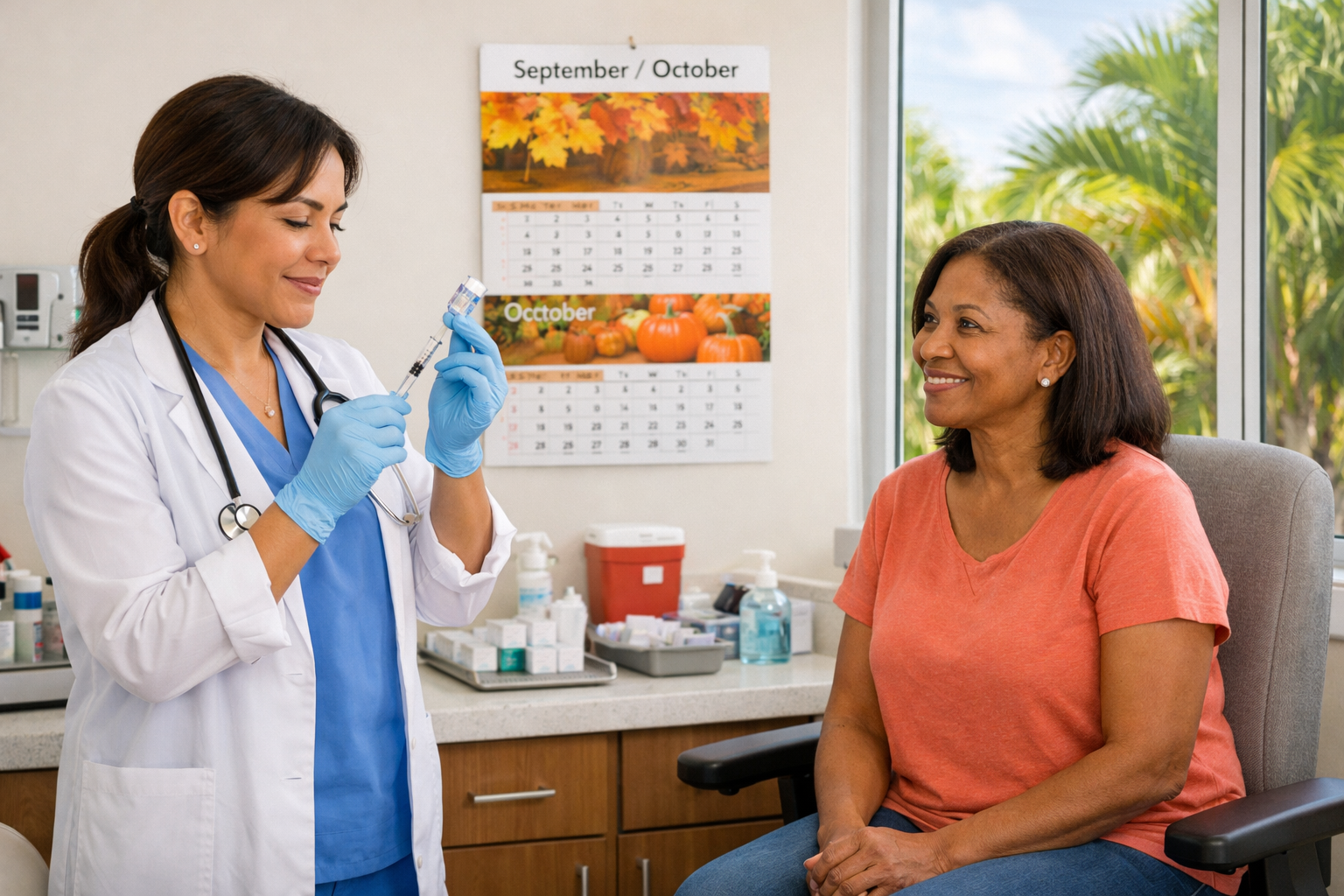
The best time to get a flu shot in Miami Gardens is September through October. This window allows your immune system the full two weeks needed to develop protective antibodies before flu activity increases in South Florida, typically starting in November. Early fall vaccination ensures you’re protected throughout the entire flu season, which can extend through March in Miami-Dade County’s subtropical climate.
Why September Through October Is Optimal for Miami Gardens Residents
September through October represents the ideal vaccination window for Miami Gardens residents because it balances vaccine availability with local flu season patterns. During these months, fresh vaccine supplies arrive at medical facilities, and your body has sufficient time to mount a complete immune response before community flu transmission increases.
Miami Gardens experiences unique flu season timing compared to northern states. The subtropical climate creates conditions where influenza can circulate earlier and persist longer. Vaccination in September or October positions residents ahead of the typical November onset, when increased indoor gatherings during the holiday season facilitate virus spread.
Choose September vaccination if you:
- Are over 65 years old or have chronic health conditions
- Work in healthcare, education, or customer-facing roles
- Care for infants too young to receive flu vaccines
- Travel frequently during fall and winter months
- Want maximum protection duration through March
October vaccination works well when:
- You’re a healthy adult without high-risk factors
- You prefer waiting for the most current vaccine formulation
- September scheduling conflicts prevented earlier vaccination
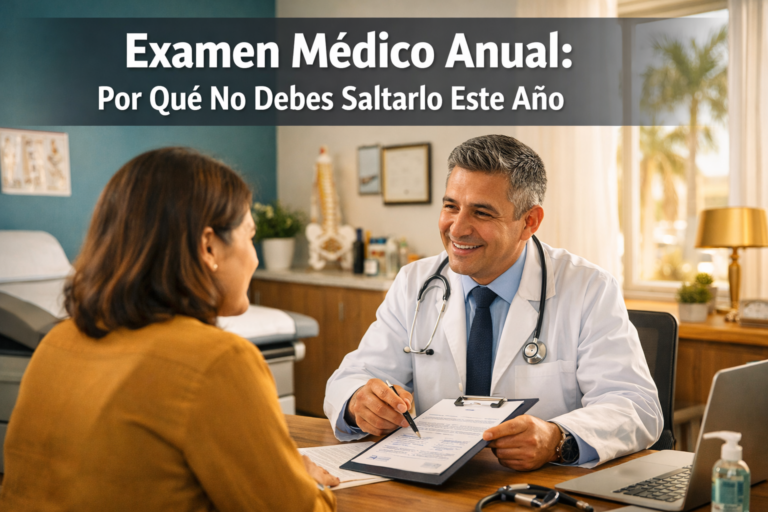
- You’re combining the visit with an annual medical exam
Common mistake: Waiting until you hear about flu cases in the community. By that point, the virus is already circulating, and you’ll need two weeks to develop immunity—leaving you vulnerable during that critical period.
Understanding Miami Gardens Flu Season Patterns
Miami Gardens flu season typically runs from November through March, with peak activity occurring in December and January. This pattern differs from national averages because South Florida’s subtropical climate and international travel connections create unique influenza transmission dynamics.
Local flu activity follows this general timeline:
- September-October: Minimal flu activity; optimal vaccination period
- November: Gradual increase in cases as holiday travel begins
- December-January: Peak flu season with highest transmission rates
- February-March: Declining but still significant flu activity
- April-August: Low flu circulation in Miami-Dade County
Miami Gardens-specific factors affecting flu season:
- International travel hub: Miami International Airport proximity increases early-season virus introduction
- Subtropical climate: Year-round tourism and less dramatic seasonal temperature changes
- Dense population: Miami-Dade County’s population density facilitates community spread
- Multigenerational households: Common living arrangements increase transmission risk
- Snowbird season: Winter visitors from northern states can introduce different flu strains
Edge case: Occasionally, flu activity begins earlier than expected (late October) or extends longer (through April). Early vaccination in September protects against these unpredictable variations better than waiting until traditional “flu season” arrives.
The Primary Care Services in Miami Gardens team monitors local flu surveillance data and can provide current activity updates during your vaccination appointment.
How Long Does Flu Shot Protection Last?
Flu shot protection lasts approximately six to eight months for most adults, with immunity peaking around two weeks after vaccination and gradually declining over time. This duration makes September-October vaccination ideal for Miami Gardens residents, as protection remains strong through the entire November-March flu season.
Immunity development timeline:
- Days 1-7: Initial immune response begins; partial protection developing
- Days 8-14: Antibody production accelerates; approaching full protection
- Week 2 onward: Maximum immunity achieved and maintained
- Months 3-6: Strong protection continues against vaccine-matched strains
- Months 6-8: Gradual decline in antibody levels; still protective but less robust
Factors affecting protection duration:
- Age: Older adults (65+) may experience faster immunity decline
- Health status: Chronic conditions can affect vaccine response
- Vaccine match: Better protection when vaccine matches circulating strains
- Previous exposure: Prior flu infections or vaccinations can influence response
- Immune system support: Nutrition, sleep, and stress management impact immunity
Why timing matters for duration: If you get vaccinated in August (too early), your immunity may wane before flu season ends in March. If you wait until December, you’re unprotected during November-December when cases are rising. September-October vaccination provides optimal coverage for the entire season.
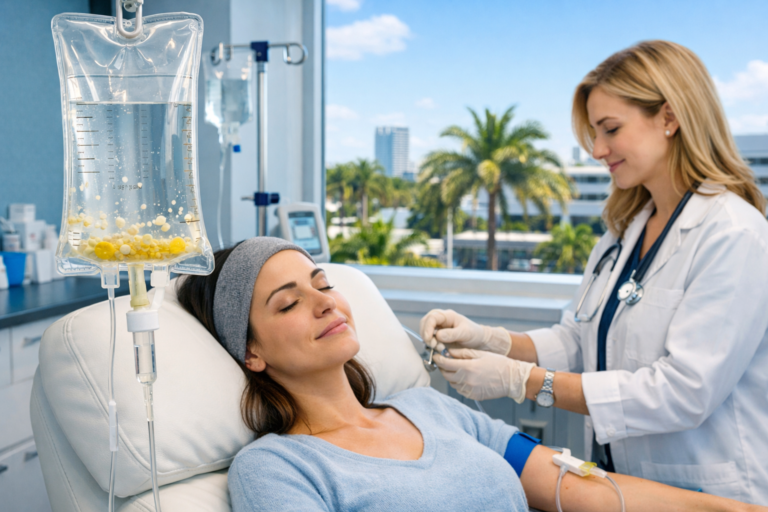
Immune system optimization: Many Miami Gardens residents combine flu vaccination with Myers’ Cocktail IV therapy or NAD+ therapy to support overall immune function during flu season. While these don’t replace vaccination, they can enhance general wellness and recovery capacity.
What Happens If You Get Vaccinated Too Early or Too Late?
Getting vaccinated too early (July-August) risks waning immunity before flu season ends, while late vaccination (December-January) leaves you vulnerable during peak transmission months. However, late vaccination still provides valuable protection and is always better than skipping the flu shot entirely.
Too early vaccination concerns (July-August):
- Immunity may decline by February-March when flu is still circulating
- Particularly problematic for older adults and immunocompromised individuals
- May require re-vaccination later in the season (consult your provider)
- Not recommended unless traveling to Southern Hemisphere during their flu season
Late vaccination realities (November-February):
- Still provides protection for remaining flu season months
- Takes two weeks to develop full immunity (you’re vulnerable during this period)
- Better than no vaccination, especially if flu activity is still moderate
- Can prevent infection during late-season surges in February-March
December vaccination scenario: If you get vaccinated in early December, you’ll have protection by mid-December through March—missing only the November-early December period. This still covers the peak January-February months in Miami Gardens.
January-February vaccination: Even this late, vaccination protects you during the tail end of flu season and reduces severity if you do contract influenza. Studies show late-season vaccination reduces hospitalization risk by approximately 40% compared to no vaccination.
Choose late vaccination when:
- You missed the September-October window
- Flu is still actively circulating in your community
- You’re in a high-risk group (pregnancy, chronic illness, 65+)
- You haven’t been vaccinated yet this season
Decision rule: If it’s before March and you haven’t received this season’s flu shot, get vaccinated. The protection you gain outweighs the missed early-season coverage.
Residents can schedule same-day doctor appointments in Miami Gardens for convenient flu vaccination regardless of the current month.
Who Should Get Vaccinated Earlier in the Season?
High-risk individuals should prioritize September vaccination to ensure maximum protection before any flu activity begins. This includes seniors, young children, pregnant women, healthcare workers, and anyone with chronic medical conditions that increase flu complication risks.
Priority groups for September vaccination:
Seniors (65 and older)
- Higher risk of flu-related hospitalization and death
- Immune response may be slower and less robust
- May benefit from high-dose or adjuvanted flu vaccines
- Should combine with comprehensive medical exams for overall health monitoring
Healthcare and frontline workers
- High exposure risk from patients and customers
- Responsibility to protect vulnerable populations
- Need immunity before seasonal patient volume increases
- Includes educators, childcare workers, and service industry professionals
Pregnant women
- Flu increases risk of pregnancy complications
- Vaccination protects both mother and newborn
- Antibodies transfer to baby, providing early protection
- Safe during any trimester; September-October ideal for fall/winter pregnancies
Chronic condition patients
- Diabetes, heart disease, asthma, and lung conditions
- Immunocompromised individuals (HIV, cancer treatment, transplant recipients)
- Obesity (BMI over 40) increases complication risk
- Can coordinate with diabetes care or other specialty appointments
Parents of infants under 6 months
- Infants too young for flu vaccination
- Parental vaccination creates protective “cocoon” around baby
- Reduces household transmission risk
- Especially important for newborns during peak flu months
Caregivers and multigenerational households
- Those caring for elderly or immunocompromised family members
- Households with multiple generations under one roof
- Reduces risk of introducing flu to vulnerable household members
Common mistake: Assuming healthy adults don’t need early vaccination. While they have lower complication risk, they can still spread flu to vulnerable individuals and experience significant illness requiring time off work.
Combining Flu Shots with Other Wellness Services
Many Miami Gardens residents optimize their preventive health by combining flu vaccination with complementary wellness services during the same visit. This approach maximizes convenience while supporting comprehensive immune health throughout flu season.
Effective service combinations:
Flu shot + Annual physical exam
- Efficient use of appointment time
- Comprehensive health baseline before flu season
- Opportunity to discuss other preventive care needs
- Available through family practice services
Flu shot + Immune boost IV therapy
- Vaccination provides specific flu protection
- Immune boost IV therapy supports general immune function
- High-dose vitamin C, zinc, and B vitamins enhance overall wellness
- Popular combination during September-October in Miami Gardens
Flu shot + B12 injections
- B12 shots support energy levels during seasonal transitions
- Helps combat fatigue that can compromise immune function
- Convenient single-visit solution for busy professionals
- Often combined with seasonal wellness packages
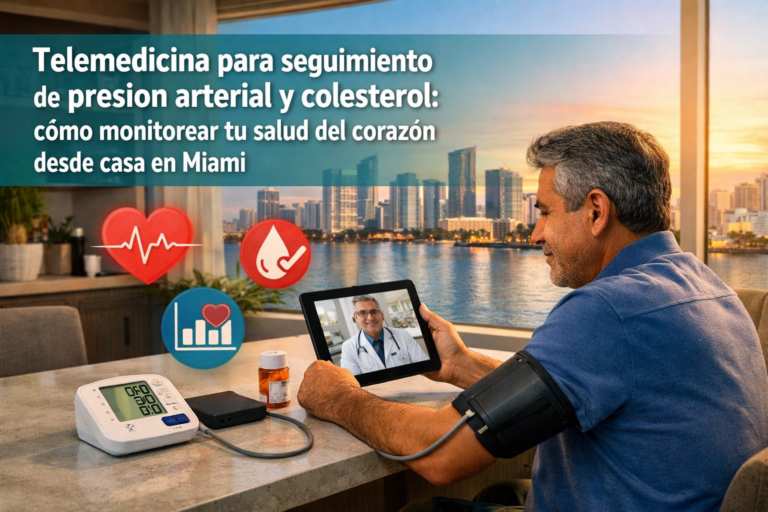
Flu shot + Blood pressure monitoring
- Important for patients with cardiovascular conditions
- Blood pressure care coordination with flu prevention
- Chronic disease management alongside preventive services
- Reduces need for multiple appointments
Flu shot + Lab work
- Annual screening labs can be drawn during vaccination visit
- Medical laboratory services provide fast results
- Comprehensive health assessment before flu season
- Identifies any underlying issues that might affect flu risk
Timing consideration: Schedule IV therapy and flu shots on the same day without concerns. The injection site for flu vaccine (typically upper arm) doesn’t interfere with IV placement (typically forearm), and there are no contraindications to receiving both services simultaneously.
Edge case: If you’re starting a new weight loss program with semaglutide or tirzepatide, coordinate flu vaccination timing with your provider. While there’s no contraindication, some patients prefer spacing new interventions to monitor individual responses.
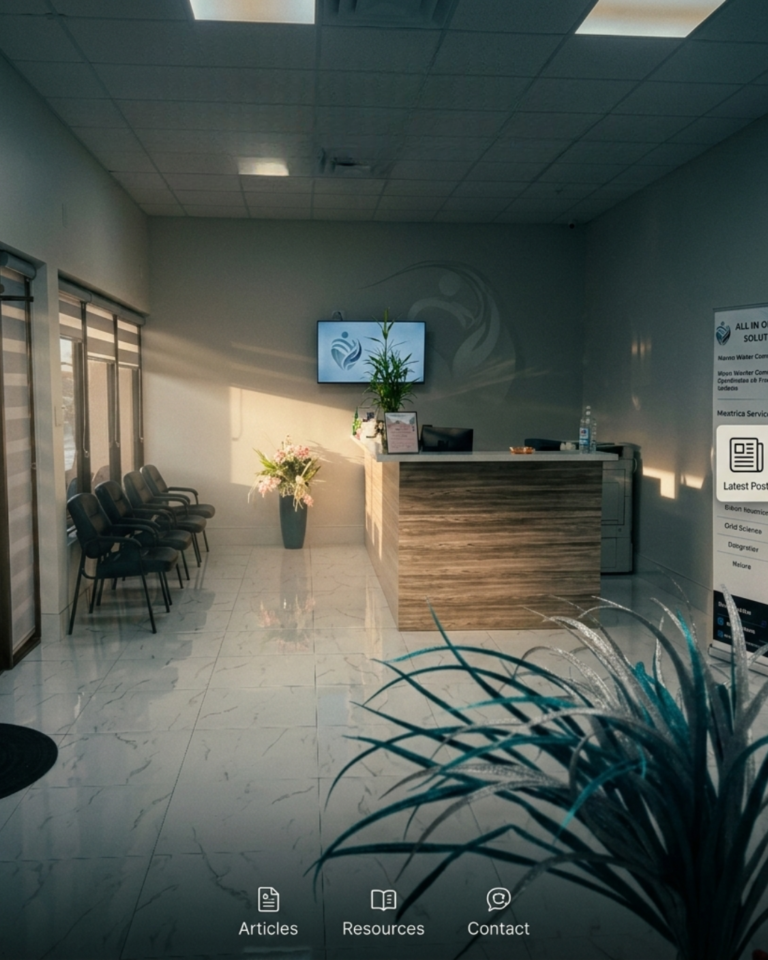
What’s Included in Flu Vaccination at All In One Care Solutions
Professional flu vaccination services in Miami Gardens include comprehensive medical assessment, vaccine administration by licensed providers, and personalized guidance for optimal immune protection throughout the season.
Complete flu shot service includes:
- Pre-vaccination health screening to ensure vaccine safety and appropriateness for your current health status
- Medical history review identifying any contraindications or special considerations for vaccine selection
- Vaccine selection guidance including standard-dose, high-dose (for seniors), or adjuvanted formulations based on age and health status
- Professional administration by licensed medical providers following CDC guidelines and sterile technique protocols
- Post-vaccination monitoring with brief observation period to ensure no immediate adverse reactions occur
- Vaccination documentation including CDC immunization card updates and electronic health record entries for insurance and personal records
- Side effect management guidance with clear instructions on normal reactions versus concerning symptoms requiring follow-up
- Bilingual support with Spanish-speaking staff available to answer questions and provide culturally competent care
Additional wellness optimization:
- Immune health consultation discussing nutrition, sleep, stress management, and supplementation
- Coordination with existing primary care services for patients with chronic conditions
- Discussion of complementary IV therapy options for enhanced immune support
- Same-day appointment availability for convenient scheduling around work and family commitments
How It Works: Getting Your Flu Shot in Miami Gardens
The flu vaccination process at All In One Care Solutions is streamlined for efficiency while maintaining thorough medical oversight and patient education. Most appointments take 15-20 minutes from check-in to completion.
Step-by-step vaccination process:
Schedule your appointment by calling (786) 446-9414 or booking online through the clinic website. Same-day appointments are typically available during September-October, though scheduling ahead ensures your preferred time slot.
Complete pre-visit forms either online before arrival or upon check-in. Bring insurance information, photo ID, and your vaccination history card if you have one. Forms include medical history, current medications, and allergy information.
Health screening consultation with a licensed provider who reviews your medical history, current health status, and any concerns. This screening identifies the most appropriate vaccine formulation for your age and health profile.
Receive your vaccination administered in the upper arm muscle (deltoid) using proper sterile technique. The injection takes only seconds and causes minimal discomfort. Providers use techniques to minimize pain and anxiety.
Brief observation period of 10-15 minutes allows monitoring for any immediate reactions. This is standard precaution, though serious reactions are extremely rare. You’ll receive written guidance on normal side effects and when to seek follow-up care.
Documentation and scheduling includes updating your vaccination record, receiving a CDC immunization card entry, and scheduling any follow-up appointments if needed. Discuss timing for family members who also need vaccination.
Post-vaccination care involves normal activity resumption with minor precautions. Apply ice if injection site soreness develops, stay hydrated, and avoid intense arm exercise for 24 hours. Most people experience no side effects or only mild arm tenderness.
Convenience features:
- Walk-in availability for established patients during non-peak hours
- Telemedicine consultation option for pre-vaccination questions
- Family vaccination appointments with coordinated scheduling for multiple household members
- Extended hours during peak vaccination season to accommodate work schedules
Flu Shot Timing Comparison: Early vs. Optimal vs. Late
Understanding how vaccination timing affects protection helps Miami Gardens residents make informed decisions about scheduling their flu shots. This comparison illustrates the trade-offs between different vaccination windows.
| Vaccination Timing | Pros | Cons | Best For |
|---|---|---|---|
| Early (July-August) | First access to new vaccine; guaranteed availability before shortages | Immunity may wane before season ends (March); potentially reduced late-season protection | International travelers to Southern Hemisphere; extreme high-risk individuals |
| Optimal (September-October) | Maximum protection through entire flu season; immunity peaks before transmission increases; fresh vaccine supply | Requires advance planning; appointments may fill quickly in some locations | All age groups; healthcare workers; seniors; pregnant women; chronic condition patients |
| Good (November) | Still provides protection before peak season; covers December-March period well | Misses early-season cases; two-week vulnerability window during rising transmission | Healthy adults who missed optimal window; those with October scheduling conflicts |
| Late (December-February) | Better than no vaccination; protects during peak and late season; reduces severity if infected | Unprotected during early season; may contract flu before immunity develops | Anyone not yet vaccinated; those who forgot or delayed; new high-risk diagnoses |
| Very Late (March-April) | Minimal benefit for current season; may provide some late-season protection | Flu season largely over in Miami Gardens; limited protection window remaining | Generally not recommended unless traveling to areas with active flu or preparing for next season |
Key insight: While September-October is optimal, November vaccination still provides excellent protection for the majority of flu season. The most important decision is getting vaccinated rather than waiting for the “perfect” time.
Cost consideration: Most insurance plans cover flu shots with no copay as preventive care. Timing doesn’t affect coverage, so financial factors shouldn’t delay vaccination from optimal to late season.
Common Questions About Flu Shot Timing in Miami Gardens
When exactly should I schedule my flu shot appointment?
Schedule your flu shot for late September or early October for optimal protection in Miami Gardens. This timing ensures fresh vaccine availability, allows full immunity development by November when flu activity typically begins, and provides strong protection through March when our flu season typically ends. If you’re in a high-risk group, aim for the first week of September when vaccines arrive.
Can I get my flu shot too early?
Yes, getting vaccinated in July or early August can be too early for Miami Gardens residents. Immunity may decline by February or March when flu is still circulating in South Florida. Unless you’re traveling internationally or have specific medical reasons, wait until September for optimal season-long protection. The CDC recommends against routine vaccination before September for most people.
Is it too late to get a flu shot in December?
No, December flu vaccination still provides valuable protection for Miami Gardens residents. While you’ll miss early-season coverage, you’ll have immunity by late December through the peak January-February period and late-season March activity. December vaccination is definitely worthwhile and significantly better than remaining unvaccinated. Even January or February vaccination offers benefits for the remainder of flu season.
How long after getting the flu shot am I protected?
Full protection develops approximately two weeks after vaccination. Your immune system begins producing antibodies immediately, but maximum immunity takes 10-14 days to establish. During this two-week window, you’re not fully protected, which is why early fall vaccination before flu activity increases is so important. Plan accordingly if you have upcoming travel or events.
Do I need a flu shot every year?
Yes, annual flu vaccination is necessary because influenza viruses mutate rapidly and vaccine formulations are updated each year to match predicted circulating strains. Additionally, immunity from previous years’ vaccines wanes over time. Last year’s flu shot won’t protect you during the current season. September-October vaccination should become an annual routine for optimal protection.
Can I get the flu shot at the same time as other vaccines?
Yes, flu shots can be safely administered alongside most other vaccines, including COVID-19 boosters, pneumonia vaccines, and shingles vaccines. Providers typically use different arms for multiple injections to minimize localized soreness. Discuss your vaccination history during your appointment to coordinate any needed immunizations efficiently.
What if I had the flu last year—do I still need the shot?
Yes, previous flu infection doesn’t provide broad protection against this year’s circulating strains. Influenza viruses change constantly, and natural infection only creates immunity against the specific strain you contracted. Annual vaccination protects against multiple predicted strains and is recommended even for those who had confirmed flu in previous seasons.
Should my whole family get vaccinated at the same time?
Yes, coordinating family flu shots in September or October is ideal. Simultaneous household vaccination creates a “protective cocoon” where everyone develops immunity together, reducing the chance of one family member bringing flu home to others. Many Miami Gardens families schedule group appointments at family practice clinics for convenience.
How does Miami Gardens flu season differ from other parts of the country?
Miami Gardens experiences flu season from November through March, similar to most of the U.S., but our subtropical climate and international travel connections can introduce viruses earlier and extend activity later. Peak months are typically December-January, but we occasionally see significant activity in October or April. This variability makes September-October vaccination even more important for comprehensive protection.
Can I combine my flu shot with IV therapy for immune support?
Yes, many Miami Gardens residents combine flu vaccination with immune boost IV therapy during the same appointment. The flu shot provides specific protection against influenza viruses, while IV therapy with vitamin C, zinc, and B vitamins supports overall immune function. This combination approach addresses both targeted and general immune health. Discuss this option during your vaccination appointment.
What should I do if I develop flu symptoms despite getting vaccinated?
Contact your healthcare provider promptly if you develop flu-like symptoms (fever, cough, body aches, fatigue) despite vaccination. While flu shots are highly effective, they don’t provide 100% protection. Early antiviral treatment within 48 hours of symptom onset can significantly reduce illness severity and duration. Same-day appointments are available for urgent evaluation.
Are there different types of flu vaccines for different ages?
Yes, vaccine formulations vary by age and health status. Adults 65 and older should receive high-dose or adjuvanted flu vaccines that create stronger immune responses in aging immune systems. Children under 9 receiving their first flu vaccine need two doses spaced four weeks apart. Standard-dose vaccines work well for healthy adults 18-64. Your provider will recommend the appropriate formulation during your appointment.
Conclusion: Protect Yourself This Flu Season
The best time of year to get a flu shot in Miami Gardens is September through October, providing optimal protection throughout the November-March flu season that affects South Florida communities. Early fall vaccination ensures your immune system has adequate time to develop full protection before flu activity increases, while maintaining strong immunity through late-season circulation in March.
Take action now to protect yourself and your family:
- Schedule your flu shot appointment for September or early October
- Coordinate vaccination with annual medical exams or other preventive care
- Consider pairing flu vaccination with immune-supporting IV therapy for comprehensive wellness
- Don’t wait for flu activity to begin in your community—proactive vaccination provides the best protection
- Remember that late vaccination (November-January) is still beneficial if you miss the optimal window
Flu vaccination is a cornerstone of preventive health, protecting not only yourself but also vulnerable family members, coworkers, and community members who may be at higher risk for serious complications. The minor time investment of a vaccination appointment delivers months of protection during Miami Gardens’ flu season.
All In One Care Solutions provides physician-supervised flu vaccination services with convenient scheduling, bilingual support, and comprehensive wellness integration. Whether you’re seeking standalone flu shots or combining vaccination with other preventive services, experienced medical providers ensure safe, effective care tailored to your individual health needs.
Book your session at All In One Care Solutions Medical Center — same-day appointments available.
📍 16191 NW 57 Ave, Miami Gardens, FL 33014
📞 (786) 446-9414
🌐 allinonecaresolutions.com
Hablamos Español — Bilingual care available.