Finding the Perfect Primary Care Doctor: A Comprehensive Guide to Local Healthcare
Last updated: March 17, 2026
Quick Answer: Finding a great primary care doctor comes down to four things: verifying credentials, confirming insurance compatibility, assessing accessibility (location, hours, same-day appointments), and making sure the doctor’s communication style works for you. The right fit saves you time, money, and a lot of frustration down the road.
Key Takeaways
- A primary care doctor is your first point of contact for most health concerns and coordinates your overall care
- Insurance compatibility should be your first filter before anything else
- Location and appointment availability matter more than most people realize — a great doctor you can’t get to isn’t actually great for you
- Same-day or next-day appointment availability is a strong indicator of a well-run practice
- Clinics that offer multiple services under one roof (primary care, labs, wellness, aesthetics) can simplify your healthcare significantly
- Annual physicals are essential for catching problems early, even when you feel fine
- Patient reviews reveal things that credentials don’t — read them carefully
- Bilingual staff and services matter enormously if English isn’t your first language
Why Your Choice of Primary Care Doctor Actually Matters
Most people don’t think about their primary care doctor until they’re sick. That’s the wrong approach. Your primary care physician (PCP) is the person who knows your full health history, catches problems before they become serious, and coordinates everything from specialist referrals to prescription management.
Choosing the wrong one — or not having one at all — leads to fragmented care, missed diagnoses, and often higher costs over time. Choosing the right one means you have a medical home base that works for you consistently.
This guide walks you through exactly how to find that doctor, what to look for, and what red flags to avoid.
Quick Comparison: What to Evaluate When Choosing a Primary Care Provider
| Factor | What to Look For | Red Flag |
|---|---|---|
| Credentials | Board-certified MD or DO | No verifiable license or board certification |
| Insurance | Accepts your specific plan | “We accept most insurance” without specifics |
| Location | Within 15–20 min of home or work | Only one location with limited parking |
| Availability | Same-day or next-day appointments | 3+ week wait for routine visits |
| Services offered | Primary care + labs + wellness | Referral required for every basic test |
| Languages | Matches your preferred language | No bilingual staff in a multilingual area |
| Patient reviews | 4+ stars, consistent praise for staff | Repeated complaints about wait times or dismissiveness |
| Telehealth | Available for follow-ups and minor issues | In-person only with no flexibility |
What Does a Primary Care Doctor Actually Do?
A primary care doctor manages your general health across your lifespan — from routine checkups and vaccinations to chronic disease management and sick visits. They’re not just for emergencies. Think of them as your health quarterback.
Specifically, a good PCP handles:
- Annual physical exams and preventive screenings
- Management of chronic conditions like diabetes, hypertension, and high cholesterol
- Acute illness visits (infections, injuries, flu)
- Mental health screening and referrals
- Medication management
- Coordination with specialists when needed
- Lab work orders and result interpretation
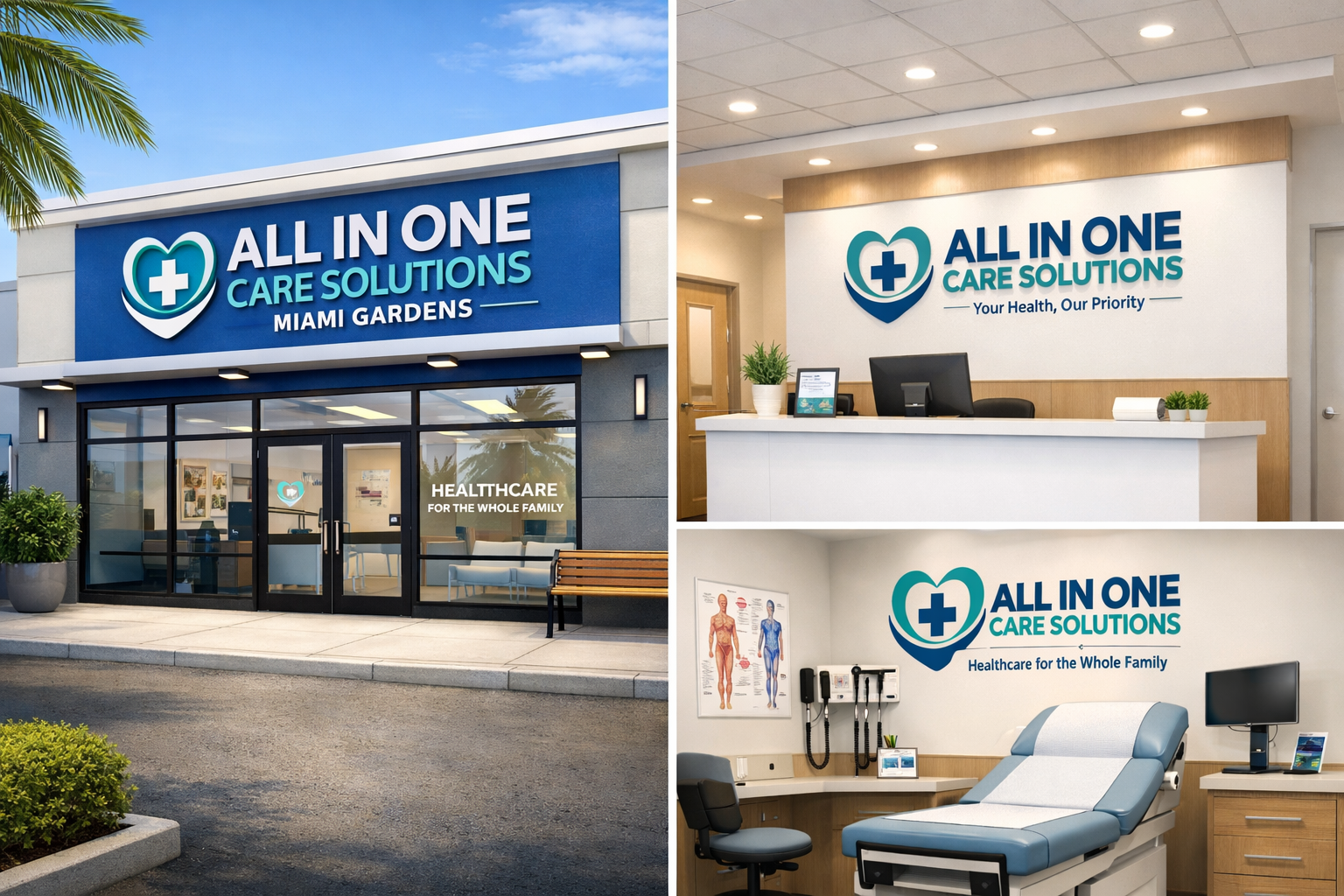
If you’re in the Miami-Dade area, a clinic like All In One Care Solutions offers a broad range of primary care and wellness services under one roof, which is genuinely convenient for patients who don’t want to drive to three different locations for routine care.
How to Find Primary Care Doctors Accepting New Patients Near You
Start with your insurance company’s provider directory — it’s the most reliable way to find doctors who are actually in-network. Most insurers have an online search tool. Filter by specialty (Family Medicine or Internal Medicine), location, and whether they’re accepting new patients.
Beyond insurance directories, here’s a practical search sequence:
- Check your insurer’s website first. Confirm the doctor is in-network before anything else.
- Search Google Maps for “primary care doctor near me” and read reviews. Look for patterns, not individual outliers.
- Ask for referrals. Friends, family, or coworkers who share your insurance and live nearby are a great source.
- Call the office directly. Ask: Are you accepting new patients? What’s the typical wait for a new patient appointment? Do you accept [your specific plan]?
- Check Healthgrades, Zocdoc, or Vitals for additional reviews and credential verification.
One common mistake: people assume a doctor who accepts their insurance type (e.g., “Blue Cross”) accepts their specific plan (e.g., “Blue Cross HMO Silver”). Always confirm the exact plan name when you call.
What to Look for in a Primary Care Clinic: Beyond the Doctor’s Name
The doctor matters, but so does the practice around them. A brilliant physician in a disorganized clinic with a three-week wait for appointments isn’t serving you well.
Appointment availability: Can you get seen when you’re actually sick? Clinics that offer same-day doctor appointments are significantly more useful in real-world situations than those with long lead times.
Services on-site: Does the clinic offer labs, imaging referrals, and wellness services in one location? Every time you have to go somewhere else for a basic test, that’s time and money you’re spending unnecessarily.
Staff quality: The front desk and medical assistants set the tone for your entire experience. If the staff is dismissive or disorganized on your first call, that’s a preview of what’s ahead.
After-hours options: What happens if you get sick on a Friday night? Does the clinic offer telehealth or an after-hours line? This matters more than most people anticipate until they need it.
Billing transparency: Are costs explained upfront? Do they help you understand what your insurance covers? Surprise bills are a real problem in healthcare, and a good practice minimizes them.
Annual Physical Exams: Why You Shouldn’t Skip Them
An annual physical exam is the single most effective preventive health tool available to most adults. It catches problems — high blood pressure, pre-diabetes, elevated cholesterol, thyroid issues — before they become symptomatic. By the time you feel these things, they’ve often been developing for years.
What a thorough annual physical typically includes:
- Vital signs (blood pressure, heart rate, weight, BMI)
- Blood work (complete metabolic panel, lipid panel, CBC, glucose)
- Review of medications and supplements
- Cancer screenings appropriate for your age and risk factors
- Immunization review
- Mental health and lifestyle discussion
If you’re in Miami Gardens or the surrounding area, annual physical exams are available at clinics that accept a range of insurance plans and can often get you in quickly.
Most insurance plans cover annual physicals at 100% with no copay — meaning there’s genuinely no financial barrier for most insured patients. If cost has been your reason for skipping, call your insurer and confirm your coverage.
How to Evaluate a Doctor’s Credentials and Background
Board certification is the baseline. It means a doctor completed their residency, passed rigorous specialty exams, and maintains ongoing education requirements. You can verify any physician’s board certification at the American Board of Medical Specialties website (abms.org) or through your state’s medical board.
For primary care, look for certification in:
- Family Medicine (treats patients of all ages)
- Internal Medicine (focuses on adult medicine)
- General Practice (less common but valid)
Beyond certification, check:
- State medical license status — your state’s medical board website lists any disciplinary actions
- Hospital affiliations — where does the doctor have admitting privileges if you need hospitalization?
- Years in practice — experience matters, though newer doctors with strong training can be excellent
- Patient reviews — look for consistent themes across multiple platforms
One thing reviews reveal that credentials don’t: how the doctor communicates. Does the doctor listen? Do they explain things clearly? Do they rush you? These are the things that determine whether you’ll actually follow their advice and keep coming back.
Insurance Compatibility: The Filter You Must Apply First
Before you fall in love with a doctor’s reviews or location, confirm they accept your insurance. This sounds obvious, but it’s the most common mistake people make when switching providers.
Key questions to ask when calling a new practice:
- Do you accept [insurance company name] and specifically [plan name]?
- Am I responsible for a copay at each visit, or is this covered under preventive care?
- Do you accept [Medicaid/Medicare/Access Florida] if applicable?
- What’s your billing process if a claim is denied?
If you’re on a Florida Medicaid plan or a managed care plan like Solis Health Plan, make sure the clinic is specifically contracted with that plan. Some clinics in the Miami area, for example, accept Solis Health Plan — but you need to confirm this directly because plan networks change.
Patients without insurance should ask about self-pay rates upfront. Many clinics offer sliding scale fees or flat-rate self-pay options that are more affordable than people expect.
Specialty Services That Complement Primary Care
A growing number of primary care clinics now offer services beyond traditional medicine. This can be genuinely useful — or it can be a distraction from core care quality. Here’s how to think about it.
Worth considering:
- B12 injections and IV therapy — useful for patients with documented deficiencies or specific wellness goals. B12 injection benefits are well-documented for energy, nerve function, and metabolism support, particularly for older adults or those on certain medications.
- Weight loss programs — medically supervised weight loss, including newer GLP-1 medications, is a legitimate and effective service when offered by qualified providers.
- Diabetes management — specialized diabetes care within a primary care setting reduces the need for separate endocrinology referrals for many patients.
- Mental health integration — screening and referral for anxiety, depression, and other conditions within your PCP’s office reduces stigma and improves follow-through.
Be more cautious about:
- Aesthetic services marketed heavily alongside medical care — they can be legitimate, but make sure the medical side of the practice isn’t an afterthought.
- Wellness “packages” with vague health claims and no clear clinical basis.
The best clinics integrate complementary services in a way that supports your overall health, not just their revenue.
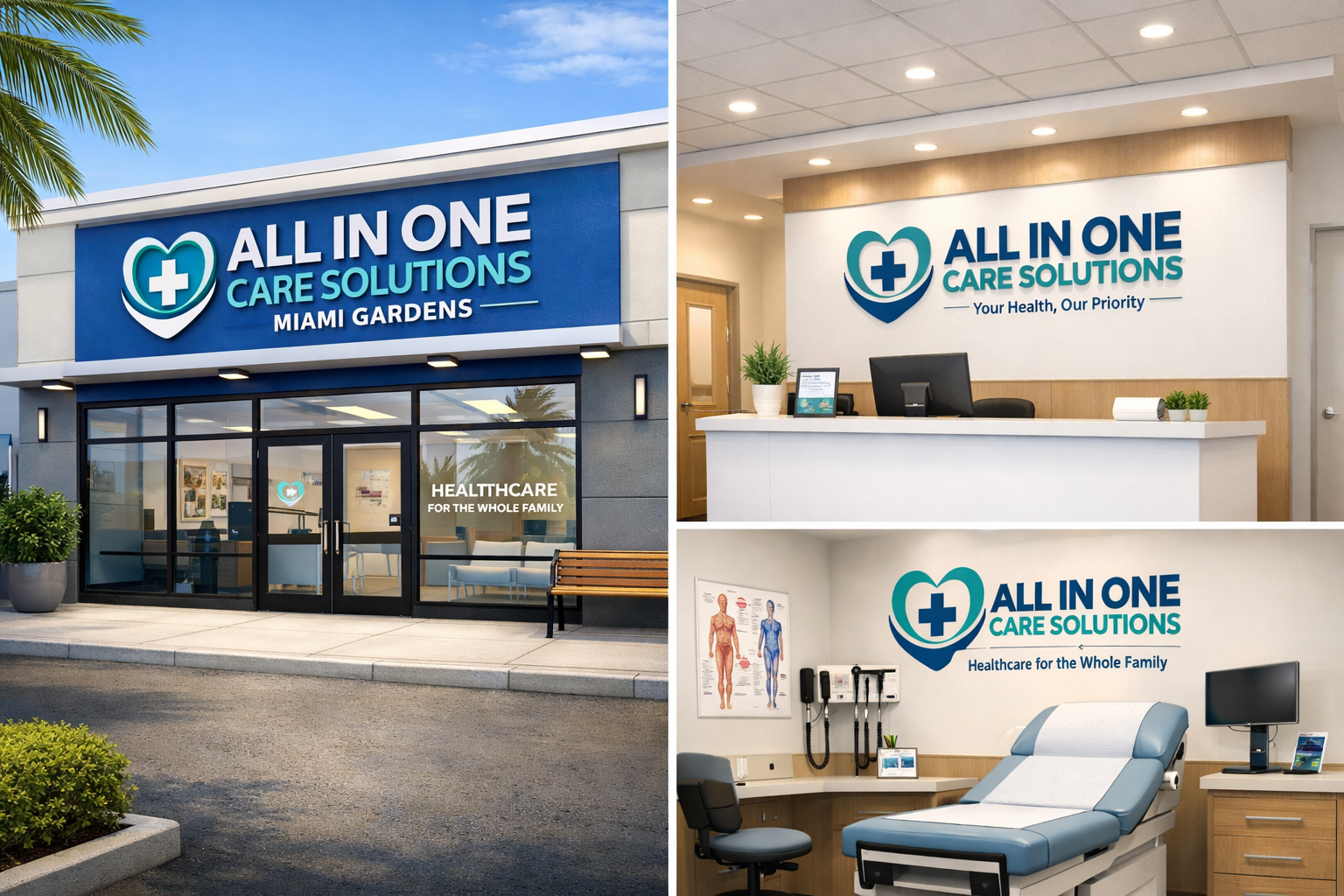
Spotlight: What a Full-Service Primary Care Clinic Looks Like
For patients in the Miami Gardens, Miami Lakes, and Hialeah areas, All In One Care Solutions represents the kind of full-service primary care model worth understanding. The clinic offers primary care, annual physicals, diabetes management, weight loss programs, IV therapy, B12 injections, and aesthetic services — all in one location.
This matters practically because patients with multiple health needs don’t have to coordinate between separate providers. A patient managing diabetes who also wants medically supervised weight loss, for example, can address both in a single practice relationship.
The clinic accepts several insurance plans and offers same-day appointments, which addresses two of the most common friction points in primary care access. Bilingual services (English and Spanish) are also available, which is a meaningful practical advantage in Miami-Dade County.
For patients evaluating this type of clinic, the right questions remain the same: Is my insurance accepted? Can I get an appointment when I need one? Does the doctor communicate in a way that works for me?
Common Mistakes to Avoid When Choosing a Primary Care Doctor
Choosing based on location alone. Convenience matters, but a close clinic with poor care quality isn’t saving you anything.
Not reading reviews carefully. A 4.2-star average means little if the negative reviews consistently mention the same problem — like never being able to reach anyone by phone.
Assuming your current doctor is in-network after a plan change. Insurance networks change annually. Verify every year during open enrollment.
Waiting until you’re sick to establish care. New patient appointments often have longer waits. Establish care when you’re healthy so you’re already in the system when you need it.
Ignoring the front desk experience. If the staff is rude or disorganized when you call to schedule, that’s not going to improve once you’re a patient.
FAQ: Finding and Choosing a Primary Care Doctor
What’s the difference between a family medicine doctor and an internal medicine doctor? Family medicine doctors treat patients of all ages, including children. Internal medicine doctors (internists) focus on adult medicine. Either works well as a primary care provider for adults.
How often should I see my primary care doctor if I’m healthy? Once a year for a routine physical is the standard recommendation for most healthy adults. If you have chronic conditions, your doctor may want to see you more frequently.
Can I switch primary care doctors if I’m not happy? Yes. You can switch at any time. If you’re on an HMO plan, you may need to formally designate a new PCP through your insurer before your first visit.
What should I bring to my first appointment with a new doctor? Bring your insurance card, a photo ID, a list of all current medications and dosages, any relevant medical records or recent lab results, and a list of questions or concerns you want to address.
How do I know if a clinic accepts my specific insurance plan? Call the clinic directly and give them your insurance company name, plan name, and member ID. Don’t rely on general statements like “we accept most insurance.”
What if I don’t have insurance? Ask about self-pay rates. Many clinics offer flat-rate or discounted self-pay pricing. Community health centers (FQHCs) offer sliding-scale fees based on income. In Florida, you can also check eligibility for Medicaid through Access Florida.
Is telehealth a good substitute for in-person primary care? Telehealth works well for follow-ups, minor illness, and prescription refills. It’s not a substitute for physical exams, lab work, or anything requiring hands-on assessment. A good practice offers both.
How long should I wait before seeing a new primary care doctor? Ideally, a new patient appointment should be available within two to four weeks for non-urgent needs. If the wait is longer than six weeks, keep looking or ask to be put on a cancellation list.
Final Verdict: How to Make Your Decision
Finding the right primary care doctor isn’t complicated, but it does require a few deliberate steps. Start with insurance compatibility, then filter by location and availability, then evaluate the doctor and practice quality through reviews and a direct conversation.
If you’re in the Miami-Dade area and want a clinic that handles primary care, annual physicals, chronic disease management, and wellness services in one place, All In One Care Solutions is worth a direct inquiry. Confirm your insurance is accepted, ask about wait times for new patients, and see if the communication style works for you.
For everyone else, the framework is the same: verify credentials, confirm insurance, assess accessibility, and trust your gut about the doctor-patient relationship. The right primary care doctor is one you’ll actually go to — and that’s the whole point.
Related reading: