How to Keep Your Kids Healthy During School Year in Miami Gardens
Last updated: March 7, 2026
The school year brings excitement, learning opportunities, and unfortunately, increased exposure to germs and illnesses. For parents in Miami Gardens, keeping children healthy during the academic year requires a proactive approach that combines preventive care, proper nutrition, immune support, and regular medical supervision. Understanding how to keep your kids healthy during school year in Miami Gardens means addressing the unique challenges of South Florida’s climate, crowded classrooms, and the demanding schedules that families face in Miami-Dade County.
Key Takeaways
- Annual medical exams are essential for catching health issues early and ensuring children meet school health requirements
- Proper nutrition and hydration form the foundation of strong immune function during the school year
- Hand hygiene and infection control practices significantly reduce the spread of common illnesses in schools
- Adequate sleep (9-12 hours for school-age children) supports immune health and academic performance
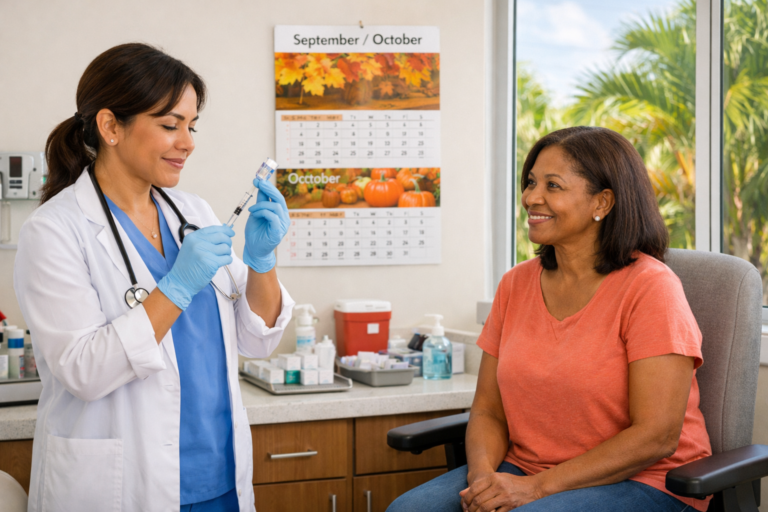
- Up-to-date vaccinations protect children from preventable diseases and meet Florida school entry requirements
- IV therapy and vitamin supplementation can provide targeted immune support for children and parents
- Regular physical activity (60 minutes daily) strengthens immunity and supports overall wellness
- Mental health support is equally important as physical health for school success
- Preventive care visits should occur before school starts and throughout the academic year
- Professional medical guidance from licensed providers ensures safe, effective health strategies
Quick Answer
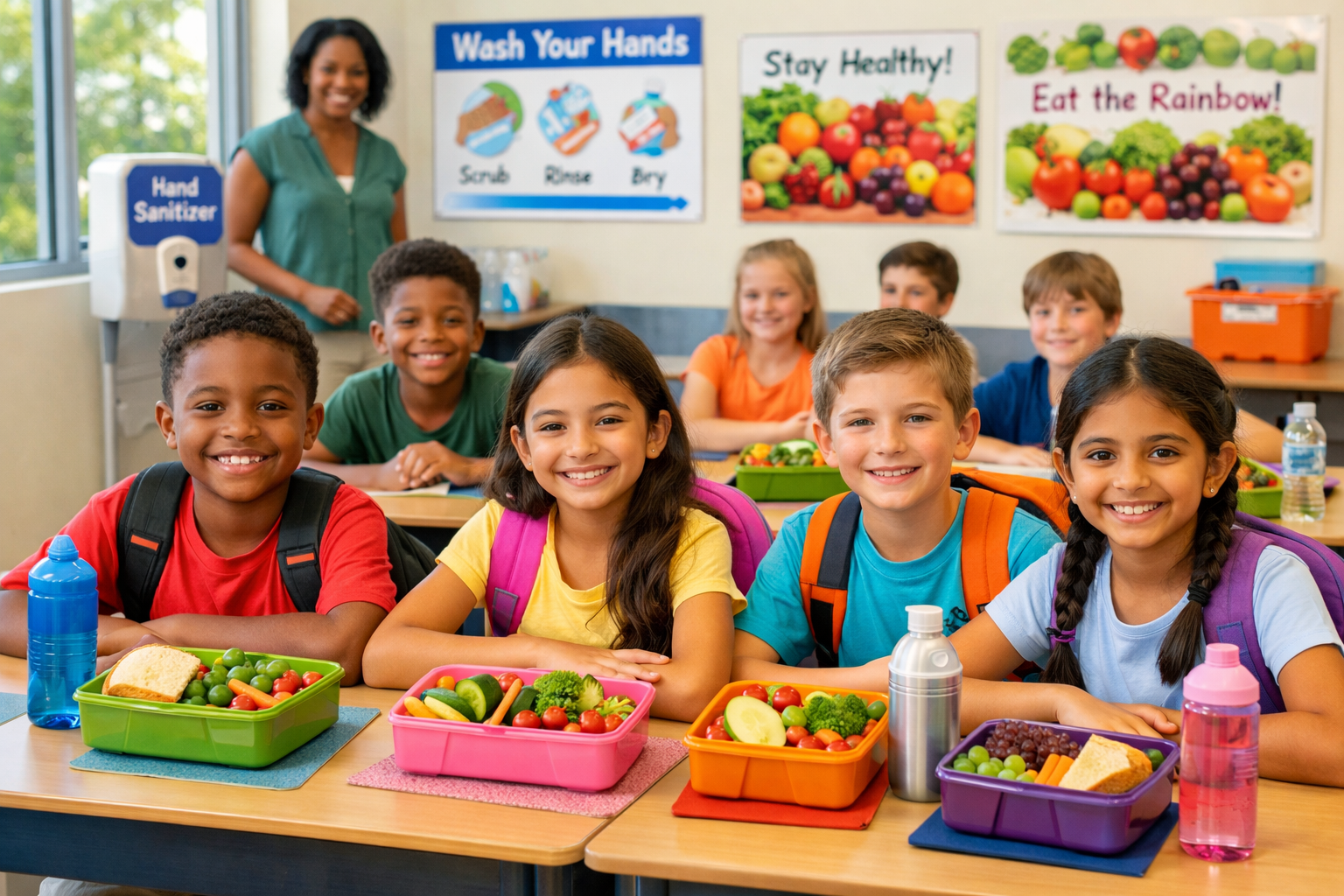
Keeping kids healthy during the school year in Miami Gardens requires a comprehensive approach: schedule annual medical exams at a trusted primary care clinic, ensure all vaccinations are current, establish consistent sleep schedules, provide nutrient-rich meals and snacks, teach proper handwashing techniques, encourage daily physical activity, monitor mental health, and consider immune-boosting options like vitamin supplementation or IV therapy for the whole family. Licensed healthcare providers at All In One Care Solutions offer family-centered preventive care, same-day appointments, and physician-supervised wellness treatments to support your children’s health throughout the academic year.
Why Is Preventive Care Essential for School-Age Children in Miami Gardens?
Preventive care identifies health concerns before they become serious problems and ensures children meet all requirements for school attendance in Miami-Dade County. Annual medical exams, vision and hearing screenings, and developmental assessments help catch issues early when they’re most treatable.
Children in Miami Gardens face specific health challenges including heat-related illnesses from outdoor activities, seasonal allergies year-round due to Florida’s climate, and higher exposure to respiratory infections in crowded classrooms. Regular preventive visits allow healthcare providers to:
- Monitor growth and development through standardized measurements and assessments
- Update immunizations according to Florida Department of Health and CDC schedules
- Screen for vision and hearing problems that affect learning
- Assess nutritional status and provide guidance for healthy eating
- Identify behavioral or mental health concerns early
- Review medication needs for chronic conditions like asthma or allergies
- Provide sports physicals required for school athletics participation
Choose preventive care if your child will be starting a new school, participating in sports, has missed their annual exam, or shows any concerning symptoms. The comprehensive medical exams in Miami Gardens at All In One Care Solutions include all required screenings and documentation for school enrollment.
Common mistake: Waiting until a child is sick to visit the doctor. Preventive care builds a relationship with a healthcare provider who knows your child’s baseline health, making it easier to identify when something is wrong.
What Vaccinations Do Children Need for School in Miami Gardens?
Florida law requires specific immunizations for school entry and attendance. Children must be up-to-date on vaccinations for diphtheria, tetanus, pertussis (DTaP/Tdap), polio, measles, mumps, rubella (MMR), varicella (chickenpox), and hepatitis B before attending school in Miami-Dade County.
The required vaccination schedule includes:
- DTaP or Tdap: Five doses by age 6, with Tdap booster at age 11-12
- Polio (IPV): Four doses by school entry
- MMR: Two doses, first at 12-15 months, second at 4-6 years
- Varicella: Two doses for children without history of chickenpox
- Hepatitis B: Three-dose series completed by school age
- Additional recommended vaccines: Influenza (annual), HPV (starting at age 11-12), meningococcal (age 11-12 with booster at 16)
For seventh grade entry specifically, Florida requires proof of Tdap booster if the last tetanus-containing vaccine was given before age 7.
Schools in Miami Gardens strictly enforce these requirements. Children cannot attend without proper documentation unless they have a valid medical or religious exemption. The primary care services in Miami Gardens include immunization reviews and catch-up schedules for children who have fallen behind.
Edge case: If your child received vaccines in another country, bring all available records to your healthcare provider. Some international vaccines may meet U.S. requirements, but documentation must be reviewed and translated by a licensed provider.
How Can IV Therapy Support Family Wellness During the School Year?
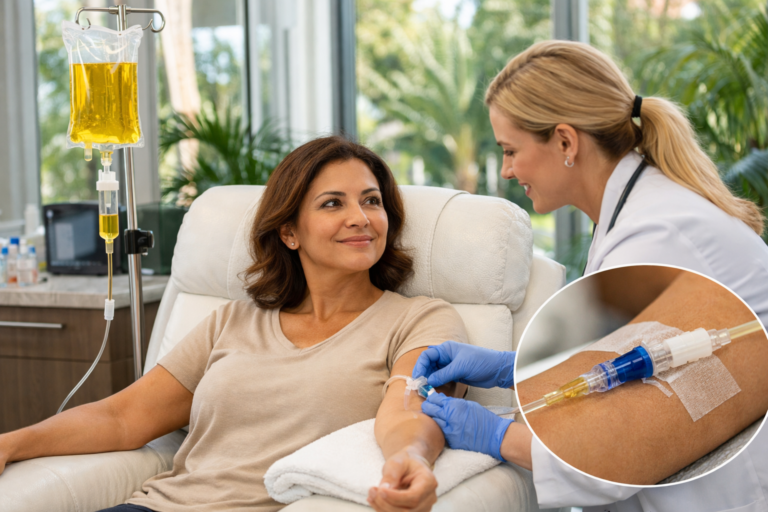
IV therapy provides rapid hydration and targeted nutrient delivery that supports immune function for both children and parents navigating the demanding school year. While IV therapy is typically administered to adults, the immune-boosting benefits help parents stay healthy so they can better care for their children.
Physician-supervised IV therapy in Miami Gardens delivers vitamins, minerals, and antioxidants directly into the bloodstream, bypassing digestive absorption limitations. This ensures maximum bioavailability of immune-supporting nutrients.
Popular IV therapy options for family wellness include:
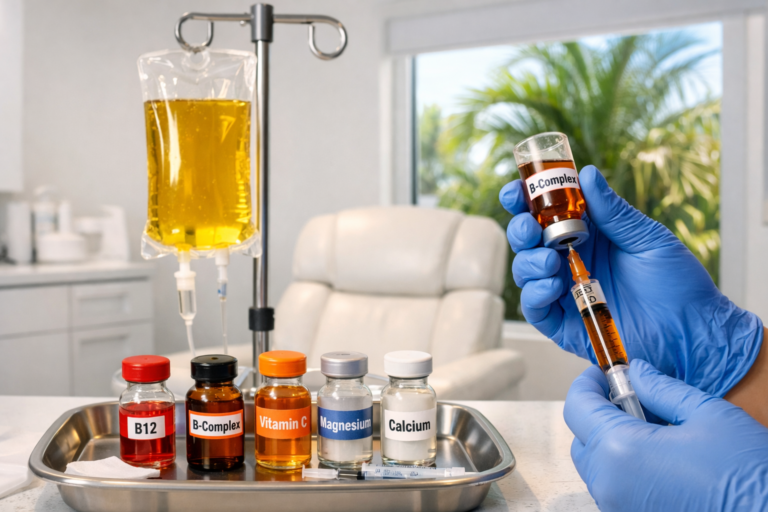
- Myers’ Cocktail: Comprehensive blend of vitamin C, B vitamins, magnesium, and calcium for overall wellness
- Immune Boost IV: High-dose vitamin C, zinc, and B vitamins specifically formulated to strengthen immune response
- NAD+ Therapy: Cellular energy support that enhances recovery and mental clarity for busy parents
- Glutathione IV: Master antioxidant that supports detoxification and immune function
- Hydration therapy: Essential during Miami’s heat and humidity, especially for active families
Parents who maintain their own health through proper nutrition, hydration, and immune support are better equipped to care for sick children and less likely to spread infections within the household. The IV therapy benefits extend beyond immediate symptom relief to long-term wellness support.
Choose IV therapy if you’re a parent experiencing frequent fatigue, recovering from illness, or seeking proactive immune support during cold and flu season. All treatments at All In One Care Solutions are administered by licensed healthcare professionals in a clinical setting.
Important note: Children under 12 should focus on age-appropriate nutrition, hydration, and oral supplementation as recommended by their pediatrician rather than IV therapy.
What Should Be Included in a Child’s Annual Medical Exam?
A comprehensive annual exam for school-age children includes physical assessment, developmental screening, immunization review, and preventive health counseling. This visit establishes baseline health metrics and identifies any concerns that could affect school performance or overall wellbeing.
Components of a thorough annual exam:
- Growth measurements: Height, weight, and BMI calculation plotted on growth charts
- Vital signs: Blood pressure, heart rate, respiratory rate, and temperature
- Physical examination: Head-to-toe assessment of all body systems
- Vision screening: Age-appropriate tests to detect vision problems
- Hearing screening: Audiometry testing for hearing loss
- Developmental assessment: Age-appropriate milestones and behavioral screening
- Immunization review: Verification of vaccine status and administration of needed doses
- Laboratory tests: Blood work if indicated based on age, risk factors, or symptoms
- Health education: Nutrition, safety, physical activity, and age-appropriate topics
- School forms completion: Sports physicals, medication authorization, health history documentation
The family practice services in Miami Gardens at All In One Care Solutions serve patients ages 12 and up, providing continuity of care as children transition to adolescence and young adulthood.
Timing matters: Schedule annual exams in early summer (June-July) to allow time for any needed follow-up appointments, specialist referrals, or catch-up vaccinations before school starts in August.
Common mistake: Rushing through the exam without discussing concerns. Parents should prepare a list of questions about behavior, sleep, nutrition, school performance, or any symptoms they’ve noticed.
How Does Nutrition Impact Children’s Immune Health During School?
Proper nutrition provides the building blocks for a strong immune system, supporting children’s ability to fight off the infections they encounter daily in school settings. A diet rich in whole foods, fruits, vegetables, lean proteins, and healthy fats supplies essential vitamins, minerals, and antioxidants.
Key nutrients for immune function include:
- Vitamin C: Found in citrus fruits, strawberries, bell peppers, and broccoli; supports white blood cell function
- Vitamin D: Critical for immune regulation; many children are deficient, especially in South Florida where sun protection is necessary
- Zinc: Present in lean meats, beans, nuts, and whole grains; essential for immune cell development
- Vitamin A: Found in orange and dark green vegetables; maintains mucous membrane integrity
- Protein: Necessary for antibody production; include lean meats, fish, eggs, beans, and dairy
- Probiotics: Support gut health where 70% of immune function originates; found in yogurt and fermented foods
- Omega-3 fatty acids: Anti-inflammatory properties support overall immune health; found in fatty fish, walnuts, and flaxseeds
Practical strategies for school-year nutrition:
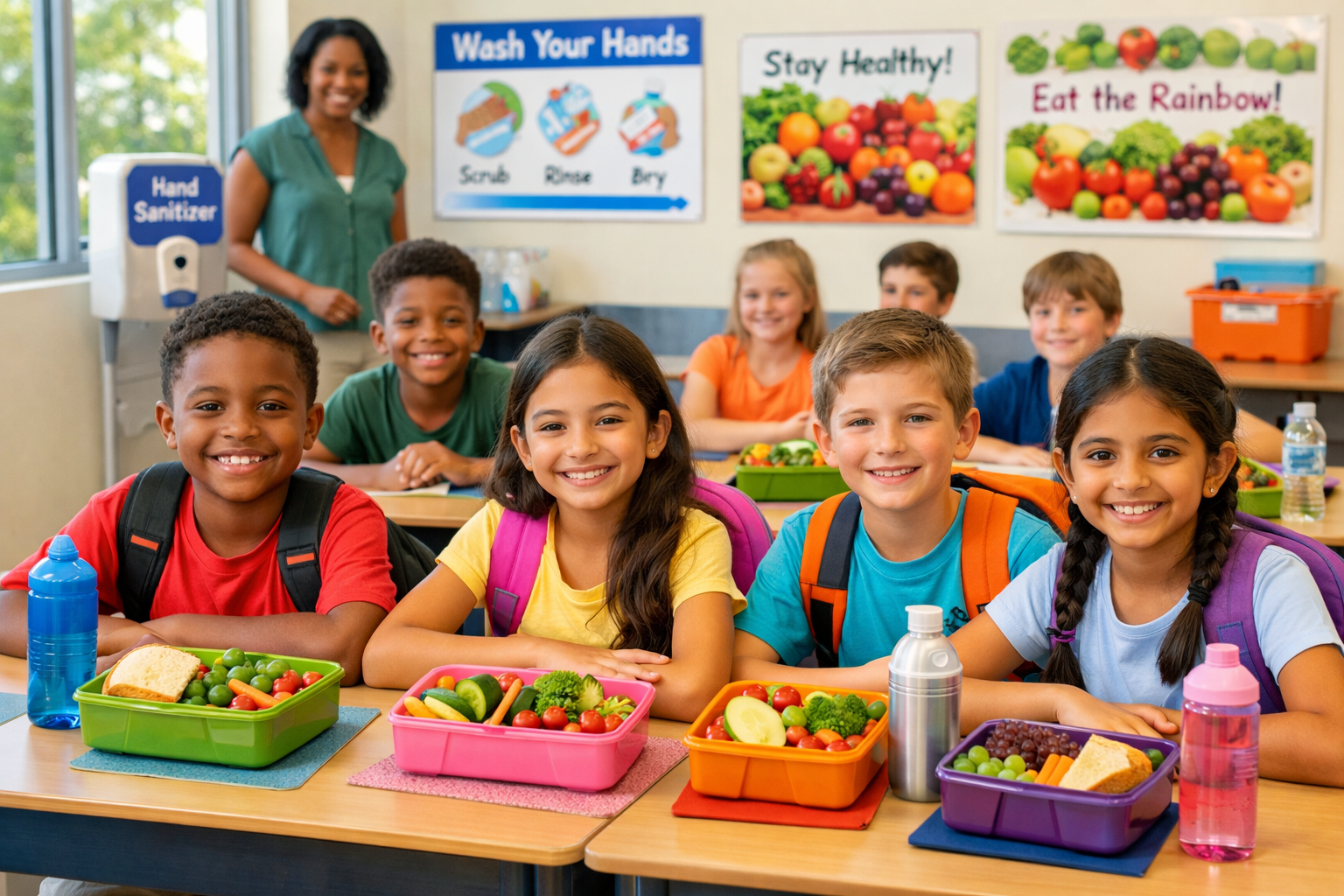
- Pack balanced lunches with protein, whole grains, fruits, and vegetables
- Limit processed foods, added sugars, and artificial ingredients
- Ensure adequate hydration with water rather than sugary drinks
- Involve children in meal planning and preparation to encourage healthy choices
- Keep nutritious snacks readily available (cut vegetables, fruits, nuts, cheese)
- Establish regular meal times to support metabolism and energy levels
Choose vitamin supplementation if your child is a picky eater, has dietary restrictions, or shows signs of deficiency. The healthcare providers at All In One Care Solutions can assess nutritional status and recommend appropriate supplementation, including B12 injections for adolescents with documented deficiencies.
Why Is Sleep Critical for Children’s Health and Academic Performance?
Adequate sleep is essential for immune function, cognitive development, emotional regulation, and physical growth in school-age children. Sleep deprivation weakens the immune system, making children more susceptible to infections and less able to recover from illness.
Recommended sleep duration by age:
- Ages 6-12: 9-12 hours per night
- Ages 13-18: 8-10 hours per night
Children who consistently get sufficient sleep demonstrate better academic performance, improved behavior, enhanced memory consolidation, and stronger immune responses compared to sleep-deprived peers.
Strategies to improve sleep quality:
- Establish consistent bedtimes and wake times, even on weekends
- Create a relaxing bedtime routine (reading, bath, quiet activities)
- Limit screen time at least 1 hour before bed (blue light disrupts melatonin production)
- Ensure the bedroom is cool, dark, and quiet
- Avoid caffeine (including sodas and chocolate) after lunch
- Encourage physical activity during the day, but not close to bedtime
- Address anxiety or stress that may interfere with sleep
Red flag signs of sleep problems: Difficulty waking in the morning, falling asleep in class, irritability, hyperactivity, difficulty concentrating, or frequent illness. If your child shows these signs, discuss them with a healthcare provider who can assess for underlying sleep disorders.
Edge case: Some adolescents experience delayed sleep phase syndrome, a circadian rhythm disorder that makes falling asleep at conventional times difficult. This requires medical evaluation and may benefit from light therapy or melatonin supplementation under physician guidance.
What Role Does Physical Activity Play in Children’s Immune Health?
Regular physical activity strengthens the immune system, improves cardiovascular health, supports healthy weight, enhances mood, and promotes better sleep in children. The CDC recommends at least 60 minutes of moderate-to-vigorous physical activity daily for school-age children.
Immune benefits of exercise include:
- Enhanced circulation of immune cells throughout the body
- Reduced inflammation
- Improved antibody response to infections
- Better stress management (chronic stress weakens immunity)
- Stronger respiratory function
- Healthier body composition
Ways to incorporate physical activity:
- School-based: Physical education classes, recess, before/after-school sports programs
- Family activities: Biking, hiking, swimming, playing at parks
- Organized sports: Soccer, basketball, dance, martial arts, swimming
- Active transportation: Walking or biking to school when safe
- Home activities: Jump rope, active video games, backyard play
Miami Gardens offers numerous parks, recreation centers, and youth sports programs. The city’s warm climate allows year-round outdoor activity, though parents should ensure children stay hydrated and use sun protection during peak heat hours.
Balance is important: While regular exercise strengthens immunity, excessive training without adequate rest can temporarily suppress immune function. Ensure children have rest days and don’t overtrain.
Choose sports physicals from licensed providers who understand the demands of athletic participation. The primary care doctors in Miami Gardens at All In One Care Solutions provide comprehensive sports physicals required for school athletics.
How Can Parents Teach Effective Hand Hygiene and Infection Control?
Proper hand hygiene is the single most effective way to prevent the spread of infections in school settings. Teaching children when and how to wash their hands correctly significantly reduces their risk of contracting and spreading illnesses.
Critical times for handwashing:
- Before eating or preparing food
- After using the bathroom
- After blowing nose, coughing, or sneezing
- After touching garbage
- After playing outside
- Before and after touching face, especially eyes, nose, and mouth
- After contact with someone who is sick
Proper handwashing technique:
- Wet hands with clean, running water
- Apply soap and lather thoroughly
- Scrub all surfaces including backs of hands, between fingers, and under nails
- Continue scrubbing for at least 20 seconds (sing “Happy Birthday” twice)
- Rinse completely under running water
- Dry with clean towel or air dryer
Additional infection control strategies:
- Teach children to cough and sneeze into their elbow, not their hands
- Avoid sharing water bottles, utensils, or personal items
- Keep hands away from face throughout the day
- Use hand sanitizer (60%+ alcohol) when soap and water aren’t available
- Stay home when sick to prevent spreading illness to classmates
- Clean and disinfect frequently touched surfaces at home
Make it engaging: Use songs, timers, or games to help younger children wash hands for the full 20 seconds. Praise good hygiene habits to reinforce the behavior.
Common mistake: Assuming hand sanitizer is always sufficient. While convenient, hand sanitizer doesn’t remove dirt or certain types of germs as effectively as soap and water. It’s a supplement, not a replacement, for proper handwashing.
When Should Children Stay Home from School Due to Illness?
Knowing when to keep a sick child home protects both the child’s health and prevents spreading illness to classmates and teachers. Miami-Dade County schools have specific guidelines for illness-related absences.
Keep children home if they have:
- Fever: Temperature of 100.4°F (38°C) or higher; child should be fever-free for 24 hours without medication before returning
- Vomiting or diarrhea: Keep home until symptom-free for 24 hours
- Severe cold symptoms: Persistent cough, difficulty breathing, excessive nasal discharge
- Conjunctivitis (pink eye): Especially with discharge; may return after 24 hours of treatment
- Unexplained rash: Especially with fever; requires medical evaluation
- Head lice: Until after first treatment (check school policy)
- Strep throat: Until 24 hours after starting antibiotics and fever-free
- Influenza: Until fever-free for 24 hours and symptoms improving
- COVID-19: Follow current CDC and school district isolation guidelines
Children can usually attend school with:
- Mild cold symptoms without fever
- Mild cough without difficulty breathing
- Minor skin rashes without fever (after medical evaluation)
- Seasonal allergies (with appropriate management)
When to seek medical care:
- High fever (103°F+) or fever lasting more than 3 days
- Difficulty breathing or persistent wheezing
- Severe headache or stiff neck
- Persistent vomiting or signs of dehydration
- Unusual lethargy or confusion
- Symptoms that worsen instead of improve
The same-day appointments in Miami Gardens at All In One Care Solutions ensure children receive prompt evaluation and treatment when illness strikes, minimizing missed school days.
Important: Always notify the school when keeping a child home due to illness, and provide documentation from a healthcare provider if required by school policy.
How Does Mental Health Impact Children’s Overall Wellness During School?
Mental and emotional health are inseparable from physical health, affecting children’s immune function, academic performance, social relationships, and overall quality of life. The pressures of academic demands, social dynamics, and extracurricular activities can create significant stress for school-age children.
Signs a child may be struggling with mental health:
- Changes in sleep patterns or appetite
- Withdrawal from friends or activities they previously enjoyed
- Declining academic performance
- Increased irritability, anger, or emotional outbursts
- Excessive worry or anxiety
- Frequent physical complaints (headaches, stomachaches) without medical cause
- Difficulty concentrating
- Changes in energy level
Supporting children’s mental health:
- Maintain open communication: Create a safe space for children to express feelings without judgment
- Establish routines: Predictable schedules reduce anxiety
- Limit overscheduling: Ensure children have downtime for relaxation and play
- Model healthy stress management: Children learn coping strategies by watching parents
- Encourage social connections: Positive peer relationships support emotional wellbeing
- Monitor media consumption: Limit exposure to news and social media that may increase anxiety
- Validate emotions: Acknowledge feelings rather than dismissing concerns
- Seek professional help when needed: Early intervention prevents problems from escalating
The mental health support services in Miami Gardens provide professional counseling and therapy for children and families navigating emotional or behavioral challenges.
Choose professional mental health support if your child’s symptoms persist for more than two weeks, interfere with daily functioning, or if you’re concerned about their safety. Licensed mental health professionals can provide evidence-based treatments including therapy and, when appropriate, medication management.
What Wellness Services Support Families During the School Year?
Comprehensive family wellness goes beyond treating illness to include preventive care, immune support, nutritional guidance, and stress management for both children and parents. When the whole family prioritizes health, everyone benefits from reduced illness, better energy, and improved quality of life.
Family wellness services available in Miami Gardens:
- Primary care for all ages: Continuity of care with providers who know your family’s health history
- Preventive screenings: Annual exams, immunizations, vision and hearing tests
- Chronic disease management: Asthma, diabetes, allergies, and other ongoing conditions
- Acute illness care: Same-day appointments for sudden illnesses or injuries
- Laboratory services: In-house testing for faster diagnosis and treatment
- Mental health support: Counseling and therapy for children, adolescents, and adults
- Nutritional counseling: Guidance for healthy eating and weight management
- IV therapy and vitamin boosters: Immune support and wellness optimization for adults
- Telemedicine options: Virtual visits for convenient access to care
Benefits of establishing a medical home:
A medical home provides coordinated, comprehensive care with a team that knows your family. This approach improves health outcomes, reduces emergency room visits, enhances preventive care compliance, and creates a trusted resource for health questions.
The primary care clinic in Miami Gardens at All In One Care Solutions offers family-centered care with bilingual providers, same-day appointments, and extended hours to accommodate busy school schedules.
For parents specifically: Taking care of your own health isn’t selfish—it’s essential. Parents who prioritize their wellness through adequate sleep, proper nutrition, stress management, and preventive care are better equipped to support their children’s health needs.
What’s Included in Comprehensive School-Year Health Support?
A complete approach to keeping children healthy during the school year addresses multiple aspects of wellness through coordinated services and preventive strategies.
Essential components include:
- ✅ Annual comprehensive medical examination with all required screenings
- ✅ Up-to-date immunizations according to Florida school requirements
- ✅ Vision and hearing screenings to detect problems affecting learning
- ✅ Nutritional assessment and guidance for optimal immune function
- ✅ Sleep hygiene education and support for establishing healthy routines
- ✅ Physical activity recommendations tailored to age and interests
- ✅ Mental health screening and access to counseling services when needed
- ✅ Infection control education including proper handwashing techniques
- ✅ Access to same-day sick visits when illness occurs
- ✅ School form completion including sports physicals and medication authorizations
- ✅ Chronic condition management for asthma, allergies, diabetes, or other ongoing health needs
- ✅ Parent wellness support including IV therapy and vitamin supplementation options
How It Works: Establishing a School-Year Health Plan
Creating and maintaining a comprehensive health plan for the school year involves systematic steps that address prevention, monitoring, and prompt treatment when needed.
Follow these steps for optimal school-year health:
- Schedule annual exams early (June-July) to allow time for any needed follow-up before school starts in August
- Review immunization records with your healthcare provider and complete any missing vaccines
- Establish healthy routines including consistent sleep schedules, balanced meals, and daily physical activity
- Stock up on supplies including healthy snacks, water bottles, hand sanitizer, and basic first aid items
- Create an illness action plan so you know when to keep children home and when to seek medical care
- Maintain open communication with school nurses and teachers about any health concerns or conditions
- Monitor your child’s wellbeing regularly through conversations about school, friends, and how they’re feeling
- Address concerns promptly rather than waiting to see if problems resolve on their own
- Support your own health as a parent through proper self-care, nutrition, and stress management
- Establish a relationship with a trusted primary care provider for continuity of care throughout the year
Frequently Asked Questions
How often should my child see a doctor during the school year?
Children should have at least one annual comprehensive exam, plus visits for acute illnesses, follow-up appointments for chronic conditions, and any sports physicals required for athletic participation. Healthy children typically need 1-2 preventive visits per year, while those with chronic conditions may require more frequent monitoring.
Can vitamin supplements help prevent my child from getting sick at school?
While a balanced diet should provide most nutrients, supplementation may benefit children with documented deficiencies, restrictive diets, or picky eating habits. Vitamin D and zinc supplementation have some evidence for immune support, but always consult a healthcare provider before starting supplements. For parents, physician-supervised vitamin therapy including B12 injections and IV therapy can support overall family wellness.
What should I do if my child keeps getting sick at school?
Frequent illness is common when children first enter school or change schools due to exposure to new germs. However, if your child has more than 8-10 colds per year, illnesses lasting longer than 10 days, or severe infections, schedule an evaluation to rule out underlying immune deficiencies or chronic conditions like allergies or asthma.
Are there specific health concerns for children in Miami Gardens?
Miami Gardens children face health challenges including year-round allergies due to tropical vegetation, heat-related illnesses from outdoor activities in South Florida’s climate, higher asthma rates related to humidity and air quality, and mosquito-borne illness risks. Preventive care should address these local factors.
How can I boost my child’s immune system naturally?
Support immune health through adequate sleep (9-12 hours for school-age children), balanced nutrition rich in fruits and vegetables, regular physical activity, stress management, proper hydration, good hygiene practices, and keeping up with recommended vaccinations. These evidence-based strategies are more effective than unproven supplements or remedies.
When should I consider IV therapy for family wellness?
IV therapy is appropriate for adults seeking immune support, rapid hydration, energy enhancement, or recovery from illness. Parents who maintain their own health through proper nutrition, hydration, and immune support are better equipped to care for their children. IV therapy should be administered only by licensed healthcare professionals in a clinical setting.
What vaccines does my child need before starting school in Miami-Dade County?
Florida requires DTaP/Tdap, polio, MMR, varicella, and hepatitis B vaccines for school entry. Seventh graders need proof of Tdap booster. Annual influenza vaccine is strongly recommended but not required. Your healthcare provider can review your child’s immunization record and ensure compliance with all requirements.
How do I know if my child’s symptoms require medical attention?
Seek medical care for high fever (103°F+), difficulty breathing, persistent vomiting or diarrhea, severe headache, unusual lethargy, symptoms lasting more than a week without improvement, or any symptoms that concern you as a parent. Same-day appointments allow prompt evaluation and treatment.
Can stress affect my child’s physical health?
Yes, chronic stress weakens immune function, disrupts sleep, affects appetite, and can manifest as physical symptoms including headaches, stomachaches, and fatigue. Addressing mental and emotional health is essential for overall wellness. Professional counseling can help children develop healthy coping strategies.
What should I pack in my child’s lunch for optimal nutrition?
Include a protein source (lean meat, cheese, beans, or nut butter), whole grains (whole wheat bread, brown rice, or whole grain crackers), fruits and vegetables (fresh, dried, or minimally processed), healthy fats (nuts, avocado, or olive oil), and water. Limit processed foods, sugary drinks, and items high in added sugars or artificial ingredients.
Comparison: Preventive Care vs. Reactive Care for School-Age Children
| Aspect | Preventive Care Approach | Reactive Care Approach |
|---|---|---|
| Focus | Maintaining health and preventing illness | Treating illness after it occurs |
| Timing | Regular scheduled visits throughout the year | Visits only when child is sick |
| Cost | Lower long-term costs; most preventive services covered by insurance | Higher costs from urgent care, ER visits, and complications |
| School attendance | Fewer missed school days due to illness | More absences due to preventable illnesses |
| Immunizations | Up-to-date, meeting all school requirements | May fall behind, risking school exclusion |
| Chronic condition management | Early detection and ongoing monitoring | Conditions may worsen before diagnosis |
| Academic performance | Better performance due to optimal health | Illness-related absences affect learning |
| Relationship with provider | Established relationship with trusted provider | Seeing different providers at urgent care |
| Stress level | Lower stress for parents and children | Higher stress during illness crises |
| Health outcomes | Better long-term health and development | Increased risk of complications |
Schedule Your Family’s School-Year Health Visit
Conclusion
Keeping children healthy during the school year in Miami Gardens requires a proactive, comprehensive approach that addresses physical health, mental wellbeing, preventive care, and family wellness. The foundation includes annual medical exams with licensed healthcare providers, up-to-date immunizations meeting Florida school requirements, balanced nutrition supporting immune function, adequate sleep for growth and development, regular physical activity, effective hand hygiene and infection control practices, and prompt attention to both physical and mental health concerns.
Parents who establish a medical home with a trusted primary care provider ensure continuity of care, coordinated health management, and access to same-day appointments when illness strikes. Supporting your own wellness through proper nutrition, stress management, and when appropriate, physician-supervised treatments like IV therapy or vitamin supplementation, strengthens your ability to care for your children throughout the demanding school year.
The school year brings challenges, but with the right preventive strategies, professional medical support, and commitment to healthy habits, families in Miami Gardens can thrive academically, physically, and emotionally. Don’t wait for illness to disrupt your child’s education—take action now to build a strong foundation for health and success.
Book your session at All In One Care Solutions Medical Center — same-day appointments available.
📍 16191 NW 57 Ave, Miami Gardens, FL 33014
📞 (786) 446-9414
🌐 allinonecaresolutions.com
Hablamos Español — Bilingual care available.