Vitamin D Deficiency in Miami: Yes It Happens Even in South Florida
Last updated: March 7, 2026
Despite year-round sunshine, vitamin D deficiency in Miami affects thousands of residents across Miami Gardens and Miami-Dade County. Indoor lifestyles, sun protection habits, and skin pigmentation create a surprising health gap in one of America’s sunniest cities. At All In One Care Solutions, vitamin D screening and therapeutic supplementation address this overlooked wellness concern affecting energy, immunity, and long-term health.
Key Takeaways
- Vitamin D deficiency affects 30-40% of South Florida residents despite abundant sunshine, particularly those who work indoors or practice consistent sun protection
- Indoor air conditioning and office work block the UVB rays needed for natural vitamin D synthesis, even in Miami’s tropical climate
- Melanin-rich skin requires 3-5 times more sun exposure to produce adequate vitamin D compared to lighter skin tones
- SPF 30+ sunscreen blocks 97% of vitamin D production while protecting against skin cancer and premature aging
- Symptoms include chronic fatigue, muscle weakness, mood changes, and frequent illness – often dismissed as stress or aging
- Blood testing (25-hydroxyvitamin D) is the only accurate way to diagnose deficiency; optimal levels range from 30-50 ng/mL
- IV therapy and targeted supplementation restore levels faster than oral supplements alone, especially for severe deficiency
- Physician-supervised treatment at wellness clinics ensures safe dosing and addresses underlying absorption issues
Quick Answer
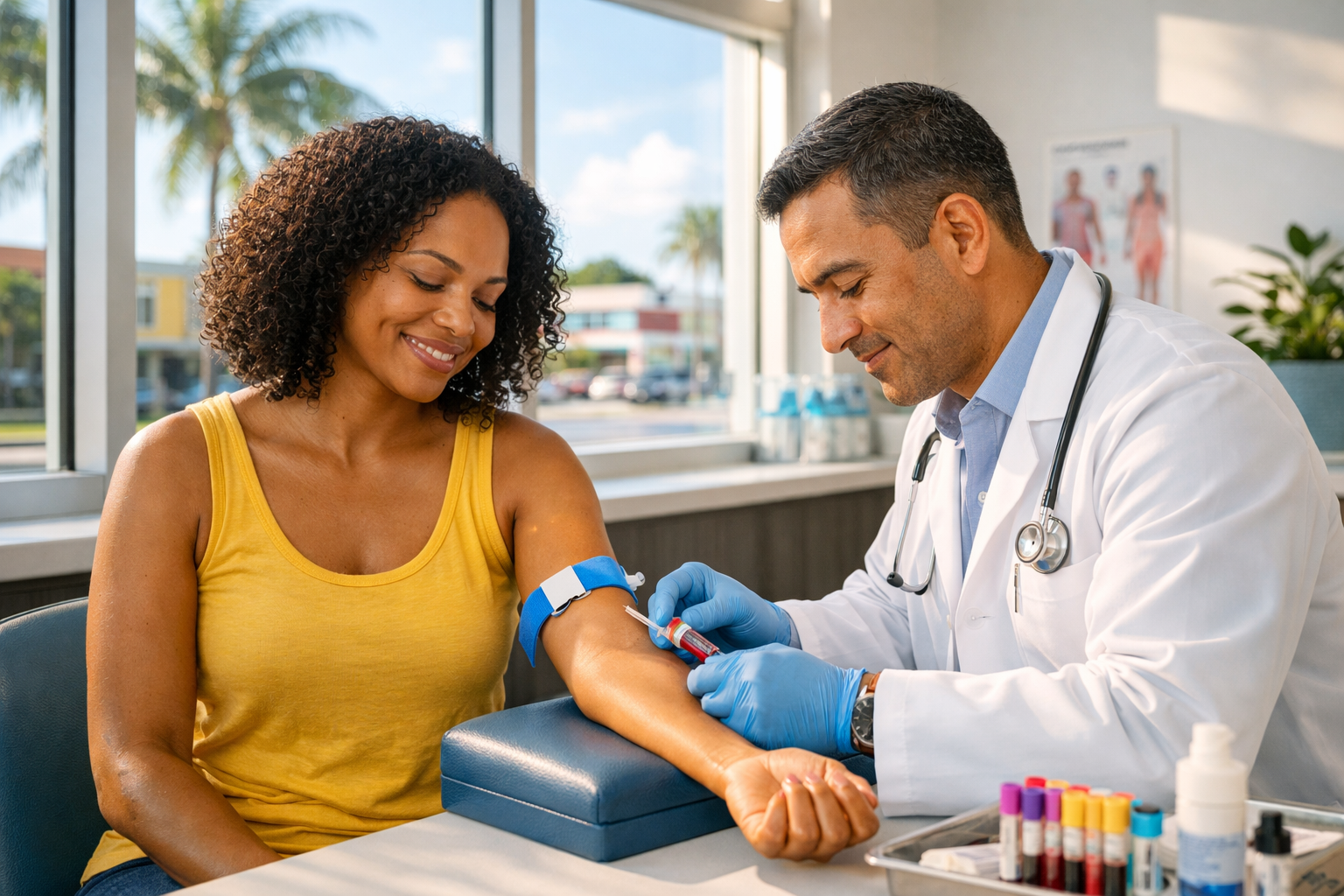
Vitamin D deficiency in Miami is common because most residents spend their days in air-conditioned buildings where window glass blocks UVB rays, use high-SPF sunscreen during outdoor activities, and many have melanin-rich skin that requires extended sun exposure for adequate synthesis. Professional testing and comprehensive medical exams in Miami Gardens identify deficiency, while targeted supplementation through oral vitamins, injections, or IV therapy Miami Gardens restores optimal levels under medical supervision.
Why Vitamin D Deficiency Happens in Sunny Miami
Vitamin D deficiency occurs in Miami Gardens and throughout South Florida because sunshine alone doesn’t guarantee adequate vitamin D production. Modern lifestyle factors block the specific UVB wavelengths needed for synthesis, creating a paradox where residents live in a tropical climate yet maintain insufficient vitamin D levels.
Key factors causing deficiency in Miami:
- Indoor work environments: Office buildings with UV-blocking windows prevent vitamin D synthesis even when sitting near bright windows
- Air conditioning dependency: Climate-controlled spaces keep residents indoors during peak UVB hours (10 AM – 3 PM)
- Consistent sun protection: Daily SPF use (essential for skin cancer prevention) blocks 97-99% of vitamin D production
- Skin pigmentation: Higher melanin levels in African American, Hispanic, and Caribbean populations require 3-6 times longer sun exposure
- Clothing coverage: Professional attire and modest dress limit skin exposure during outdoor activities
- Age-related synthesis decline: Adults over 50 produce 75% less vitamin D from sun exposure than younger individuals
- Obesity: Vitamin D is fat-soluble and becomes sequestered in adipose tissue, reducing bioavailability
Common mistake: Assuming that living in Florida automatically prevents vitamin D deficiency. Without intentional sun exposure (15-30 minutes of midday sun on bare skin, several times weekly) or supplementation, deficiency develops regardless of climate.
Choose professional testing if: You experience unexplained fatigue, frequent infections, bone pain, mood changes, or belong to a high-risk group (darker skin, indoor occupation, consistent sunscreen use, age 50+).
How Indoor Lifestyles Block Vitamin D Production
Indoor environments in Miami Gardens create a barrier to vitamin D synthesis because window glass, even in floor-to-ceiling windows, blocks UVB radiation while allowing visible light and UVA rays to pass through. This means residents can feel warm sunshine indoors without producing any vitamin D.
Why indoor exposure doesn’t work:
- Window glass composition: Standard architectural glass blocks 97% of UVB rays (280-315 nm wavelength) needed for vitamin D synthesis
- Office building design: Energy-efficient windows with UV coatings eliminate virtually all UVB penetration
- Car commutes: Windshields and side windows block UVB during daily travel, even in convertibles with the top down
- Indoor lighting: Artificial lights (LED, fluorescent, incandescent) produce no UVB radiation regardless of brightness
- Air quality: Indoor air lacks the atmospheric conditions that facilitate vitamin D production
The Miami office worker scenario: A professional working 9-5 in downtown Miami or Miami Gardens leaves home before peak UVB hours, spends 8-10 hours in a climate-controlled office, commutes in a car, and returns home after UVB intensity has declined. Weekend sun protection during outdoor activities further limits synthesis.
Decision rule: If you spend more than 6 hours daily indoors during daylight hours, consider vitamin D testing as part of your annual medical exam and discuss supplementation options.
The Sunscreen Paradox: Protection vs. Production
Sun protection creates a vitamin D dilemma in Miami because the same SPF that prevents skin cancer, premature aging, and hyperpigmentation also blocks the UVB rays essential for vitamin D synthesis. This trade-off requires intentional supplementation rather than choosing between skin health and vitamin D status.
How sunscreen affects vitamin D:
- SPF 15: Blocks approximately 93% of UVB rays and vitamin D production
- SPF 30: Blocks approximately 97% of UVB rays (most dermatologist-recommended minimum)
- SPF 50+: Blocks approximately 98-99% of UVB rays
- Application thickness: Most people apply 25-50% of the recommended amount, reducing both sun protection and vitamin D blocking
The recommendation conflict: Dermatologists advise daily broad-spectrum SPF 30+ for skin cancer prevention (especially critical in high-UV Miami), while vitamin D synthesis requires unprotected sun exposure. This isn’t a choice between competing health goals—it’s recognition that supplementation becomes necessary when practicing proper sun protection.
Best practice approach:
- Maintain consistent sun protection for skin cancer prevention
- Test vitamin D levels annually or biannually
- Supplement through diet, oral vitamins, or IV therapy rather than risking sun damage
- Never skip sunscreen to increase vitamin D production
Edge case: Some dermatologists suggest brief (10-15 minute) unprotected sun exposure on limited body areas (arms, legs) before applying sunscreen. Discuss this approach with your physician, considering your skin type, cancer risk, and vitamin D status.
Skin Pigmentation and Vitamin D Synthesis in Miami’s Diverse Population
Melanin content significantly affects vitamin D production rates, making deficiency more prevalent among Miami Gardens’ predominantly African American and Hispanic communities. Darker skin requires substantially longer sun exposure to produce equivalent vitamin D levels compared to lighter skin tones.
Melanin’s protective trade-off:
- Natural sun protection: Melanin absorbs UV radiation, reducing skin cancer risk and sun damage
- Reduced vitamin D synthesis: The same UV absorption that protects skin also limits vitamin D production
- Exposure time differences: Individuals with dark skin may need 3-6 times longer sun exposure than those with light skin to produce the same vitamin D amount
- Evolutionary adaptation: Melanin levels evolved based on ancestral sun exposure patterns; high melanin in equatorial regions where extended outdoor time was normal
Miami’s demographic reality: Miami-Dade County’s diverse population includes many residents with Caribbean, African, and Latin American heritage who have higher melanin levels. Combined with modern indoor lifestyles, this creates elevated deficiency risk.
Clinical evidence: Studies show vitamin D deficiency rates of 40-50% among African American adults in sunny climates, compared to 20-25% among Caucasian adults in the same regions.
Supplementation considerations for darker skin tones:
- Higher baseline supplementation doses may be needed (discuss with physician)
- More frequent testing to establish individual requirements
- Greater emphasis on dietary sources and therapeutic supplementation
- Recognition that “adequate sun exposure” differs substantially based on melanin content
Recognizing Vitamin D Deficiency Symptoms
Vitamin D deficiency symptoms often appear gradually and overlap with other conditions, making professional testing essential for accurate diagnosis. Many Miami residents attribute these symptoms to stress, aging, or Florida’s heat without recognizing the underlying nutritional deficiency.
Common symptoms of vitamin D deficiency:
- Persistent fatigue: Unexplained tiredness that doesn’t improve with rest or sleep
- Muscle weakness: Difficulty with stairs, getting up from chairs, or reduced exercise performance
- Bone pain: Dull aching in ribs, hips, legs, or lower back
- Frequent infections: Recurrent colds, flu, or respiratory infections
- Mood changes: Depression, anxiety, or seasonal affective disorder (even in sunny climates)
- Slow wound healing: Cuts, scrapes, or surgical incisions that heal poorly
- Hair loss: Thinning or excessive shedding beyond normal patterns
- Cognitive fog: Difficulty concentrating, memory issues, or mental fatigue
Severe deficiency complications (long-term):
- Osteoporosis and increased fracture risk
- Cardiovascular disease
- Autoimmune condition exacerbation
- Increased cancer risk
- Diabetes complications
Important distinction: These symptoms are non-specific and can indicate many conditions. Self-diagnosing vitamin D deficiency based on symptoms alone is unreliable. Blood testing through primary care services in Miami Gardens provides definitive diagnosis.
When to seek testing: If you experience three or more symptoms persistently, have risk factors (indoor lifestyle, darker skin, age 50+, obesity), or haven’t had vitamin D levels checked in the past year, request testing at your next medical appointment.
Professional Testing and Diagnosis
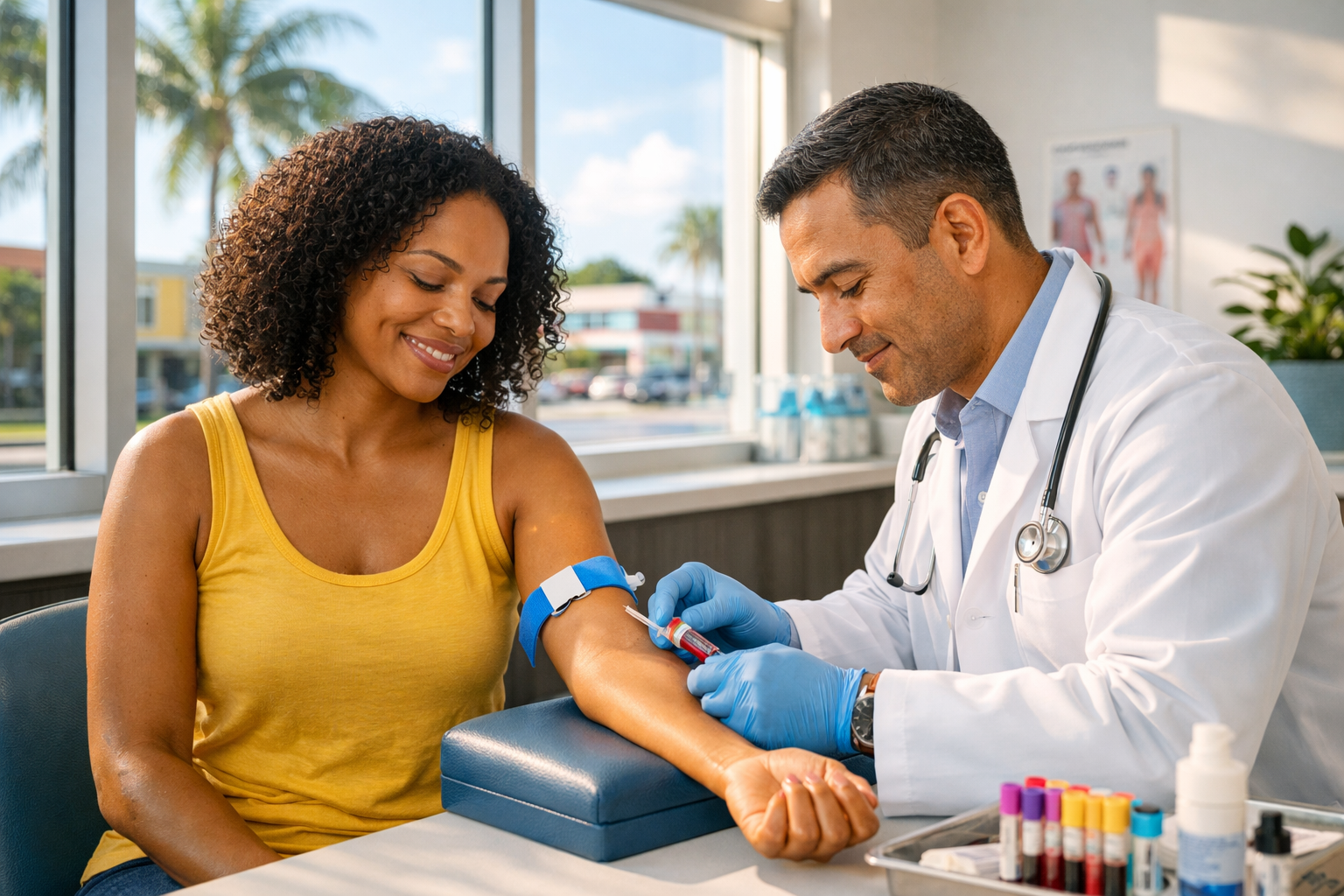
Vitamin D testing measures 25-hydroxyvitamin D [25(OH)D] levels through a simple blood draw, providing the only accurate assessment of vitamin D status. Home symptom checklists and online calculators cannot replace laboratory testing for diagnosis and treatment planning.
The testing process:
- Blood sample collection: Quick venipuncture during routine lab work or dedicated vitamin testing
- Laboratory analysis: Measures 25(OH)D concentration in ng/mL or nmol/L
- Results interpretation: Physician reviews levels against clinical reference ranges
- Treatment planning: Supplementation protocol based on deficiency severity and individual factors
Vitamin D level classifications:
| Level (ng/mL) | Status | Clinical Significance |
|---|---|---|
| Below 20 | Deficient | Increased health risks; treatment required |
| 20-29 | Insufficient | Suboptimal; supplementation recommended |
| 30-50 | Optimal | Target range for most adults |
| 51-100 | Adequate | Generally safe; monitor if supplementing |
| Above 100 | Excess | Potential toxicity; reduce supplementation |
Testing frequency recommendations:
- Initial screening: All adults during comprehensive physical exam
- High-risk individuals: Every 6 months until levels stabilize
- Maintenance monitoring: Annually for those on supplementation
- Symptom-driven: Whenever new deficiency symptoms appear
Insurance coverage: Most health plans cover vitamin D testing when medically indicated (symptoms, risk factors, or routine screening). Discuss coverage during your medical exam in Miami Gardens.
Treatment Options: From Supplements to IV Therapy
Vitamin D restoration requires physician-supervised supplementation tailored to deficiency severity, absorption capacity, and individual health factors. Treatment options range from over-the-counter oral supplements to prescription-strength doses and intravenous therapy for rapid correction.
Oral supplementation:
- Vitamin D3 (cholecalciferol): Preferred form; more effective than D2
- Typical maintenance dose: 1,000-2,000 IU daily for prevention
- Deficiency correction: 5,000-10,000 IU daily for 8-12 weeks, then maintenance
- Prescription megadoses: 50,000 IU weekly for severe deficiency
- Absorption factors: Take with fatty meal for optimal absorption; fat-soluble vitamin
Vitamin D injections:
- Intramuscular administration: 50,000-100,000 IU monthly
- Faster absorption: Bypasses digestive system issues
- Suitable for: Malabsorption conditions, gastric bypass patients, compliance challenges
IV therapy with vitamin D:
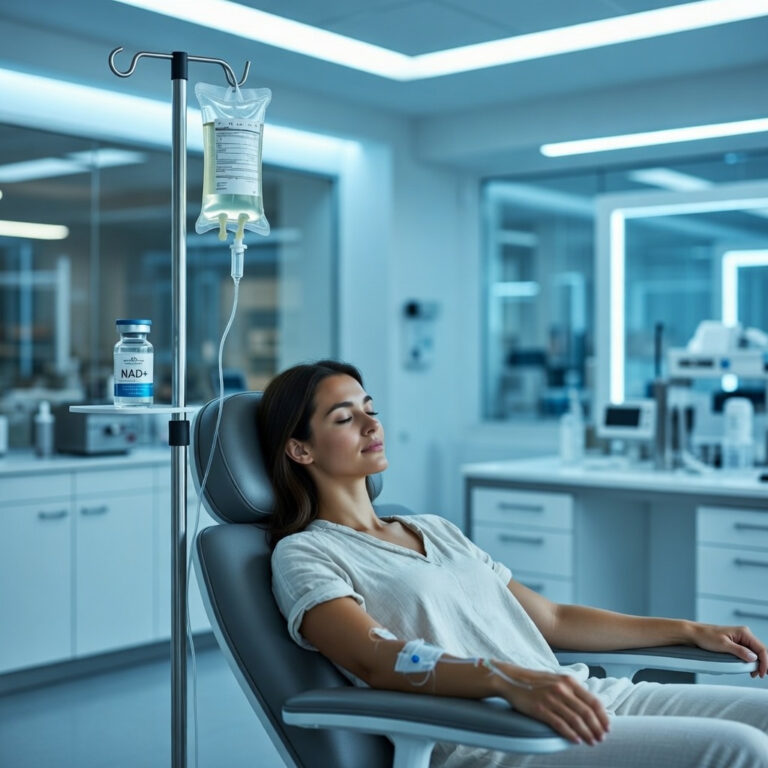
While vitamin D isn’t typically the primary component of IV drips (due to its fat-soluble nature), comprehensive IV therapy in Miami Gardens often includes complementary nutrients that support vitamin D function and overall wellness:
- Myers’ Cocktail: Includes B vitamins, vitamin C, magnesium, and calcium that work synergistically with vitamin D
- Immune boost formulations: Support immune function while vitamin D levels are being restored
- Custom wellness drips: Can be formulated with nutrients supporting bone health and vitamin D metabolism
Combination approach benefits:
- Addresses multiple nutritional deficiencies simultaneously
- Supports faster symptom resolution
- Improves overall energy and wellness during vitamin D restoration
- Physician-supervised for safety and efficacy
Common treatment mistake: Taking excessive doses without medical supervision. Vitamin D toxicity (hypervitaminosis D) causes calcium buildup, kidney damage, and other serious complications. Always follow physician-prescribed dosing.
What’s Included in Vitamin D Testing and Treatment at All In One Care Solutions
Comprehensive vitamin D assessment and treatment at All In One Care Solutions Medical Center in Miami Gardens combines diagnostic testing, personalized treatment planning, and ongoing monitoring to restore optimal levels safely and effectively.
Complete vitamin D care includes:
- Initial consultation: Medical history review, symptom assessment, and risk factor evaluation with bilingual providers
- Laboratory testing: 25-hydroxyvitamin D blood test with rapid in-house processing
- Results interpretation: Physician explains your levels, deficiency severity, and health implications
- Personalized treatment plan: Customized supplementation protocol based on your levels, lifestyle, and health goals
- Supplementation options: Oral vitamin D3, B12 injections, or IV therapy combinations
- Follow-up testing: Scheduled retesting to monitor response and adjust treatment
- Nutritional counseling: Dietary recommendations for vitamin D-rich foods and absorption optimization
- Preventive care integration: Vitamin D management as part of comprehensive primary care and wellness services
How It Works: Getting Tested and Treated for Vitamin D Deficiency
The process of identifying and correcting vitamin D deficiency follows a systematic approach that ensures accurate diagnosis, safe treatment, and effective monitoring for Miami Gardens residents.
Step-by-step vitamin D care:
- Schedule your appointment: Call (786) 446-9414 or book online for same-day availability at our Miami Gardens location
- Initial assessment: Physician evaluates symptoms, reviews medical history, discusses lifestyle factors (sun exposure, diet, indoor time)
- Blood draw: Quick, simple venipuncture for 25(OH)D testing, often combined with other wellness labs
- Results review: Receive your vitamin D levels within 24-48 hours; physician explains findings during follow-up consultation
- Treatment initiation: Begin prescribed supplementation (oral vitamin D3, injections, or IV therapy) based on deficiency severity
- Lifestyle modifications: Implement dietary changes, optimize supplement timing, address absorption factors
- Follow-up testing: Retest after 8-12 weeks to assess response; adjust treatment as needed to reach optimal range (30-50 ng/mL)
Timeline expectations:
- Mild deficiency (20-29 ng/mL): 6-8 weeks to optimal levels with standard supplementation
- Moderate deficiency (10-19 ng/mL): 8-12 weeks with higher-dose supplementation
- Severe deficiency (below 10 ng/mL): 12-16 weeks; may require prescription megadoses or injection therapy
Treatment is covered by: Most major insurance plans when medically necessary; discuss coverage during your visit.
Vitamin D-Rich Foods and Dietary Strategies for Miami Residents
While supplementation is often necessary to correct deficiency, incorporating vitamin D-rich foods supports long-term maintenance and overall nutritional wellness. Miami’s access to fresh seafood and fortified products provides dietary opportunities to complement therapeutic treatment.
Top dietary sources of vitamin D:
- Fatty fish: Salmon (570 IU per 3 oz), mackerel (360 IU), sardines (164 IU), tuna (154 IU)
- Cod liver oil: 1,360 IU per tablespoon (also rich in omega-3s)
- Egg yolks: 44 IU per large egg (from vitamin D-fed chickens)
- Fortified milk: 115-120 IU per cup (dairy and plant-based alternatives)
- Fortified orange juice: 100 IU per cup
- Fortified cereals: 40-100 IU per serving (check labels)
- Mushrooms exposed to UV light: Variable amounts (100-400 IU per serving)
- Beef liver: 42 IU per 3 oz serving
Realistic dietary limitations: Even an excellent diet provides only 200-400 IU daily for most people. Since deficiency correction requires 5,000-10,000 IU daily, and maintenance needs 1,000-2,000 IU, diet alone cannot correct deficiency but supports long-term maintenance.
Absorption optimization:
- Consume vitamin D with healthy fats (avocado, olive oil, nuts) to enhance absorption
- Pair with magnesium-rich foods (leafy greens, legumes) that support vitamin D metabolism
- Maintain adequate calcium intake for bone health benefits
- Consider timing: some evidence suggests morning supplementation improves absorption
Miami dining advantage: Fresh local seafood from markets and restaurants provides regular access to the highest-quality vitamin D sources. Grilled mahi-mahi, tuna poke, and salmon dishes offer both nutritional benefits and culinary enjoyment.
The Connection Between Vitamin D and Other Wellness Treatments
Vitamin D status affects and is affected by other nutritional and wellness interventions, making comprehensive care more effective than isolated treatment. At All In One Care Solutions, vitamin D optimization integrates with broader wellness services for synergistic health benefits.
Vitamin D and B12 interactions:
Both deficiencies cause similar symptoms (fatigue, weakness, mood changes) and often coexist. B12 injections in Miami combined with vitamin D supplementation address overlapping nutritional gaps more comprehensively than treating either alone.
Vitamin D and immune function:
Adequate vitamin D levels enhance immune response, reduce inflammation, and support recovery. Combining vitamin D restoration with immune boost IV therapy provides both immediate immune support and long-term protective benefits.
Vitamin D and NAD+ therapy:
NAD+ supports cellular energy production and metabolic function, while vitamin D regulates gene expression and cellular health. Some patients pursuing NAD therapy in Miami benefit from concurrent vitamin D optimization for enhanced cellular function.
Vitamin D and weight management:
Vitamin D deficiency correlates with obesity and metabolic dysfunction. Patients in weight loss programs may experience improved results when vitamin D levels are optimized alongside dietary and medication interventions.
Comprehensive wellness approach:
- Annual testing during preventive care visits
- Nutritional assessment including multiple vitamin levels
- Coordinated treatment addressing multiple deficiencies
- Lifestyle counseling supporting overall health goals
Preventing Vitamin D Deficiency: Long-Term Strategies for Miami Living
Maintaining optimal vitamin D levels in Miami requires intentional strategies that balance sun protection, supplementation, and lifestyle choices. Prevention is more effective and less costly than treating severe deficiency.
Sustainable prevention strategies:
- Year-round supplementation: Daily vitamin D3 (1,000-2,000 IU) for most adults, adjusted based on testing
- Strategic sun exposure: Brief (10-15 minutes) midday sun on arms and legs before applying sunscreen, 2-3 times weekly when feasible
- Regular testing: Annual vitamin D screening during comprehensive medical exams
- Dietary awareness: Regular consumption of fatty fish, fortified foods, and vitamin D-rich options
- Seasonal adjustments: Increase supplementation during periods of reduced outdoor time
- Medication review: Discuss vitamin D interactions with medications that affect absorption (statins, steroids, weight loss drugs)
For high-risk individuals:
- Darker skin tones: Higher baseline supplementation (2,000-4,000 IU daily)
- Indoor occupations: Consistent daily supplementation regardless of weekend outdoor activities
- Age 50+: Increased supplementation needs due to reduced synthesis capacity
- Obesity: Higher doses may be needed due to fat sequestration; physician guidance essential
- Malabsorption conditions: Consider injection or IV therapy rather than oral supplements
Cost-effective prevention: Daily vitamin D3 supplementation costs approximately $5-10 monthly, far less than treating deficiency complications or managing associated health conditions.
Common prevention mistake: Inconsistent supplementation. Taking vitamin D sporadically provides minimal benefit; daily consistency is essential for maintaining stable levels.
Frequently Asked Questions About Vitamin D Deficiency in Miami
Can you really be vitamin D deficient in Miami’s sunny climate?
Yes, vitamin D deficiency is common in Miami despite year-round sunshine because most residents spend the majority of daylight hours indoors where window glass blocks UVB rays, use sun protection that prevents vitamin D synthesis, and many have darker skin requiring extended sun exposure. Indoor lifestyles override climate advantages.
How long does it take to correct vitamin D deficiency?
Mild deficiency typically corrects in 6-8 weeks with daily supplementation of 2,000-5,000 IU. Moderate to severe deficiency requires 8-16 weeks with higher doses (5,000-10,000 IU daily or prescription megadoses). Your physician monitors progress through follow-up testing and adjusts treatment based on response.
Is vitamin D toxicity a real concern?
Vitamin D toxicity is rare but serious, occurring with prolonged intake above 10,000 IU daily or single megadoses without medical supervision. Symptoms include nausea, kidney damage, and dangerous calcium buildup. Always follow physician-prescribed dosing and never exceed recommendations without medical guidance.
Should I stop using sunscreen to increase vitamin D production?
No, never skip sunscreen for vitamin D purposes. Skin cancer risk and premature aging far outweigh vitamin D benefits from unprotected sun exposure. Instead, supplement with vitamin D3 while maintaining consistent sun protection. Brief strategic sun exposure (10-15 minutes before sunscreen) can be discussed with your physician based on individual risk factors.
What’s the difference between vitamin D2 and D3?
Vitamin D3 (cholecalciferol) is more effective at raising and maintaining blood levels than vitamin D2 (ergocalciferol). D3 is the form produced by skin in response to sunlight and is preferred for supplementation. Always choose D3 supplements unless specifically prescribed D2 by your physician.
Can I get vitamin D from tanning beds?
No, tanning beds primarily emit UVA rays that cause skin damage and cancer risk without producing significant vitamin D. The small amount of UVB in tanning beds doesn’t justify the substantial health risks. Supplementation is safer and more effective.
Do I need vitamin D if I take a multivitamin?
Most multivitamins contain only 400-800 IU of vitamin D, insufficient to correct deficiency or maintain optimal levels for many adults. If you’re deficient, you’ll need additional supplementation beyond your multivitamin. Testing determines your specific needs.
How does vitamin D deficiency affect mood and energy?
Vitamin D receptors exist throughout the brain, including areas regulating mood and energy. Deficiency correlates with depression, seasonal affective disorder, and chronic fatigue. Many patients report improved mood and energy within 4-6 weeks of starting supplementation, though individual responses vary.
Is vitamin D testing covered by insurance?
Most insurance plans cover vitamin D testing when medically indicated (symptoms, risk factors, chronic conditions, or routine screening). Coverage varies by plan; our billing team verifies benefits before testing. Self-pay testing is also available at affordable rates.
Can children and teenagers be vitamin D deficient in Miami?
Yes, children and teens face similar risk factors: indoor schooling, screen time, sun protection, and darker skin tones. Pediatric vitamin D deficiency affects bone development, immune function, and growth. Parents should discuss testing and age-appropriate supplementation with their child’s physician.
What vitamin D level should I aim for?
Most physicians recommend maintaining levels between 30-50 ng/mL for optimal health. Some functional medicine practitioners suggest 40-60 ng/mL. Levels below 20 ng/mL indicate deficiency requiring treatment. Your physician determines your target range based on individual health factors.
How quickly will I feel better after starting vitamin D supplementation?
Most patients notice improved energy and mood within 3-6 weeks of starting supplementation. Bone pain and muscle weakness may take 8-12 weeks to improve. Immune function benefits develop gradually over several months. Consistency is essential for experiencing benefits.
Conclusion
Vitamin D deficiency in Miami challenges the assumption that sunny climates guarantee adequate vitamin D status. Indoor lifestyles, sun protection practices, and skin pigmentation create widespread deficiency across Miami Gardens and Miami-Dade County, affecting energy, immunity, bone health, and overall wellness. Professional testing through comprehensive medical care identifies deficiency accurately, while physician-supervised supplementation—whether through oral vitamin D3, injections, or integrated IV therapy—restores optimal levels safely and effectively.
Miami residents who prioritize preventive care, maintain consistent supplementation, and integrate vitamin D optimization into broader wellness strategies experience better health outcomes, improved energy, and reduced risk of deficiency-related complications. The paradox of vitamin D deficiency in South Florida resolves through awareness, testing, and proactive treatment rather than relying on climate alone.
Take action today: Schedule vitamin D testing as part of your next wellness visit, discuss supplementation options that fit your lifestyle, and address this common but overlooked nutritional deficiency affecting thousands of Miami residents.
Book your session at All In One Care Solutions Medical Center — same-day appointments available.
📍 16191 NW 57 Ave, Miami Gardens, FL 33014
📞 (786) 446-9414
🌐 allinonecaresolutions.com
Hablamos Español — Bilingual care available.