What Is a Hormone Panel Test and Do You Need One in Miami
Last updated: March 7, 2026
Hormones control nearly every function in the body, from energy levels and metabolism to mood and sleep quality. When hormone levels fall out of balance, the effects can be subtle at first but eventually impact daily life in significant ways. A hormone panel test measures specific hormone levels in the blood to identify imbalances that may be causing unexplained symptoms. For adults in Miami Gardens and throughout Miami-Dade County, understanding what is a hormone panel test and do you need one in Miami can be the first step toward reclaiming optimal wellness and vitality.
Many people struggle with fatigue, weight changes, brain fog, or mood swings without realizing these symptoms may stem from hormonal imbalances. Rather than guessing or treating symptoms individually, a comprehensive hormone panel provides concrete data that allows healthcare providers to develop targeted treatment plans—often incorporating therapies like IV therapy, NAD+ therapy, and vitamin supplementation to support hormonal health.
Key Takeaways
- Hormone panel tests measure multiple hormone levels through a simple blood draw to identify imbalances affecting energy, weight, mood, and overall health
- Common hormones tested include thyroid hormones (TSH, T3, T4), sex hormones (testosterone, estrogen, progesterone), cortisol, DHEA, and vitamin D
- Ideal candidates include adults experiencing unexplained fatigue, weight changes, mood swings, sleep issues, low libido, or irregular menstrual cycles
- Testing is quick and convenient at licensed medical facilities in Miami Gardens, with results typically available within 3-5 business days
- Treatment options often combine hormone optimization with supportive therapies like B12 injections, NAD+ IV therapy, and comprehensive wellness programs
- Physician supervision ensures accurate interpretation of results and personalized treatment plans based on individual health goals
- Preventive benefits include early detection of thyroid disorders, adrenal dysfunction, and reproductive health issues before they become severe
- Insurance coverage varies, but many wellness clinics offer transparent pricing and package options for hormone testing and follow-up care
Quick Answer
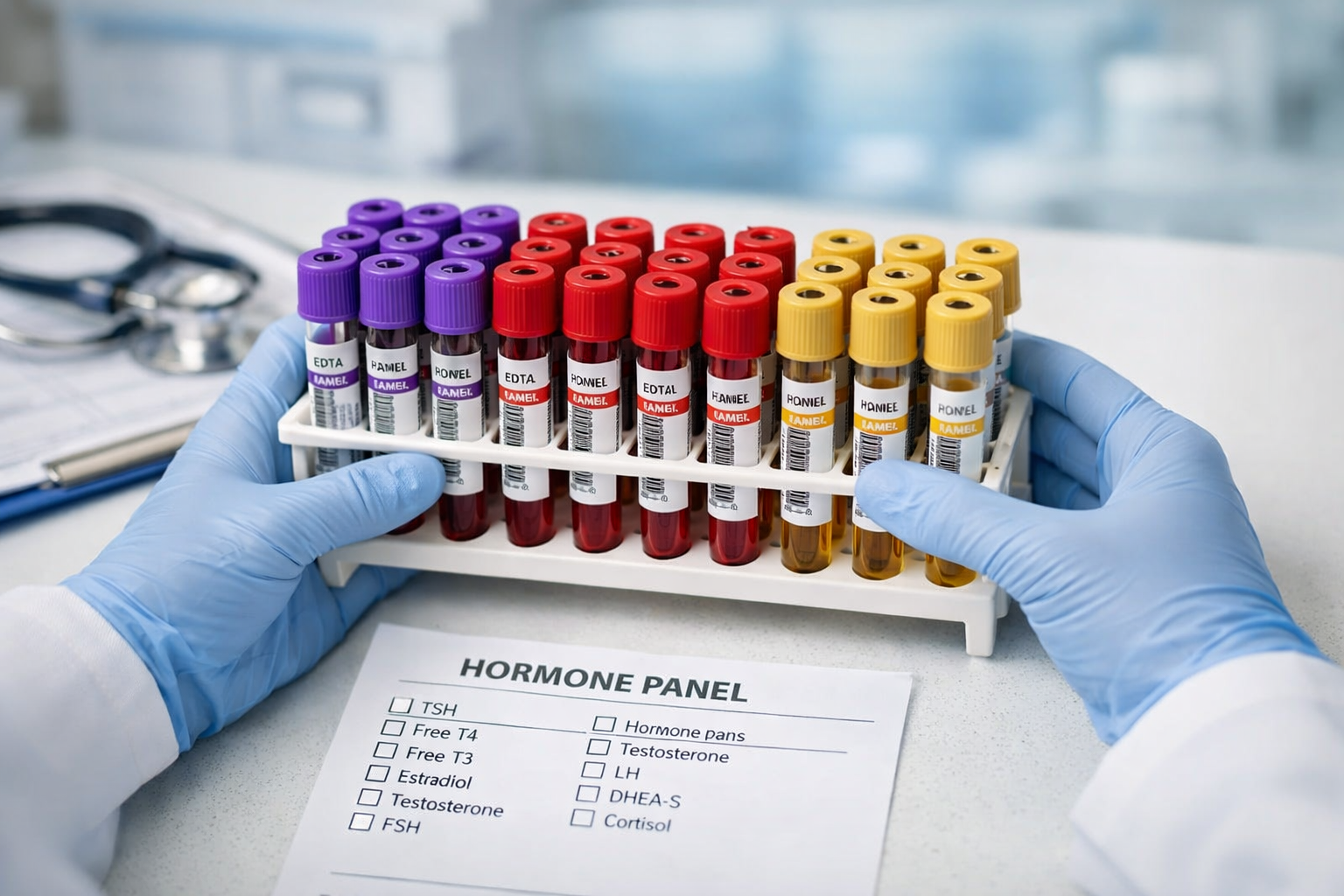
A hormone panel test is a comprehensive blood test that measures multiple hormone levels simultaneously to identify imbalances that may be causing symptoms like fatigue, weight gain, mood changes, or low energy. These tests typically evaluate thyroid function, sex hormones, stress hormones, and metabolic markers. Adults in Miami experiencing unexplained symptoms, those over 35, or anyone interested in optimizing wellness may benefit from hormone testing. The process involves a simple blood draw at a licensed medical facility, with results reviewed by a physician who can recommend personalized treatment plans including hormone optimization, IV therapy, and lifestyle modifications.
What Exactly Is a Hormone Panel Test?
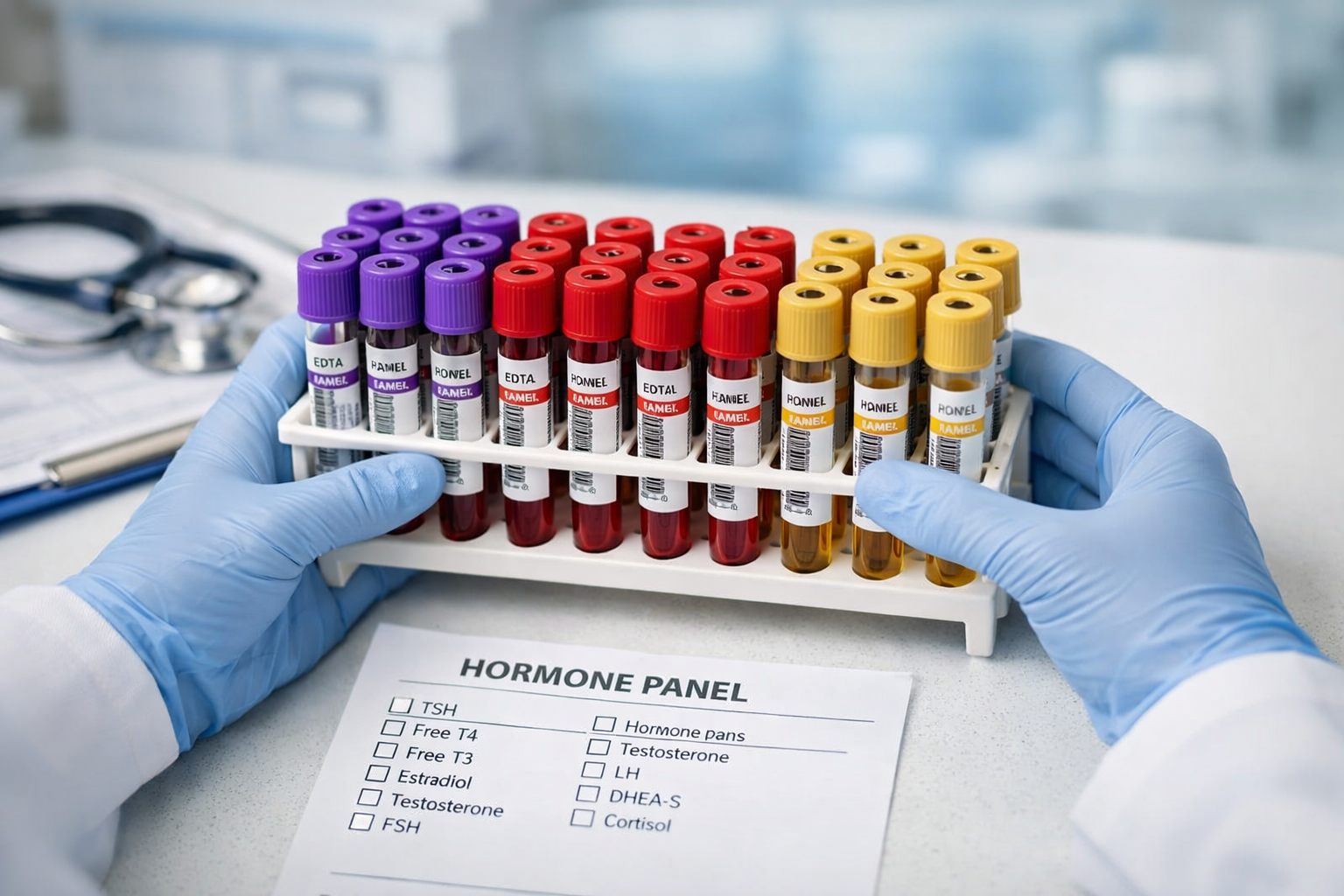
A hormone panel test is a comprehensive blood analysis that measures the levels of multiple hormones circulating in the body at a specific point in time. Unlike single-hormone tests that focus on one marker, a hormone panel provides a complete picture of how various hormonal systems are functioning and interacting. This comprehensive approach is essential because hormones work together in complex feedback loops—an imbalance in one hormone often affects others.
The test requires a blood sample, typically drawn from a vein in the arm during a quick office visit. The sample is then sent to a certified laboratory where specialized equipment measures precise hormone concentrations. Results are reported with reference ranges that indicate normal, low, or high levels for each hormone based on age, sex, and other factors.
Standard hormone panels typically include:
- Thyroid hormones (TSH, Free T3, Free T4) – regulate metabolism, energy production, and body temperature
- Sex hormones (testosterone, estrogen, progesterone) – control reproductive function, libido, muscle mass, and mood
- Cortisol – the primary stress hormone that affects energy, immune function, and inflammation
- DHEA – a precursor hormone that declines with age and affects vitality
- Vitamin D – technically a hormone that influences bone health, immunity, and mood
- Insulin and glucose – markers of metabolic health and diabetes risk
More comprehensive panels may also measure growth hormone, melatonin, leptin, or other specialized markers depending on symptoms and health goals.
The value of hormone testing lies in its ability to reveal hidden imbalances before they progress to serious disease. Many people live with suboptimal hormone levels for years, attributing symptoms to aging or stress when targeted interventions could restore balance and vitality.
Who Should Consider Getting a Hormone Panel Test in Miami?
Hormone testing isn’t just for people with diagnosed endocrine disorders. Many adults can benefit from understanding their hormone status, especially those experiencing symptoms that suggest imbalance or those interested in proactive wellness optimization.
Consider hormone testing if you experience:
- Persistent fatigue that doesn’t improve with rest or sleep
- Unexplained weight gain or difficulty losing weight despite diet and exercise efforts
- Mood changes including depression, anxiety, irritability, or emotional instability
- Sleep disturbances such as insomnia or non-restorative sleep
- Low libido or sexual dysfunction
- Brain fog, poor concentration, or memory issues
- Hair loss or changes in hair texture
- Irregular menstrual cycles or severe PMS symptoms (for women)
- Hot flashes or night sweats
- Muscle weakness or loss of muscle mass
- Skin changes including excessive dryness or acne
Age and life stage considerations:
Women approaching or experiencing perimenopause (typically ages 35-50) often benefit from hormone testing as estrogen and progesterone levels begin to fluctuate. Men over 40 may experience declining testosterone levels, a condition sometimes called andropause. Both situations can significantly impact quality of life but are highly treatable when properly diagnosed.
Athletes and fitness enthusiasts may use hormone panels to optimize performance and recovery. Individuals with family histories of thyroid disease, diabetes, or other endocrine conditions should consider baseline testing even without symptoms.
Choose hormone testing if you’re:
- Over age 35 and experiencing new or worsening symptoms
- Struggling with weight management despite healthy lifestyle habits
- Dealing with chronic stress that affects daily functioning
- Planning pregnancy and want to optimize reproductive health
- Interested in anti-aging and longevity strategies
- Already receiving wellness treatments and want to maximize results
Common mistake to avoid: Waiting until symptoms become severe before testing. Hormone imbalances typically develop gradually, and early intervention produces better outcomes with less aggressive treatment.
What Hormones Are Included in a Standard Panel?
The specific hormones measured depend on the type of panel ordered and individual health concerns. Healthcare providers customize testing based on symptoms, age, sex, and wellness goals.
Thyroid Hormones:
- TSH (Thyroid Stimulating Hormone) – produced by the pituitary gland to regulate thyroid function; elevated levels suggest hypothyroidism while low levels indicate hyperthyroidism
- Free T4 (Thyroxine) – the inactive form of thyroid hormone; measures thyroid gland output
- Free T3 (Triiodothyronine) – the active thyroid hormone that directly affects metabolism; some people convert T4 to T3 poorly, causing symptoms despite normal TSH
- Thyroid antibodies (TPO, TgAb) – when included, these identify autoimmune thyroid conditions like Hashimoto’s disease
Sex Hormones:
- Testosterone (total and free) – essential for both men and women; affects muscle mass, bone density, libido, energy, and mood
- Estradiol – the primary estrogen; critical for reproductive health, bone density, cardiovascular function, and cognitive health in women
- Progesterone – balances estrogen effects; important for menstrual regularity, fertility, and mood stability
- DHEA-S – an androgen precursor that declines with age; affects energy, immune function, and overall vitality
- SHBG (Sex Hormone Binding Globulin) – a protein that binds sex hormones, affecting how much is available for use
Stress and Metabolic Hormones:
- Cortisol – typically measured in the morning when levels should be highest; chronic stress causes dysregulation
- Insulin – measures how effectively the body manages blood sugar; insulin resistance is a precursor to diabetes
- Fasting glucose – another marker of blood sugar control and diabetes risk
- Hemoglobin A1C – reflects average blood sugar over 2-3 months
Additional Markers:
- Vitamin D (25-hydroxyvitamin D) – deficiency is extremely common in Florida despite sunny weather and affects immunity, bone health, and mood
- IGF-1 – reflects growth hormone status; declines with age
- Prolactin – elevated levels can suppress sex hormones and cause reproductive issues
Comprehensive panels may include additional markers based on specific concerns. For example, women with PCOS might have additional androgen testing, while those with suspected adrenal fatigue might undergo four-point cortisol testing throughout the day.
How Does the Hormone Testing Process Work in Miami Gardens?
Getting a hormone panel test in Miami is straightforward and convenient when working with an experienced primary care provider or wellness clinic.
Step 1: Initial Consultation
Schedule an appointment with a licensed healthcare provider who specializes in hormone health. During this visit, discuss symptoms, health history, medications, and wellness goals. The provider will determine which hormones to test based on this information. This consultation may be in-person or via telemedicine for convenience.
Step 2: Pre-Test Preparation
Some hormone tests require fasting (typically 8-12 hours) for accurate results, particularly when measuring insulin and glucose. Thyroid and sex hormone tests may need to be drawn at specific times of day or during particular phases of the menstrual cycle for women. The provider will give clear instructions about timing, fasting requirements, and whether to temporarily discontinue certain supplements or medications.
Step 3: Blood Draw
Visit the clinic or medical laboratory for the blood draw. A trained phlebotomist will collect samples, typically from a vein in the arm. The process takes just a few minutes and causes minimal discomfort. Multiple vials may be needed to test different hormones.
Step 4: Laboratory Analysis
Samples are sent to a certified laboratory where specialized equipment measures hormone concentrations with high precision. Most results are available within 3-5 business days, though some specialized tests may take longer.
Step 5: Results Review and Consultation
Once results are available, schedule a follow-up appointment to review findings with the healthcare provider. The provider will explain what each result means, how hormones are interacting, and whether levels fall within optimal ranges. This is not just about “normal” versus “abnormal”—optimal hormone levels for wellness and vitality may differ from standard reference ranges.
Step 6: Personalized Treatment Plan
Based on results, the provider develops a customized treatment plan. This may include bioidentical hormone replacement, lifestyle modifications, nutritional changes, stress management techniques, targeted supplementation, or supportive therapies like B12 injections or NAD+ IV therapy to enhance hormone function and overall wellness.
Step 7: Follow-Up Testing
After beginning treatment, follow-up testing (typically after 6-12 weeks) confirms that interventions are working and hormone levels are moving toward optimal ranges. Adjustments are made as needed to fine-tune the approach.
Pro tip: Choose a clinic that offers comprehensive medical exams and in-house laboratory services for faster results and coordinated care.
What Conditions Can Hormone Panel Tests Detect?
Hormone testing serves both diagnostic and preventive purposes, identifying existing conditions and revealing early warning signs before disease develops.
Thyroid Disorders:
- Hypothyroidism – underactive thyroid causing fatigue, weight gain, cold intolerance, and depression
- Hyperthyroidism – overactive thyroid leading to weight loss, anxiety, rapid heartbeat, and heat intolerance
- Hashimoto’s thyroiditis – autoimmune condition causing gradual thyroid destruction
- Subclinical thyroid dysfunction – borderline abnormal levels that may benefit from treatment even before meeting diagnostic criteria
Reproductive and Sex Hormone Imbalances:
- Low testosterone in men (hypogonadism) – causing low energy, reduced muscle mass, decreased libido, and mood changes
- Estrogen dominance – excess estrogen relative to progesterone, common in perimenopause
- PCOS (Polycystic Ovary Syndrome) – characterized by elevated androgens, irregular periods, and metabolic issues
- Premature ovarian insufficiency – early decline in ovarian function before age 40
- Male andropause – age-related testosterone decline
Adrenal and Stress-Related Conditions:
- Adrenal fatigue or HPA axis dysfunction – disrupted cortisol patterns from chronic stress
- Cushing’s syndrome – excess cortisol production
- Addison’s disease – insufficient cortisol production (rare but serious)
Metabolic Disorders:
- Insulin resistance – precursor to type 2 diabetes
- Prediabetes and diabetes – identified through glucose, insulin, and A1C testing
- Metabolic syndrome – cluster of conditions increasing cardiovascular risk
Other Conditions:
- Growth hormone deficiency – affecting body composition, energy, and recovery
- Vitamin D deficiency – extremely common and affecting multiple body systems
- Hyperprolactinemia – elevated prolactin suppressing sex hormones
Early detection through hormone testing allows for intervention before conditions progress. For example, identifying insulin resistance early enables lifestyle changes and treatments that may prevent diabetes development. Similarly, detecting subclinical hypothyroidism allows treatment that prevents progression to full thyroid failure.
Edge case: Some people have symptoms of hormone imbalance despite “normal” test results. This may indicate that their optimal levels differ from population averages, or that timing of testing didn’t capture fluctuations. Experienced providers consider symptoms alongside lab values when developing treatment plans.
How Do Hormone Imbalances Relate to IV Therapy and Wellness Treatments?
Hormone optimization works synergistically with other wellness therapies to enhance overall health and vitality. Many Miami residents combine hormone testing and treatment with complementary services for comprehensive wellness support.
NAD+ IV Therapy and Hormone Function:
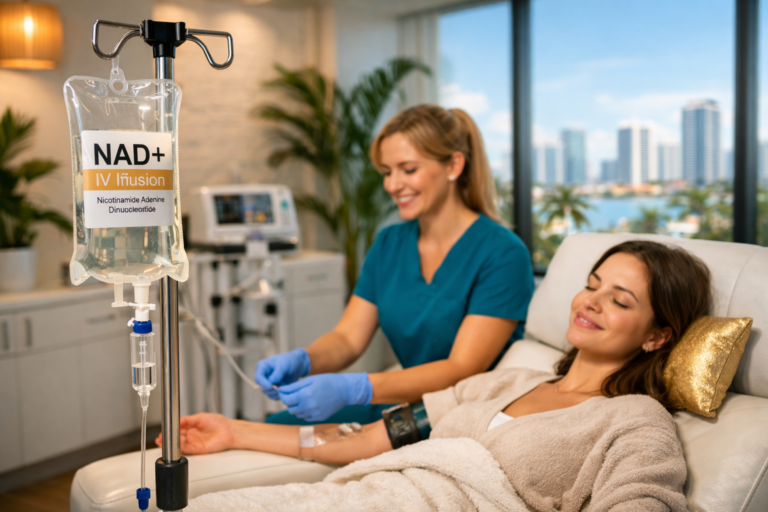
NAD+ therapy supports cellular energy production and DNA repair, processes that decline with age alongside hormone levels. NAD+ infusions may enhance the body’s ability to produce and utilize hormones efficiently. Many patients report improved energy, mental clarity, and overall vitality when combining NAD+ therapy with hormone optimization—the two approaches address cellular health from different angles.
B12 and Nutrient Support:
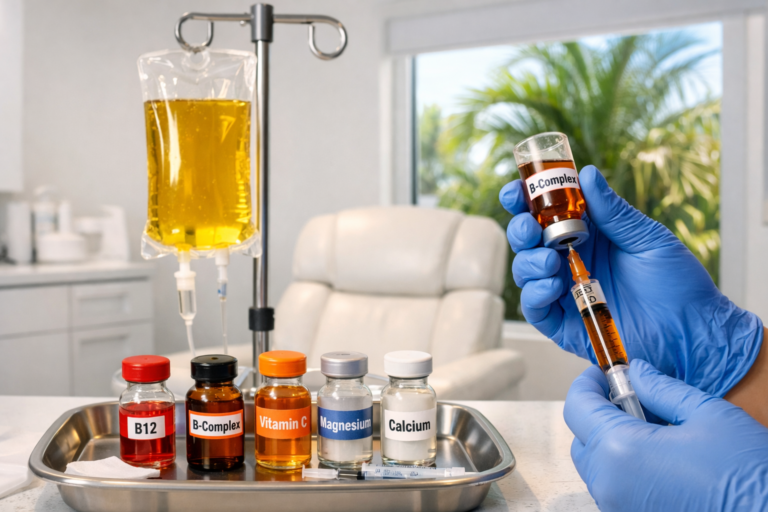
Vitamin B12 is essential for energy production, nervous system function, and red blood cell formation. B12 injections complement hormone therapy by addressing nutritional deficiencies that may worsen hormone-related symptoms. Similarly, other nutrients like vitamin D, magnesium, and zinc play crucial roles in hormone synthesis and function.
Myers’ Cocktail and Hormonal Wellness:
The Myers’ Cocktail delivers a combination of vitamins and minerals that support adrenal function, energy production, and stress resilience. This can be particularly beneficial for individuals with cortisol dysregulation or those experiencing fatigue related to hormone imbalances.
Immune Support and Hormonal Health:
Chronic inflammation and immune dysfunction can disrupt hormone balance. Immune boost IV therapy provides high-dose vitamin C and other nutrients that support immune function and reduce inflammation, creating a healthier environment for hormone optimization.
Weight Loss Programs:
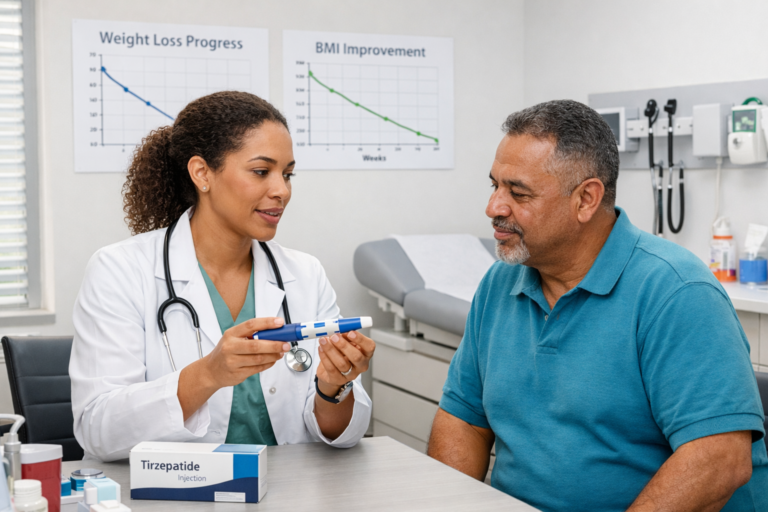
Hormone imbalances, particularly involving thyroid, insulin, and sex hormones, significantly affect body composition and weight management. Comprehensive weight loss programs that address hormonal factors alongside nutrition and lifestyle produce better results than diet and exercise alone.
Integrated Approach Benefits:
- Faster symptom relief – addressing multiple factors simultaneously
- Enhanced treatment effectiveness – therapies work synergistically
- Comprehensive wellness – treating root causes rather than isolated symptoms
- Personalized protocols – tailored to individual test results and health goals
Many wellness-focused clinics in Miami Gardens offer IV therapy membership programs that make regular treatments more affordable when combined with hormone optimization protocols.
What’s Included in Hormone Panel Testing at a Miami Wellness Clinic?
When choosing a provider for hormone testing in Miami Gardens, understanding what’s included in the service ensures a comprehensive and valuable experience.
Comprehensive hormone panel testing typically includes:
- Initial health assessment – thorough review of symptoms, medical history, medications, and wellness goals with a licensed healthcare provider
- Customized test selection – provider determines which hormones to measure based on individual needs rather than one-size-fits-all panels
- Professional blood draw – performed by certified phlebotomist in a comfortable, clean medical environment
- Certified laboratory analysis – samples processed at accredited labs using state-of-the-art equipment for accurate results
- Detailed results interpretation – comprehensive review session where provider explains findings in understandable terms
- Personalized treatment recommendations – evidence-based protocols tailored to test results and individual health goals
- Follow-up care coordination – ongoing support, treatment monitoring, and adjustment as needed
- Access to complementary therapies – integration with IV therapy, nutritional counseling, and other wellness services when beneficial
- Bilingual support – many Miami clinics offer services in both English and Spanish for patient convenience
Additional services that enhance the hormone testing experience:
- Same-day appointments for initial consultations and blood draws
- In-house laboratory services for faster turnaround on results
- Telemedicine options for convenient follow-up consultations
- Transparent pricing with package options for testing and treatment
- Physician supervision of all testing and treatment protocols
- Comprehensive wellness approach addressing lifestyle, nutrition, stress management, and other factors affecting hormone health
Quality hormone testing goes beyond simply ordering labs—it involves expert interpretation, personalized treatment planning, and ongoing support to achieve optimal results.
How Much Does Hormone Panel Testing Cost in Miami?
The cost of hormone testing varies based on the number of hormones measured, the laboratory used, and whether insurance coverage applies.
Typical pricing ranges in Miami (2026):
- Basic thyroid panel (TSH, Free T4) – $50-$100
- Comprehensive thyroid panel (TSH, Free T3, Free T4, antibodies) – $150-$250
- Sex hormone panel (testosterone, estrogen, progesterone, DHEA) – $200-$350
- Complete hormone panel (thyroid, sex hormones, cortisol, vitamin D, metabolic markers) – $350-$600
- Advanced wellness panel (comprehensive hormones plus nutritional markers) – $500-$800
Insurance considerations:
Many insurance plans cover hormone testing when medically necessary—meaning symptoms or risk factors justify the tests. Coverage typically requires:
- Testing ordered by a licensed healthcare provider
- Documentation of symptoms or medical indications
- Use of in-network laboratories
- Prior authorization for some tests
Preventive or wellness-focused testing without specific symptoms may not be covered, making out-of-pocket payment necessary. However, many clinics offer package pricing that makes comprehensive testing affordable.
Factors affecting cost:
- Number of hormones tested
- Laboratory used (in-house versus send-out)
- Provider consultation fees
- Follow-up testing frequency
- Treatment costs (separate from testing)
Cost-saving strategies:
- Ask about package pricing for testing plus initial treatment
- Consider IV therapy membership programs that include discounted wellness services
- Schedule testing during wellness promotions
- Use in-network providers when insurance coverage applies
- Focus on targeted panels based on symptoms rather than exhaustive testing
Value consideration: While cost matters, the value of identifying and treating hormone imbalances that affect quality of life daily often far exceeds the testing investment. Untreated hormone problems can lead to more serious health conditions that are costlier to manage long-term.
Reputable clinics provide transparent pricing upfront and discuss options that fit individual budgets and health needs.
Frequently Asked Questions About Hormone Panel Testing in Miami
How long does it take to get hormone test results?
Most hormone panel results are available within 3-5 business days after the blood draw. Some specialized tests may take 7-10 days. Clinics with in-house laboratory capabilities often provide faster turnaround times. Once results are ready, the healthcare provider will schedule a consultation to review findings and discuss next steps.
Do I need to fast before a hormone panel test?
Fasting requirements depend on which hormones are being tested. Thyroid and sex hormone tests typically don’t require fasting. However, if the panel includes insulin, glucose, or lipid markers, an 8-12 hour fast is usually necessary. The provider will give specific instructions when scheduling the test. Water is typically allowed during fasting periods.
Can hormone testing be done during menstruation?
For women, timing of hormone testing relative to the menstrual cycle matters for sex hormone accuracy. Providers typically recommend testing on specific cycle days—often day 3-5 for baseline levels or day 19-21 for progesterone. Thyroid, cortisol, and vitamin D can be tested any time. Postmenopausal women can be tested at any time since hormone levels no longer fluctuate cyclically.
What’s the difference between saliva, urine, and blood hormone testing?
Blood testing is the gold standard for most hormones, providing the most accurate measurement of circulating hormone levels. Saliva testing may be used for cortisol patterns throughout the day. Urine testing can measure hormone metabolites. Blood tests are most commonly used in clinical practice and accepted by insurance when coverage applies.
How often should hormone levels be retested?
After starting treatment, follow-up testing typically occurs 6-12 weeks later to confirm levels are moving toward optimal ranges. Once stable, annual testing is common for monitoring. However, if symptoms change or new concerns arise, more frequent testing may be warranted. The provider will recommend an appropriate schedule based on individual circumstances.
Can men benefit from hormone panel testing?
Absolutely. Men experience hormone changes with age, particularly declining testosterone levels starting around age 30-40. Low testosterone affects energy, muscle mass, bone density, libido, mood, and cognitive function. Thyroid disorders, vitamin D deficiency, and insulin resistance also affect men. Hormone testing helps identify these issues for targeted treatment.
Will insurance cover hormone testing?
Coverage depends on the insurance plan and medical necessity. When testing is ordered due to symptoms or risk factors, many plans provide coverage. Preventive or wellness testing may not be covered. Contact the insurance provider to verify coverage, and ask the clinic whether they accept the specific plan. Many wellness clinics offer affordable self-pay options when insurance doesn’t apply.
What happens if my hormone levels are abnormal?
The provider will explain what the results mean and recommend appropriate next steps. Treatment options may include bioidentical hormone replacement, lifestyle modifications, nutritional changes, stress management, targeted supplementation, or supportive therapies like IV vitamin infusions. The approach is personalized based on which hormones are affected and individual health goals.
Are there side effects from hormone testing?
The blood draw itself may cause minor bruising or soreness at the needle site, but serious complications are extremely rare. Some people feel lightheaded during or after blood draws—this is temporary and resolves quickly. There are no side effects from the hormone measurements themselves.
Can I get hormone testing without a doctor’s referral?
Many wellness clinics and primary care providers offer direct-access hormone testing without requiring a referral from another physician. However, a consultation with a licensed healthcare provider is necessary to order appropriate tests and interpret results accurately. This ensures testing is medically appropriate and results are properly evaluated.
How do I prepare for my hormone testing appointment?
Follow any fasting instructions provided. Bring a list of current medications and supplements, as some can affect hormone levels. Note symptoms experienced and when they occur. Wear comfortable clothing with sleeves that roll up easily for the blood draw. Arrive well-hydrated, which makes the blood draw easier. Bring insurance information if applicable.
What’s the difference between optimal and normal hormone levels?
Laboratory reference ranges indicate “normal” based on population averages, which include many people with suboptimal health. “Optimal” levels represent ranges associated with peak function, energy, and wellness. An experienced provider considers both lab ranges and symptoms when determining whether treatment is beneficial, even if levels fall within normal ranges.
Conclusion
Understanding what is a hormone panel test and do you need one in Miami empowers adults in Miami Gardens and throughout Miami-Dade County to take control of their health and wellness. Hormone testing provides valuable insights into the complex biochemical systems that affect energy, mood, weight, sleep, libido, and overall quality of life. Rather than accepting unexplained symptoms as inevitable consequences of aging or stress, hormone testing reveals specific imbalances that can be addressed with targeted interventions.
The testing process is straightforward—a simple blood draw provides comprehensive data about thyroid function, sex hormones, stress hormones, and metabolic health. Results guide personalized treatment plans that may include hormone optimization, lifestyle modifications, nutritional support, and complementary therapies like NAD+ IV therapy, B12 injections, and immune support infusions.
Whether experiencing specific symptoms or simply interested in optimizing wellness and longevity, hormone panel testing offers a data-driven approach to health that goes beyond guesswork. Working with experienced providers who offer comprehensive care—from testing through treatment and ongoing monitoring—ensures the best possible outcomes.
Take the next step toward hormonal balance and optimal wellness today.
Book your hormone panel test at All In One Care Solutions Medical Center — same-day appointments available.
📍 16191 NW 57 Ave, Miami Gardens, FL 33014
📞 (786) 446-9414
🌐 allinonecaresolutions.com
Hablamos Español — Bilingual care available.