How to Lower Cholesterol Naturally
Last updated: July 2, 2026
Quick Answer: Lowering cholesterol naturally involves consistent changes to diet, physical activity, body weight, and daily habits. Most adults with mildly to moderately elevated LDL cholesterol can see measurable improvement within 3 to 6 months through these lifestyle modifications, though the right approach depends on individual risk factors and baseline numbers. Medical supervision is recommended to track progress and determine whether medication is also needed.
Key Takeaways
- LDL (“bad”) cholesterol above 130 mg/dL is generally considered borderline high; above 160 mg/dL requires active management.
- Replacing saturated fats with unsaturated fats is the single most impactful dietary change for lowering LDL cholesterol naturally.
- Soluble fiber, found in oats, beans, and flaxseed, directly reduces LDL by binding cholesterol in the digestive tract.
- Regular aerobic exercise raises HDL (“good”) cholesterol and can lower LDL by 5 to 10 percent, according to the American Heart Association.
- Natural supplements such as plant sterols, psyllium, and omega-3 fatty acids have clinical evidence supporting their cholesterol-lowering effects.
- Weight loss of even 5 to 10 percent of body weight can meaningfully improve the full cholesterol panel.
- Diet changes alone typically take 3 to 6 months to show significant results; consistency matters more than perfection.
- Some people have genetic conditions (familial hypercholesterolemia) that make natural methods insufficient on their own.
- Cholesterol should be checked every 4 to 6 years for healthy adults, and more frequently for those with risk factors.
- A primary care physician can run a full lipid panel, interpret results in context, and build a personalized plan combining natural and medical options.
What Is Cholesterol and Why Does It Matter
Cholesterol is a waxy, fat-like substance produced by the liver and found in certain foods. The body needs it to build cell membranes, produce hormones, and support digestion. The problem is not cholesterol itself — it is when certain types accumulate in the bloodstream at levels that damage arteries.
When LDL cholesterol builds up in artery walls, it forms plaques that narrow blood vessels and restrict blood flow. Over time, this raises the risk of heart attack and stroke. HDL cholesterol, by contrast, carries excess cholesterol back to the liver for removal. A healthy cholesterol profile means keeping LDL low and HDL relatively high.
In the United States, heart disease remains the leading cause of death. High cholesterol is a major contributing factor, yet it produces no symptoms — which is why regular lab testing and preventive care are essential, particularly for adults over 30.
How Much Cholesterol Is Too High
For most adults, the following thresholds apply based on standard clinical guidelines:
| Cholesterol Type | Desirable | Borderline High | High / At-Risk |
|---|---|---|---|
| Total Cholesterol | Below 200 mg/dL | 200–239 mg/dL | 240 mg/dL or above |
| LDL Cholesterol | Below 100 mg/dL | 130–159 mg/dL | 160 mg/dL or above |
| HDL Cholesterol | 60 mg/dL or above (protective) | 41–59 mg/dL | Below 40 mg/dL (risk factor) |
| Triglycerides | Below 150 mg/dL | 150–199 mg/dL | 200 mg/dL or above |
These numbers do not exist in isolation. A person with diabetes, hypertension, or a family history of early heart disease may need tighter LDL targets (below 70 mg/dL in high-risk cases). A primary care provider interprets these results in the context of the full clinical picture, not just a single number.
What Is the Difference Between LDL and HDL Cholesterol
LDL (low-density lipoprotein) deposits cholesterol in artery walls, while HDL (high-density lipoprotein) removes it. Think of LDL as the delivery truck and HDL as the cleanup crew.
Most natural and medical strategies to lower cholesterol naturally focus on two goals: reducing LDL and raising HDL. These goals are often achieved through the same lifestyle changes, but they respond differently to specific interventions. For example, aerobic exercise is particularly effective at raising HDL, while reducing saturated fat intake has a stronger effect on lowering LDL.
Triglycerides are a third component of the lipid panel. Elevated triglycerides (often linked to excess sugar, alcohol, and refined carbohydrates) add independent cardiovascular risk and are also addressed through diet and exercise.
Best Foods to Eat to Lower Cholesterol Naturally
Diet is the most accessible and well-studied tool for lowering cholesterol naturally. The most effective dietary strategy is replacing saturated and trans fats with unsaturated fats while increasing soluble fiber intake.
Foods that actively lower LDL cholesterol:
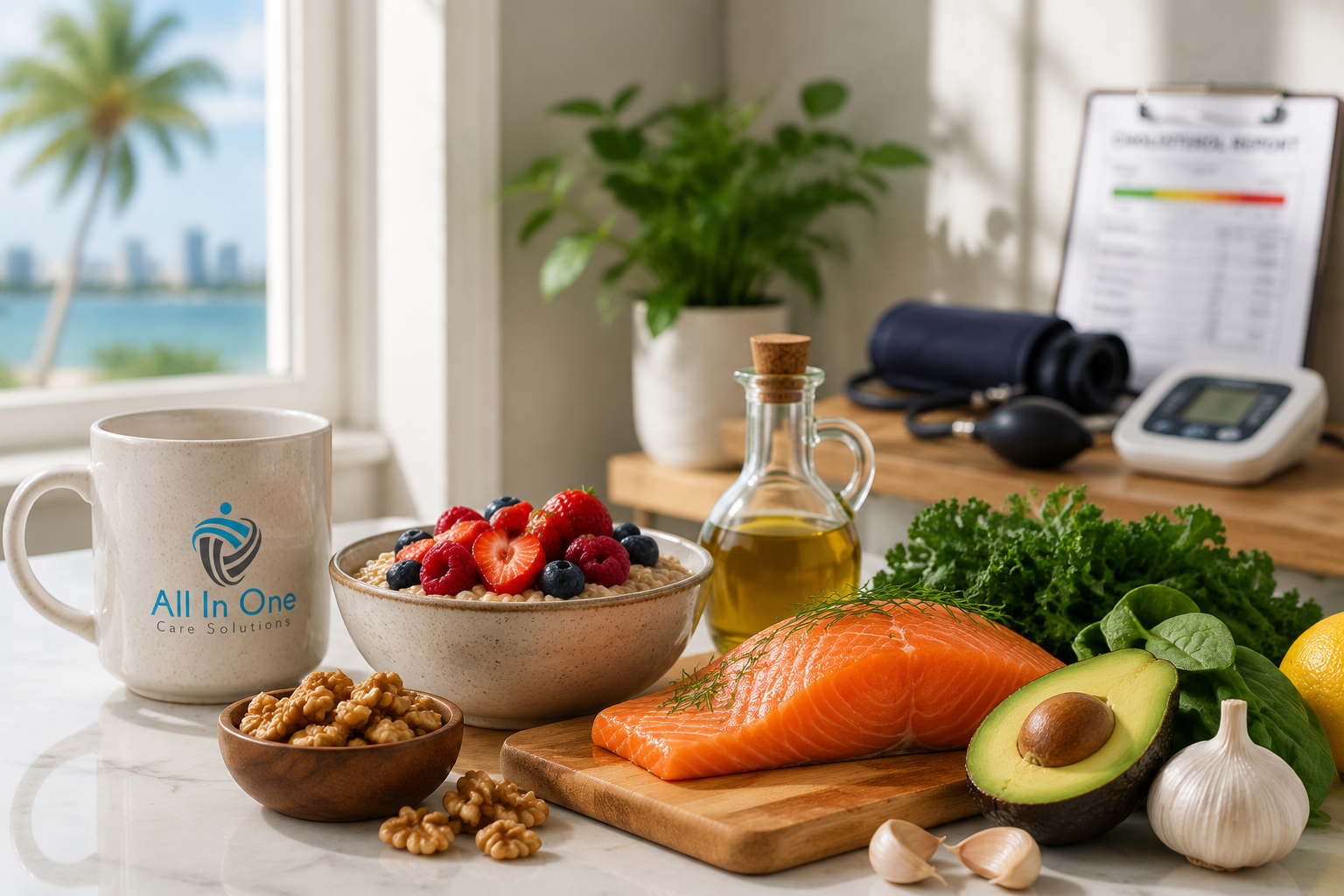
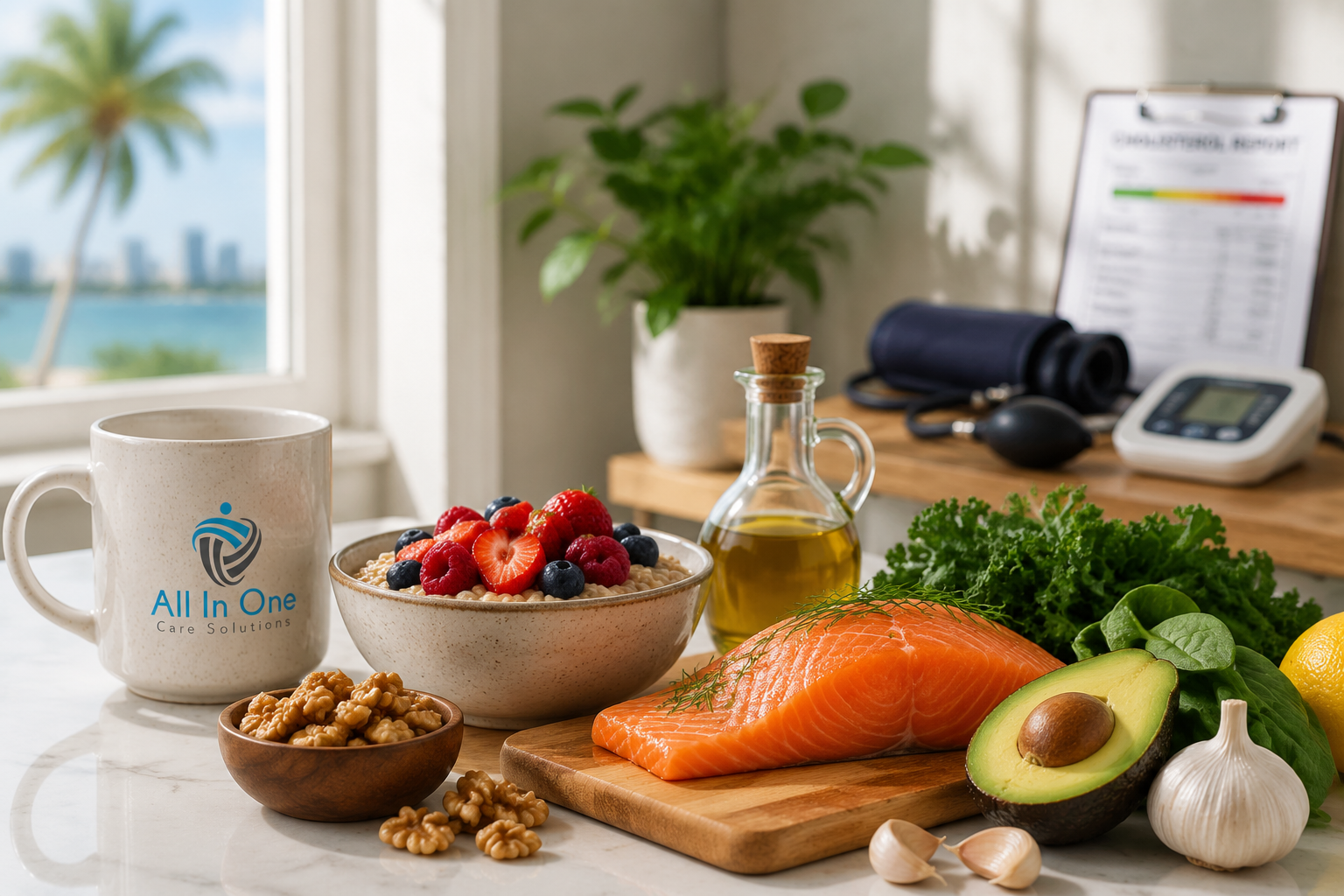
- Oats and oat bran — contain beta-glucan, a soluble fiber that reduces LDL absorption in the gut
- Legumes (black beans, lentils, chickpeas) — high in soluble fiber and plant protein
- Fatty fish (salmon, sardines, mackerel) — rich in omega-3 fatty acids that lower triglycerides and support HDL
- Avocados — high in monounsaturated fats that lower LDL without reducing HDL
- Nuts (almonds, walnuts, pistachios) — contain unsaturated fats, fiber, and plant sterols
- Olive oil — the primary fat in a Mediterranean-style diet, associated with reduced cardiovascular risk
- Leafy greens and cruciferous vegetables — provide fiber, antioxidants, and plant sterols
- Flaxseed and chia seeds — contain both soluble fiber and omega-3 fatty acids
Foods to limit or avoid:
- Red meat and full-fat dairy (high in saturated fat)
- Processed snacks, fried foods, and baked goods (trans fats and refined carbohydrates)
- Tropical oils such as palm oil and coconut oil (high in saturated fat)
- Excess alcohol and sugary beverages (raise triglycerides)
A practical starting point: aim for 5 to 10 grams of soluble fiber per day, which is achievable with one bowl of oatmeal plus a serving of beans or fruit.
How Long Does It Take to Lower Cholesterol With Diet
Most people see measurable LDL reduction within 6 to 8 weeks of consistent dietary changes, with the most significant improvements appearing at the 3 to 6 month mark. The timeline varies based on starting cholesterol levels, how strictly the diet is followed, and individual metabolic factors.
A realistic expectation for dietary intervention alone:
- 6 to 8 weeks: Early changes visible on a lipid panel, typically a 5 to 10 percent LDL reduction
- 3 months: More significant reduction possible, especially with added exercise and weight loss
- 6 months: Full effect of lifestyle changes becomes clear; this is when a physician typically reassesses whether medication is needed
One common mistake is checking cholesterol too soon after starting a new diet and concluding it “isn’t working.” Give the body time to respond before drawing conclusions.
Can Exercise Alone Lower Cholesterol Without Medication
Exercise alone can produce meaningful improvements in cholesterol, particularly for HDL levels and triglycerides. The American Heart Association recommends at least 150 minutes of moderate-intensity aerobic exercise per week (such as brisk walking, cycling, or swimming) for cardiovascular health.
Studies suggest regular aerobic exercise can:
- Raise HDL cholesterol by 3 to 6 percent
- Lower LDL cholesterol by 5 to 10 percent
- Reduce triglycerides by 10 to 20 percent
Resistance training (weight lifting) also contributes, though its primary benefit is improving body composition and insulin sensitivity, which indirectly supports a healthier lipid profile.
Choose exercise if: You have borderline-high cholesterol, no other major risk factors, and are willing to commit to regular activity combined with dietary changes.
Exercise alone may not be sufficient if: LDL is significantly elevated (above 160 mg/dL), there is a family history of early heart disease, or other conditions like diabetes or hypertension are present.
Natural Supplements That Actually Lower Cholesterol
Several supplements have clinical evidence supporting their use as part of a natural cholesterol-lowering strategy. These are not replacements for diet and exercise, but they can add meaningful benefit.
Evidence-supported options:
- Plant sterols and stanols (found in fortified foods and supplements) — block cholesterol absorption in the gut; 2 grams per day can reduce LDL by 5 to 15 percent
- Psyllium husk — a soluble fiber supplement shown to lower LDL by 5 to 10 percent when taken consistently
- Omega-3 fatty acids (fish oil) — primarily lower triglycerides; some benefit for overall cardiovascular health
- Red yeast rice — contains naturally occurring monacolin K, which has statin-like properties; should only be used under medical supervision due to potential side effects
- Berberine — emerging evidence suggests it may lower LDL and triglycerides through multiple pathways
Important caution: Supplements are not regulated with the same rigor as medications. Always discuss any supplement with a physician before starting, especially if you take prescription drugs or have chronic conditions such as diabetes or hypertension.
Does Lowering Cholesterol Naturally Work, or Do You Need Statins
Natural methods work well for many people, particularly those with mildly elevated cholesterol and no other major cardiovascular risk factors. For others, lifestyle changes are essential but not sufficient on their own.
Statins are typically recommended when:
- LDL remains above 190 mg/dL despite 3 to 6 months of lifestyle changes
- A person has established cardiovascular disease (prior heart attack or stroke)
- Calculated 10-year cardiovascular risk is 7.5 percent or higher (assessed using tools like the ACC/AHA Pooled Cohort Equations)
- Familial hypercholesterolemia is diagnosed
Natural strategies and statins are not mutually exclusive. Many patients on statins also benefit significantly from dietary changes, exercise, and weight management — often allowing for lower medication doses over time.
The best approach is to work with a primary care provider who can assess total risk, not just one number. Patients in Miami Gardens and surrounding communities can access chronic disease management and lipid panel testing at All In One Care Solutions to get a full clinical picture before deciding on a path forward.
Common Mistakes People Make When Trying to Lower Cholesterol
Several well-intentioned habits can slow progress or create a false sense of security.
Mistake 1: Focusing only on dietary cholesterol For decades, people avoided eggs and shrimp to lower cholesterol. Current evidence shows that saturated and trans fats raise LDL far more than dietary cholesterol does. Avoiding eggs while still eating processed meats and fried foods is a poor trade-off.
Mistake 2: Replacing fat with refined carbohydrates Low-fat diets that substitute sugar and white flour for fat can actually raise triglycerides and lower HDL. Fat quality matters more than fat quantity.
Mistake 3: Not tracking progress with lab work Without regular lipid panels, it is impossible to know whether changes are working. A baseline test followed by a recheck at 3 to 6 months is the standard approach.
Mistake 4: Expecting quick results Cholesterol levels reflect months of metabolic patterns, not days. Inconsistency during the first few weeks can undermine progress.
Mistake 5: Ignoring weight Carrying excess weight, particularly around the abdomen, raises LDL and triglycerides while lowering HDL. Weight loss is one of the most effective natural interventions available. For patients in South Florida who need structured support, medically supervised weight loss programs can complement dietary efforts.
Can You Lower Cholesterol Without Giving Up Foods You Love
Yes, in most cases. A sustainable cholesterol-lowering diet does not require eliminating every enjoyable food. The goal is to shift the overall pattern, not achieve dietary perfection.
Practical strategies for maintaining enjoyment while improving cholesterol:
- Swap, don’t eliminate: Use olive oil instead of butter, try grilled fish instead of fried, choose whole grain bread instead of white.
- Add before subtracting: Add oats, beans, and nuts to meals you already enjoy before cutting out foods you love.
- Apply the 80/20 principle: If 80 percent of meals follow heart-healthy principles, occasional indulgences have minimal long-term impact.
- Cook traditional recipes with healthier fats: Many South Florida and Hispanic dishes can be prepared with olive or avocado oil instead of lard or butter without sacrificing flavor.
The key is building a pattern that is realistic for the long term. A diet followed for 30 days and then abandoned produces no lasting benefit.
What to Do When Cholesterol Is Still High After Diet Changes
If LDL remains elevated after 3 to 6 months of consistent lifestyle changes, the next step is a comprehensive medical evaluation. This is not a failure — it is a signal that additional factors may be at play.
Possible reasons cholesterol remains high despite lifestyle changes:
- Genetic factors — familial hypercholesterolemia affects approximately 1 in 250 people and causes very high LDL regardless of diet
- Thyroid dysfunction — hypothyroidism raises LDL; a TSH blood test can rule this out
- Kidney or liver disease — both affect cholesterol metabolism
- Medications — certain drugs (including some blood pressure medications and steroids) can raise cholesterol
- Insufficient dietary change — hidden sources of saturated fat are common and easy to overlook
At this point, a physician may recommend prescription medication, additional lab testing, or referral to a cardiologist. Patients dealing with high cholesterol alongside other chronic conditions like high blood pressure or diabetes should work with a primary care provider who can coordinate all aspects of their care.
Is a Cholesterol-Lowering Diet Safe for Everyone
For most healthy adults, a heart-healthy diet based on whole foods, lean proteins, and unsaturated fats is safe and beneficial. However, certain populations need individualized guidance.
Who should consult a physician before making major dietary changes:
- People with kidney disease (protein and potassium restrictions may apply)
- Patients with diabetes (carbohydrate quality and quantity require careful management)
- Pregnant or breastfeeding women (some supplements are not safe)
- Patients on blood thinners (high-dose omega-3s and certain foods can affect clotting)
- Anyone with a history of eating disorders
For the general population in Miami Gardens, Miami Lakes, and Hialeah, the dietary shifts described in this guide are safe and well-supported by evidence. A family medicine provider can review any specific concerns and tailor recommendations to individual health history. The family practice team at All In One Care Solutions serves patients ages 12 and up with personalized preventive care plans.
How Often Should You Check Your Cholesterol Levels
Adults without known risk factors should have a fasting lipid panel every 4 to 6 years starting at age 20, according to standard clinical guidelines. More frequent testing is recommended for:
- Adults over 40
- Patients with diabetes, hypertension, or obesity
- Anyone with a family history of early cardiovascular disease
- Patients currently on cholesterol-lowering medication
- Anyone actively making lifestyle changes (recheck at 3 to 6 months)
Cholesterol testing is typically included in an annual physical exam. At All In One Care Solutions, a complete annual exam including an EKG and basic blood panel is available for $150, with no insurance required. This is one of the most practical steps adults in South Florida can take for early detection and chronic disease management. Patients can also access in-house lab work for fast, convenient results without a referral.
Frequently Asked Questions
Q: Can drinking more water lower cholesterol? Staying well-hydrated supports overall metabolic health, but water alone does not directly lower LDL cholesterol. Hydration is a foundation for general wellness, not a primary cholesterol intervention.
Q: Does stress affect cholesterol levels? Yes. Chronic stress raises cortisol, which can increase LDL production and promote unhealthy eating behaviors. Stress management — including adequate sleep, physical activity, and mental health support — is a legitimate part of a cholesterol-lowering plan.
Q: Is coconut oil heart-healthy? No. Despite popular claims, coconut oil is approximately 82 percent saturated fat and raises LDL cholesterol. It is not recommended as a primary cooking fat for people managing high cholesterol.
Q: Can children have high cholesterol? Yes. Pediatric cholesterol screening is recommended between ages 9 and 11 and again between 17 and 21, especially with a family history of early heart disease. Lifestyle changes are the first-line approach for children.
Q: Does alcohol affect cholesterol? Moderate alcohol consumption may slightly raise HDL, but it also raises triglycerides and carries significant health risks. It is not recommended as a cholesterol management strategy.
Q: How much does a cholesterol test cost without insurance? At All In One Care Solutions, a basic blood panel is included in the $150 annual exam package. Self-pay options are available for patients without insurance coverage.
Q: Can I take fish oil and a statin together? Generally yes, but always confirm with a physician. Omega-3 supplements and statins work through different mechanisms and are often used together safely.
Q: Is a Mediterranean diet the best diet for high cholesterol? The Mediterranean diet has the strongest evidence base for cardiovascular health among studied dietary patterns. It emphasizes olive oil, fish, legumes, whole grains, and vegetables — all consistent with the recommendations in this guide.
Q: Does smoking affect cholesterol? Yes. Smoking lowers HDL cholesterol and damages artery walls, accelerating the effects of high LDL. Quitting smoking improves HDL levels within weeks.
Q: What is a lipid panel? A lipid panel is a blood test that measures total cholesterol, LDL, HDL, and triglycerides. It requires fasting for 9 to 12 hours beforehand for the most accurate results.
Conclusion
Learning how to lower cholesterol naturally is one of the most impactful steps an adult can take for long-term cardiovascular health. The evidence is clear: dietary changes centered on soluble fiber and unsaturated fats, combined with regular aerobic exercise, weight management, and consistent monitoring, can produce real and lasting improvements in LDL, HDL, and triglyceride levels.
Natural strategies work best when they are personalized, consistent, and medically supervised. For patients in Miami Gardens, Miami Lakes, and Hialeah, All In One Care Solutions offers comprehensive primary care Miami services that include lipid panel testing, chronic disease management Miami support, and preventive care Miami guidance — all in one convenient location.
Next steps:
- Schedule an annual physical exam to get a baseline lipid panel and full cardiovascular risk assessment
- Discuss your current diet, activity level, and family history with a primary care provider
- If lifestyle changes alone are not enough, explore all available options — including medical weight loss — with physician guidance
To book an appointment or speak with a care team member, call All In One Care Solutions at (786) 446-9414 or visit the clinic at 16191 NW 57 Ave, Miami Gardens, FL 33014. Same-day appointments are available. Book your appointment online and take the first step toward a healthier cholesterol profile today.
References
- American Heart Association. (2023). Cholesterol: Understanding Your Numbers. heart.org
- National Heart, Lung, and Blood Institute. (2022). High Blood Cholesterol: What You Need to Know. nhlbi.nih.gov
- Grundy, S.M., et al. (2018). 2018 AHA/ACC Guideline on the Management of Blood Cholesterol. Journal of the American College of Cardiology.
- Jenkins, D.J.A., et al. (2003). Effects of a Dietary Portfolio of Cholesterol-Lowering Foods vs Lovastatin on Serum Lipids and C-Reactive Protein. JAMA.
- Eckel, R.H., et al. (2014). 2013 AHA/ACC Guideline on Lifestyle Management to Reduce Cardiovascular Risk. Circulation.
Tags: lower cholesterol naturally, high cholesterol, LDL cholesterol, HDL cholesterol, heart-healthy diet, cholesterol-lowering foods, chronic disease management Miami, preventive care Miami, primary care Miami Gardens, lipid panel, natural cholesterol remedies, family medicine Miami Gardens