B12 Shot Cost Without Insurance: Pricing & Affordable Options
Last updated: July 10, 2026
Quick Answer
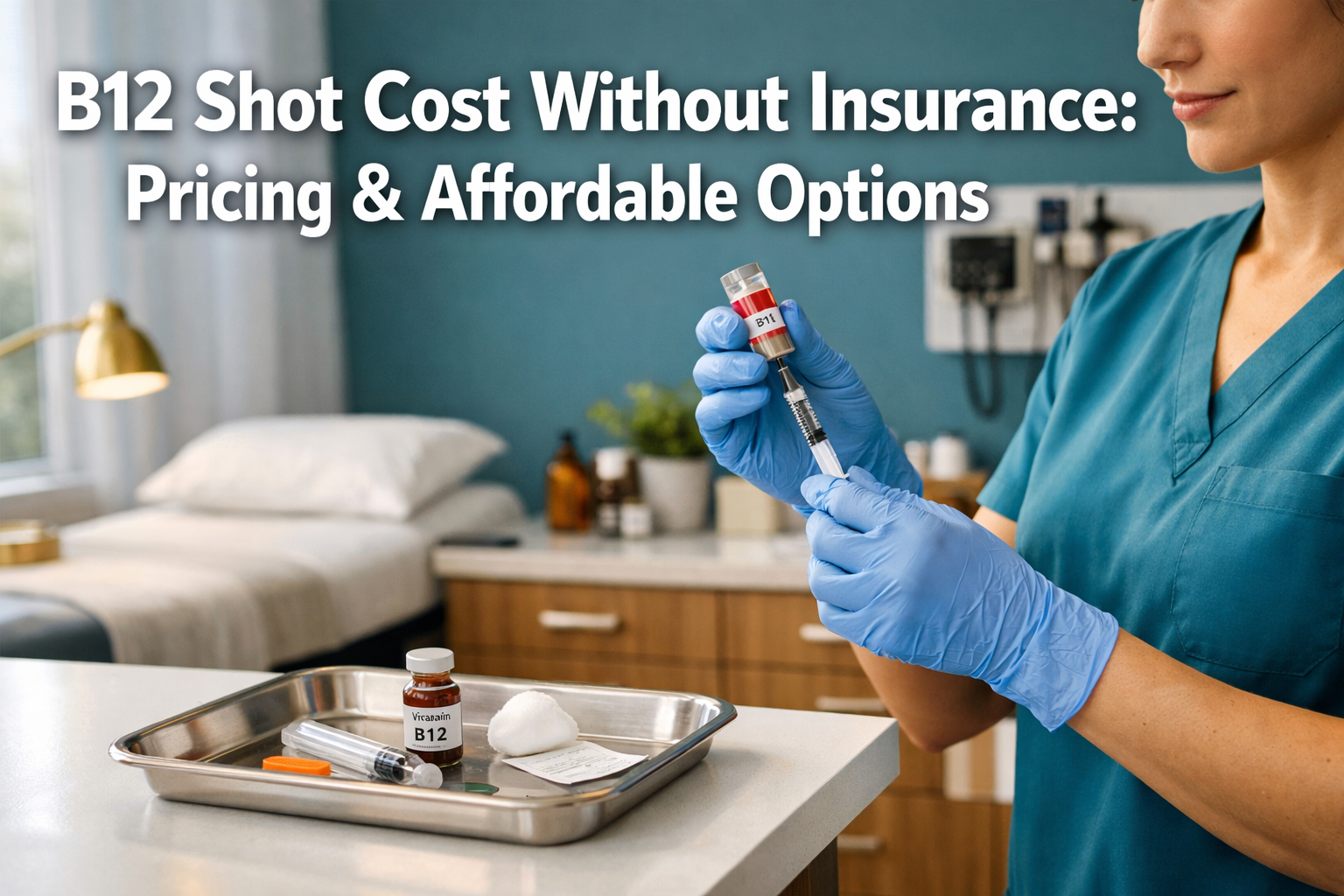
A single vitamin B12 injection typically costs between $15 and $75 when paid out of pocket, with most primary care and wellness clinics charging $20 to $50 per shot according to GoodRx and Healthline. Pricing depends on the provider, whether you buy a single dose or a package, and your location. Patients without insurance in Miami Gardens can find affordable B12 shot cost without insurance options at primary care clinics like All In One Care Solutions, often for less than retail pharmacy chains charge.
Key Takeaways
- The average B12 shot cost without insurance ranges from $15 to $75 per injection, depending on the provider and dosage, per GoodRx.
- CVS MinuteClinic, Walgreens, and Walmart pharmacies all offer B12 injections, but prices and prescription rules vary by location.
- Vitamin B12 deficiency affects an estimated 1.5% to 15% of adults in the United States, according to the National Institutes of Health Office of Dietary Supplements.
- Adults generally need about 2.4 micrograms of vitamin B12 daily, per NIH, and most get this from food, not injections.
- Insurance coverage for B12 injections usually requires documented medical necessity, such as pernicious anemia or a diagnosed deficiency.
- B12 shots work faster than oral supplements for patients with absorption problems, including those with Crohn’s disease.
- Discount memberships, cash-pay packages, and primary care bundling can lower the total cost of vitamin B12 treatment over a year.
- Side effects are typically mild, but medical supervision matters for anyone receiving frequent injections.
How Much Does a B12 Shot Cost Without Insurance?
A B12 shot cost without insurance typically falls between $15 and $75 per injection, though many clinics offer discounted multi-shot packages that bring the average price down. The exact cost vitamin B12 injections carry depends heavily on where you go and how the visit is billed.
Retail pharmacy chains and urgent care clinics often charge a flat administration fee on top of the vitamin itself. Primary care and wellness clinics, by contrast, frequently bundle B12 injections into broader visits, which can reduce the per-shot price. According to SingleCare, self-pay patients should expect to pay more per single visit than patients enrolled in a monthly wellness membership. At All In One Care Solutions, B12 booster shots are offered in affordable four-shot packages, which typically works out cheaper per injection than paying for a single visit at a retail chain.
Decision rule: If you need B12 injections only occasionally, a single-visit provider may be fine. If you need them monthly or more, look for a package or membership rate to lower your total cost vitamin B12 spending over the year.
What Are B12 Injections and Why Do Patients Need Them?
B12 injections are shots of vitamin B12, usually cyanocobalamin or methylcobalamin, delivered into a muscle to quickly raise blood levels of this essential nutrient. Vitamin B12 supports red blood cell production, nerve function, and DNA synthesis, according to Mayo Clinic.
Patients typically need B12 shots when blood tests confirm low levels or when digestive conditions prevent proper absorption of the vitamin from food. Common candidates include:
- Older adults with reduced stomach acid production
- Patients with Crohn’s disease, celiac disease, or other malabsorption disorders
- Vegans and strict vegetarians, since B12 occurs mostly in animal products
- Patients recovering from weight loss surgery
- Anyone diagnosed with pernicious anemia
Because low red blood cell counts can cause fatigue, brain fog, and nerve tingling, many patients feel noticeably better within days of starting treatment. A licensed medical provider should confirm deficiency with lab testing before starting a course of injections, which is a service offered through in-house lab testing at primary care clinics.
Vitamin B12 Deficiency: What Causes It and How Is It Treated?
Vitamin B12 deficiency happens when the body cannot get or absorb enough B12 from diet alone, and it is typically treated with either oral supplements or injections depending on severity. The NIH Office of Dietary Supplements reports that deficiency prevalence ranges from 1.5% to 15% of adults in the United States, with higher rates among older adults.
Common causes include:
- Age-related decline in stomach acid, which is needed to release B12 from food
- Gastrointestinal conditions such as Crohn’s disease or celiac disease
- Long-term use of metformin or acid-reducing medications
- Strict vegan or vegetarian diets without supplementation
- Weight loss surgery that bypasses part of the stomach
Treatment depends on the cause and severity. Mild deficiency is often corrected with high-dose oral tablets. However, patients with absorption problems, pernicious anemia, or severe deficiency usually need injections because the digestive tract cannot reliably absorb an oral dose, according to Cleveland Clinic.
How Much Vitamin B12 Do You Need Daily?
Most healthy adults need about 2.4 micrograms of vitamin B12 per day, according to NIH. Pregnant and breastfeeding women need slightly more. Typically, a varied diet covers this requirement without any injection.
What Foods Contain Vitamin B12?
Vitamin B12 occurs naturally in animal-based foods and fortified products. Good sources include:
- Beef, poultry, and fish
- Eggs and dairy products
- Fortified breakfast cereals and nutritional yeast
- Clams and liver, which are especially concentrated sources
Vegans and vegetarians should ask a provider about fortified foods or supplements, since plant foods rarely contain natural B12.
What’s the Difference Between B12 Shots and Oral Supplements?
B12 injections deliver the vitamin directly into muscle tissue, bypassing the digestive system entirely, while oral supplements must be absorbed through the gut. This difference matters most for patients with absorption disorders, since injections guarantee the full dose reaches the bloodstream.
For patients without absorption problems, oral tablets or sublingual drops work about as well as shots for raising B12 levels, per Harvard Health. Injections act faster and are preferred when levels are dangerously low or when a patient cannot reliably take daily pills. While pills cost less per dose, injections offer more predictable absorption and require fewer daily decisions from the patient.
Where Can I Get a Cheap B12 Shot?
The cheapest B12 shots are usually found at primary care clinics offering multi-injection packages, community health centers, or wellness clinics with membership pricing, rather than single-visit urgent care or retail pharmacy appointments. Comparing a few local providers before committing to a plan is the single best way to lower your total cost.
| Provider Type | Typical Cost Per Shot | Prescription Needed | Notes |
|---|---|---|---|
| CVS MinuteClinic | $40,$75 | Sometimes | Walk-in, fast, retail pricing |
| Walgreens | $35,$70 | Sometimes | Varies by store and state |
| Walmart Pharmacy | $30,$60 | Sometimes | Limited availability by location |
| Urgent care clinic | $50,$90 | Often required | Higher fee due to visit charge |
| Primary care / wellness clinic package | $15,$40 per shot in a package | Provider-supervised | Best value for repeat patients |
Search by procedure or provider reviews before booking, since prices for the same B12 injection can vary by $30 or more within the same city. Many people simply type “B12 Shots Near Me” into a search engine, but comparing at least three providers by phone or website usually reveals a better rate.
Do Urgent Care Clinics Offer B12 Shots and How Much Do They Cost?
Yes, most urgent care clinics offer B12 injections, typically for $50 to $90 per visit including the office fee. This is generally more expensive than a dedicated primary care or wellness clinic because urgent care bills a full visit charge on top of the injection itself.
Can I Get a B12 Shot at a Pharmacy Without a Prescription?
In many states, pharmacists at chains like CVS MinuteClinic or Walgreens can administer B12 injections without a separate doctor’s visit, but a pharmacist consultation is still required first. Rules vary by state, so it is worth calling ahead to confirm local pharmacy policy before showing up.
Are There Discount Programs or Coupons for B12 Injections?
Yes. Many clinics offer package pricing, cash-pay bundles, or seasonal promotions that reduce the per-shot cost significantly compared to a single retail visit. All In One Care Solutions, for example, offers a B12 booster package of four shots for $60, which lowers the average cost per injection compared to paying for individual visits.
Can You Buy B12 Shots Online Without a Doctor?
Some online retailers sell B12 vials and syringes directly to consumers, but self-injecting without medical supervision carries real risk, including improper dosing and infection. Reputable telehealth services still require a provider consultation, such as those offered through All In One Care Solutions’ telehealth program, before prescribing or administering injectable vitamins.
How Often Do You Need B12 Shots and What’s the Total Cost Over Time?
Most patients with confirmed deficiency start with weekly injections for four to eight weeks, then move to monthly maintenance shots once levels stabilize, according to MedlinePlus. The total annual cost depends on this frequency and where you receive care.
A typical maintenance schedule of one shot per month costs between $180 and $600 per year without insurance, depending on the provider. Patients on an intensive loading schedule of weekly shots for two months, followed by monthly maintenance, will pay more upfront but often see faster symptom relief. Is 3 monthly B12 injections enough? For many patients on a stable maintenance plan, three months of monthly shots is enough to confirm the dose is working, but ongoing deficiency from conditions like pernicious anemia usually requires lifelong treatment.
Insurance Coverage for B12 Injections: Will Insurance Pay?
Insurance coverage for B12 injections typically depends on documented medical necessity, such as a lab-confirmed deficiency or a diagnosis like pernicious anemia. Insurance plans generally will not cover B12 shots used purely for energy or wellness purposes without a qualifying diagnosis.
Medicare Part B and many private insurance plans cover B12 injections when a physician documents medical necessity through blood work and a formal diagnosis. Patients using B12 shots for general wellness, weight loss support, or energy boosts should expect to pay the full cost out of pocket, since these uses rarely meet insurance policy requirements for coverage. All In One Care Solutions helps patients understand their insurance and self-pay options before starting treatment, so there are no billing surprises.
Common mistake: Assuming a routine wellness B12 shot will automatically be billed to insurance. Always confirm coverage and diagnosis codes with your provider’s office before your appointment.
Is a B12 Shot Worth It, or Should You Just Take Pills?
A B12 shot is worth the cost for patients with confirmed deficiency, malabsorption conditions, or severe fatigue linked to low B12 levels, since injections correct levels faster and more reliably than pills in these cases. For patients without a diagnosed deficiency, oral supplements or dietary changes are usually just as effective and far less expensive.
Are B12 injections worth the money? The answer depends on the underlying cause. Patients with normal absorption who are simply seeking an energy boost may not see benefits significantly different from a daily supplement. Patients with documented low B12 levels, chronic fatigue tied to deficiency, or absorption disorders typically report noticeable improvement in energy, mood, and nerve symptoms after starting injections.
What Happens If You Get Too Many B12 Shots?
Vitamin B12 is water-soluble, so excess amounts are generally excreted in urine, and toxicity from B12 injections is rare. However, receiving frequent unnecessary injections without medical supervision can mask symptoms of other underlying conditions, waste money, and in rare cases contribute to skin reactions at the injection site.
What Are the Possible Side Effects of Vitamin B12 Injections?
Most patients tolerate B12 injections well. Reported side effects include:
- Mild pain, redness, or swelling at the injection site
- Headache or mild nausea in some patients
- Rare allergic reactions, including itching or swelling
- Diarrhea in a small number of cases
Serious reactions are uncommon, but any signs of difficulty breathing or severe swelling require immediate medical attention, per WebMD.
Why Are Doctors Stopping B12 Injections for Some Patients?
Some doctors are moving toward oral high-dose B12 supplements for patients without absorption problems, since research shows pills can be just as effective for many cases while avoiding needle-related discomfort and clinic visits. Injections remain the standard for patients with confirmed malabsorption or severe deficiency.
Who Actually Needs B12 Shots Versus Just Supplements?
Patients with a diagnosed absorption disorder, pernicious anemia, or severe lab-confirmed deficiency generally need injections, while patients with mild low levels or dietary gaps often do well with oral supplements. A simple blood test is the only reliable way to know which category applies to you.
How do I know if I’m deficient in B12 and need a shot? Common signs include persistent fatigue, tingling in the hands or feet, memory problems, and pale skin. A primary care provider can order a blood test to confirm deficiency before recommending injections, which is a routine part of chronic disease management and preventive care visits.
Affordable Vitamin B12 Injections: Tips for Finding a Trusted Provider
The most affordable vitamin B12 injection providers combine transparent cash pricing with medical supervision, rather than the highest discount alone. Choosing a licensed clinic over an unregulated online seller protects both your wallet and your health.
Tips for finding affordable care:
- Ask for the total price upfront, including any office visit fee.
- Compare package pricing versus single-shot visits before committing.
- Confirm whether the provider requires lab testing to diagnose deficiency first.
- Ask about bundled wellness services, such as IV therapy or annual exams.
- Verify the provider is a licensed medical clinic, not an unregulated seller.
Pricing for the same B12 injection can vary widely across Florida. A medical spa or beach medical group in Royal Palm Beach may charge premium rates when B12 shots are bundled with cosmetic treatments like Restylane or Juvederm Ultra, while clinics serving Fort Lauderdale, Royal Palm Beach, and Miami Gardens communities often price standalone B12 injections more affordably as part of routine primary care. Patients researching palm beach medical spas for B12 shots should ask whether pricing includes a required consultation fee, since that can add significantly to the final bill.
Additional Services You May Need Alongside B12 Injections
Patients getting B12 shots often benefit from related preventive care and chronic disease management services offered at the same visit. Bundling services with one trusted provider can also reduce total healthcare costs over time.
Commonly paired services include:
- Medical weight loss programs using Semaglutide or Tirzepatide
- Chronic disease management for diabetes, hypertension, and cholesterol
- Women’s health services including hormone panels
- Annual physical exams with EKG and blood panel testing
- NAD+ injections and other IV therapy drips for energy and hydration
- Aesthetic treatments such as Botox or facial rejuvenation
Older adults often combine B12 injections with geriatric care and routine chronic disease monitoring, since fatigue and nerve symptoms overlap with several age-related conditions. A clinic that offers primary care, lab testing, and vitamin injections under one roof simplifies scheduling and often lowers the total cost of care.
About All In One Care Solutions and How to Get Care
All In One Care Solutions is a medical clinic in Miami Gardens, Florida, offering primary care, medical weight loss, IV therapy, and vitamin B12 injections for insured and self-pay patients throughout South Florida. The clinic serves Miami Gardens, Miami Lakes, Hialeah, and nearby communities with bilingual, patient-centered medical care.
Patients can review the About Us page to meet the team and learn more about the clinic’s approach to preventive medicine, chronic disease management, and wellness services. The clinic accepts most major insurance plans and offers transparent self-pay pricing for patients without coverage, including affordable B12 injection packages.
To schedule a B12 injection consultation, contact All In One Care Solutions directly:
- Phone: (786) 446-9414
- Email: info@allinonecaresolutions.com
- Address: 16191 NW 57 Ave, Miami Gardens, FL 33014
- Online: Book a B12 injection appointment
Review the clinic’s privacy policy and terms of service before booking, and ask staff about current promotions on vitamin booster packages when you contact the office.
Resources
- NIH Office of Dietary Supplements, Vitamin B12 Fact Sheet (accessed 2026)
- NIH Office of Dietary Supplements, Vitamin B12 Consumer Fact Sheet (accessed 2026)
- Mayo Clinic, Vitamin Deficiency Anemia (2022)
- MedlinePlus, Vitamin B12 (2024)
- Cleveland Clinic, Vitamin B12 (2023)
- Healthline, Vitamin B12 Injection Cost (2023)
- GoodRx, Vitamin B12 Injections (2023)
- SingleCare, How Much Does a B12 Shot Cost (2023)
- WebMD, Vitamin B12 (2023)
- Harvard Health, Vitamin B12 (2022)
- CVS MinuteClinic Services (2026)
- Crohn’s & Colitis Foundation (2024)
Frequently Asked Questions
Are B12 injections worth the money?
B12 injections are worth the cost for patients with a confirmed deficiency, malabsorption disorder, or pernicious anemia, since injections restore levels faster than pills. For patients without a diagnosed deficiency, oral supplements usually deliver similar benefits at a much lower cost, making injections less necessary for general wellness alone.
Is 3 monthly B12 injections enough?
Three monthly B12 injections are often enough to confirm whether maintenance dosing is working for a stable patient, but the right frequency depends on the severity of the deficiency. Patients with pernicious anemia or ongoing absorption problems typically need lifelong monthly injections rather than a short three-month course.
Why are doctors stopping B12 injections?
Some doctors now prefer high-dose oral B12 supplements for patients without absorption problems, since studies show pills can raise B12 levels effectively without needle discomfort or extra clinic visits. Injections remain standard for patients with malabsorption conditions, pernicious anemia, or severe, lab-confirmed deficiency.
Will insurance pay for B12 injections?
Insurance typically pays for B12 injections only when a provider documents medical necessity, such as a diagnosed deficiency or pernicious anemia confirmed through lab testing. Injections used purely for energy or general wellness, without a qualifying diagnosis, are usually billed as a self-pay medical service.
{"@context":"https://schema.org","@type":"FAQPage","mainEntity":[{"@type":"Question","name":"Are B12 injections worth the money?","acceptedAnswer":{"@type":"Answer","text":"B12 injections are worth the cost for patients with a confirmed deficiency, malabsorption disorder, or pernicious anemia, since injections restore levels faster than pills. For patients without a diagnosed deficiency, oral supplements usually deliver similar benefits at a much lower cost, making injections less necessary for general wellness alone."}},{"@type":"Question","name":"Is 3 monthly B12 injections enough?","acceptedAnswer":{"@type":"Answer","text":"Three monthly B12 injections are often enough to confirm whether maintenance dosing is working for a stable patient, but the right frequency depends on the severity of the deficiency. Patients with pernicious anemia or ongoing absorption problems typically need lifelong monthly injections rather than a short three-month course."}},{"@type":"Question","name":"Why are doctors stopping B12 injections?","acceptedAnswer":{"@type":"Answer","text":"Some doctors now prefer high-dose oral B12 supplements for patients without absorption problems, since studies show pills can raise B12 levels effectively without needle discomfort or extra clinic visits. Injections remain standard for patients with malabsorption conditions, pernicious anemia, or severe, lab-confirmed deficiency."}},{"@type":"Question","name":"Will insurance pay for B12 injections?","acceptedAnswer":{"@type":"Answer","text":"Insurance typically pays for B12 injections only when a provider documents medical necessity, such as a diagnosed deficiency or pernicious anemia confirmed through lab testing. Injections used purely for energy or general wellness, without a qualifying diagnosis, are usually billed as a self-pay medical service."}}]}
Conclusion
Understanding the true B12 shot cost without insurance helps patients make informed decisions about their care instead of overpaying at the first pharmacy they find. Whether you need weekly injections for a diagnosed deficiency or occasional shots for energy support, comparing providers, asking about package pricing, and confirming insurance coverage before your visit can save significant money over a year of treatment.
Patients in Miami Gardens, Miami Lakes, and Hialeah do not need to choose between quality medical care and an affordable price. All In One Care Solutions offers licensed, medically supervised B12 injections alongside primary care, chronic disease management, and preventive wellness services in one convenient location.
Contact All In One Care Solutions at (786) 446-9414 or book a B12 injection appointment online to discuss whether B12 shots are right for you and to get transparent, affordable pricing before your visit.