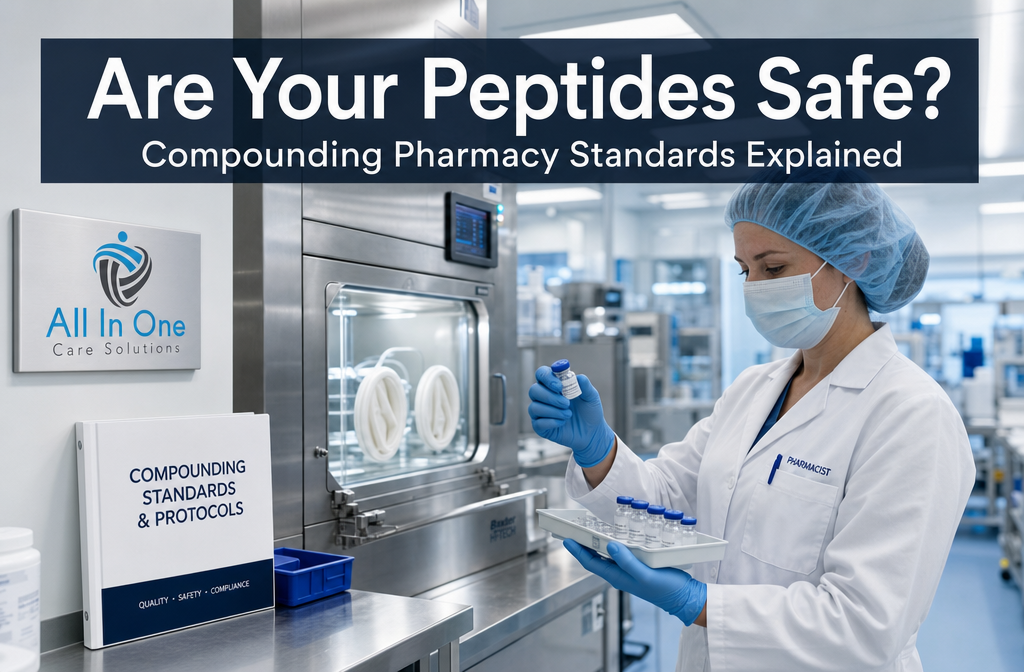
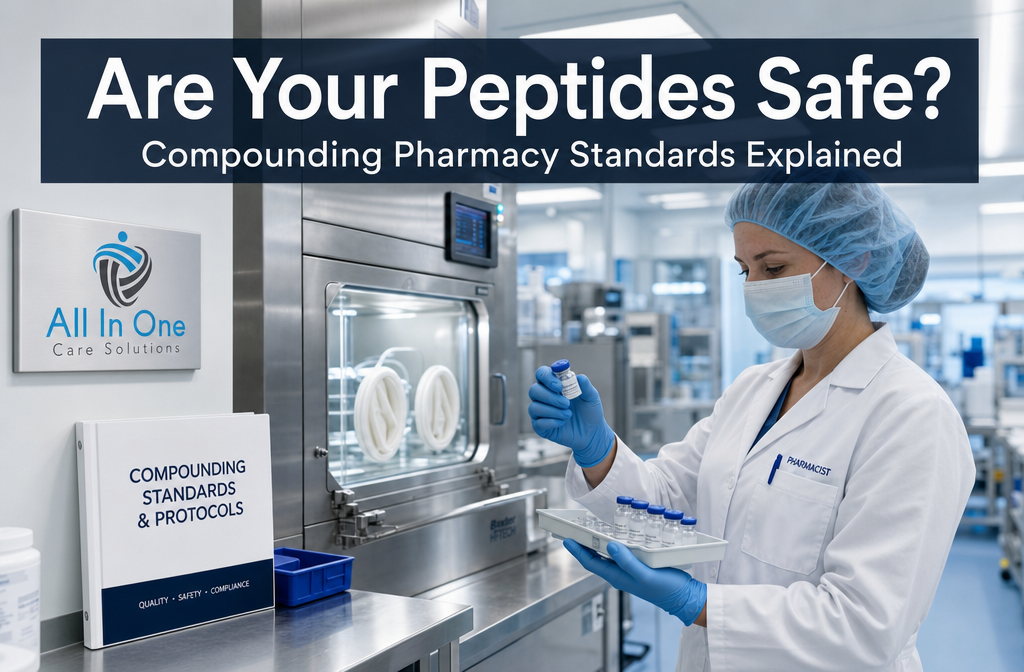
How to Know Your Peptides Are Safe: Compounding Pharmacy Standards Explained
Last updated: June 10, 2026
Quick Answer: Knowing your peptides are safe comes down to three things: your source, your supervision, and your pharmacy’s credentials. Compounded peptides from a licensed 503A or 503B pharmacy, prescribed by a qualified physician, and prepared under USP 797 sterile standards are considered reasonably safe. Peptides purchased online as “research chemicals” carry significant contamination, purity, and legal risks with no regulatory oversight.
Key Takeaways
- Compounded peptides must come from a licensed 503A or 503B pharmacy to be legally and safely dispensed for human use.
- The FDA placed several peptides, including BPC-157 and CJC-1295, into Category 2 in 2023, restricting their compounding due to insufficient human safety data.
- In April 2026, the FDA reclassified 12 peptides from Category 2 back to Category 1, reopening legal compounding for those specific compounds.
- The FDA is scheduled to review additional compounded peptides in July 2026, which may further expand or restrict what can legally be prepared.
- PCAB accreditation and USP 797 compliance are the two most important quality markers to look for in a compounding pharmacy.
- Never use peptides labeled “not for human consumption” or sold as “research chemicals” — the FDA does not recognize an exemption for human use of these substances.
- Physician supervision, proper lab testing, and a personalized treatment plan are non-negotiable for safe peptide therapy.
- Insurance rarely covers compounded peptides; most patients pay out of pocket, with costs ranging from roughly $150 to $500 or more per month depending on the protocol.
What Exactly Are Peptides and Why Do People Use Them
Peptides are short chains of amino acids — the same building blocks that make up proteins. Your body naturally produces hundreds of peptides that regulate everything from growth hormone release to tissue repair and immune function.
In a clinical setting, compounded peptide therapy uses synthetic versions of these naturally occurring compounds to support specific health goals. Common reasons patients seek peptide therapy include:
- Muscle recovery and injury healing (e.g., BPC-157 for tissue repair)
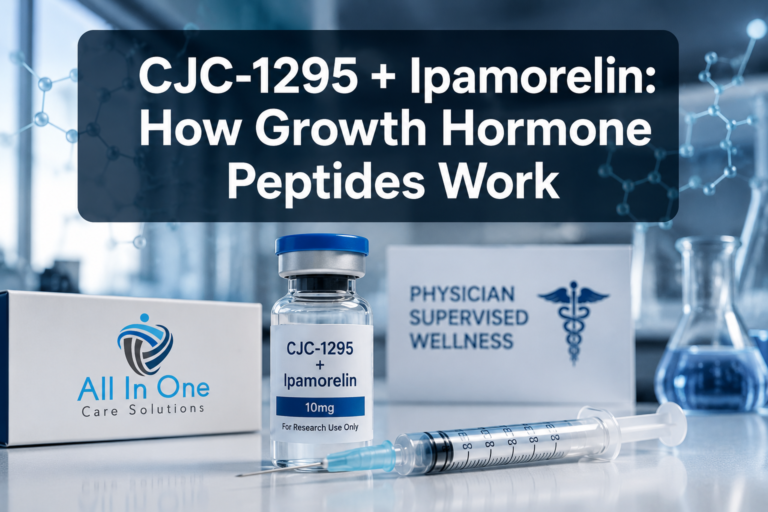
- Growth hormone support (e.g., Ipamorelin, CJC-1295)
- Weight management in combination with other medically supervised programs
- Anti-aging and cellular energy support
- Immune function and inflammation reduction
Peptides are not the same as anabolic steroids. They work by signaling the body’s own systems rather than replacing hormones directly. That said, they are still powerful compounds that require proper medical oversight to be used safely.
If you are exploring options for medical weight loss in Miami Gardens or broader wellness support, peptides may be one component of a comprehensive treatment plan — but only when prescribed and monitored by a licensed physician.
Understanding How to Know Your Peptides Are Safe: Compounding Pharmacy Standards Explained
The safety of your peptide treatment depends almost entirely on where it comes from and how it was prepared. Compounded peptides from a licensed pharmacy operating under Sections 503A or 503B of the Federal Food, Drug, and Cosmetic Act are held to enforceable quality standards [1].
Here is what those two categories mean in practice:
| Pharmacy Type | Who It Serves | Key Requirements |
|---|---|---|
| 503A (Traditional Compounding) | Individual patients with a valid prescription | State-licensed, patient-specific, no cGMP required but must follow USP standards |
| 503B (Outsourcing Facility) | Healthcare facilities, may compound without patient-specific Rx | Must register with FDA, follow current Good Manufacturing Practices (cGMP) |
A 503B outsourcing facility is generally held to a higher manufacturing standard because it must comply with cGMP — the same level of oversight applied to large pharmaceutical manufacturers. For injectable peptides in particular, this distinction matters significantly.
Common mistake: Many patients assume that any pharmacy with a license is automatically safe for peptide compounding. That is not accurate. A pharmacy must specifically be equipped and accredited for sterile compounding to prepare injectable peptides safely.
How Can I Tell If a Compounding Pharmacy Is Legit
A legitimate compounding pharmacy will be transparent about its credentials and will not hesitate to provide documentation. Here are the specific markers to verify [4]:
Accreditation and licensing:
- PCAB (Pharmacy Compounding Accreditation Board) accreditation — this is the gold standard for compounding quality
- State board of pharmacy license in good standing
- FDA registration for 503B outsourcing facilities
Sterility standards:
- USP 797 compliance for sterile preparations (required for all injectable products)
- Clean-room facilities with documented environmental monitoring
- Certificate of Analysis (COA) from third-party testing for each batch
Prescription requirement:
- A legitimate pharmacy will always require a valid prescription from a licensed provider before dispensing any compounded peptide. No prescription, no legitimate pharmacy.
Red flags to watch for:
- No COA available upon request
- Ships without a prescription
- Prices significantly below market rate
- Labeled “for research use only” or “not for human consumption”
- No physical address or verifiable state license
What Risks Are Involved With Using Peptides From Small or Unverified Pharmacies
Using peptides from an unverified source is one of the most common and serious mistakes in this space. The FDA does not recognize a “research chemical” exemption that permits human use of unapproved substances [1]. Purchasing peptides labeled this way means you are assuming all of the following risks:
- Contamination: Without sterile compounding facilities, injectable peptides can carry bacterial endotoxins or particulate matter that cause serious infections.
- Incorrect concentration: Mislabeled dosing has led to both under-dosing (no effect) and overdosing (adverse reactions).
- Unknown purity: Without a third-party COA, there is no way to confirm what is actually in the vial.
- Legal exposure: Possessing or using substances the FDA has restricted carries potential legal consequences.
- No recourse: If you are harmed by an unregulated product, you have no legal or medical recourse through standard channels.
The FDA has signaled stronger enforcement actions and updated guidance documents clarifying which peptides can legally be compounded, and state boards of pharmacy are updating their rules to align with federal standards [5].
What Certifications Should a Reputable Peptide Compounding Pharmacy Have
A reputable pharmacy preparing peptides for clinical use should hold or comply with the following [4]:
- PCAB Accreditation — Demonstrates commitment to quality beyond minimum state requirements
- USP 797 Compliance — Mandatory for sterile injectable preparations; covers facility design, personnel training, and contamination controls
- USP 795 Compliance — Applies to non-sterile preparations
- FDA 503B Registration (for outsourcing facilities) — Requires cGMP compliance and FDA inspection
- State Board of Pharmacy License — Verifiable through your state’s licensing database
- Third-Party Batch Testing — Each lot should have a Certificate of Analysis showing identity, potency, and sterility
Ask your provider directly: “Can you tell me which pharmacy prepares your peptides, and can I see their PCAB accreditation and a sample COA?” A trustworthy clinic will answer that question without hesitation.
How Do I Know If a Peptide Source Is Contaminated or Low Quality
You generally cannot tell by looking at a vial. This is precisely why pharmacy standards matter. However, there are practical steps to protect yourself [7]:
- Request the Certificate of Analysis before your first dose. It should show testing for identity, potency, sterility, endotoxins, and heavy metals.
- Confirm the pharmacy’s name and license number. Cross-check it with your state board of pharmacy’s public database.
- Look for batch-specific testing — not just a generic COA for a product line.
- Check the expiration date and storage instructions. Peptides are sensitive to temperature and light; improper storage degrades them quickly.
- Notice the reconstitution instructions. A legitimate compounded injectable will come with clear, medically appropriate reconstitution and storage guidance.
If a source cannot or will not provide a COA, treat that as a definitive reason to walk away.
Which Medical Conditions Respond Best to Peptide Therapies
Peptide therapy is not a one-size-fits-all treatment. The evidence base varies considerably by compound and condition. Clinically, the strongest applications currently include:
- Tissue repair and wound healing: BPC-157 has shown promise in preclinical studies for musculoskeletal injuries, though human clinical trial data remains limited.
- Growth hormone deficiency support: Peptides like Sermorelin (which is FDA-approved) stimulate natural GH release and have a more established clinical record.
- Obesity and metabolic conditions: GLP-1 receptor agonists such as semaglutide and tirzepatide are technically peptides — and they have the strongest clinical evidence base of any peptides currently used in medicine. Our team offers medically supervised weight loss programs that include these options.
- Chronic inflammation and immune support: Some peptides are being studied for autoimmune and inflammatory conditions, though most are still in earlier research stages.
- Cellular energy and aging: NAD+ precursors and related compounds are used in NAD+ IV therapy for cellular energy support.
For patients managing chronic conditions, it is important to discuss peptide therapy within the context of your overall care plan. Our chronic disease management services in Miami can help you evaluate whether peptide therapy fits safely into your treatment goals.
Are Peptides Safe for People Over 50
For most healthy adults over 50, medically supervised peptide therapy is considered reasonably safe when prescribed appropriately and sourced from an accredited pharmacy [7]. That said, age-related factors do affect how peptides are used:
- Kidney and liver function affect how peptides are metabolized. Baseline lab work is essential before starting any protocol.
- Hormone levels shift significantly after 50, and some peptides interact with hormonal systems. A physician needs to review your current hormone panel.
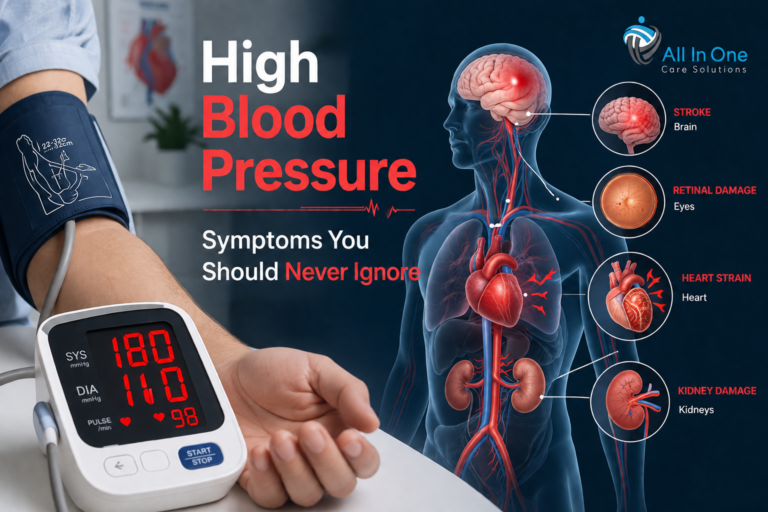
- Drug interactions are a real concern, particularly for patients on blood pressure medications, diabetes medications, or anticoagulants.
- Cardiovascular health should be assessed before using growth-hormone-stimulating peptides, as these can affect insulin sensitivity and fluid retention.
Our clinic offers in-house lab testing in Miami to establish your baseline before any peptide protocol begins. This is not optional — it is a clinical standard.
What Are the Most Common Side Effects of Peptide Treatments
Side effects vary by compound, dose, and individual health status. The most commonly reported include:
- Injection site reactions: Redness, swelling, or mild pain at the injection site — most common with subcutaneous injections
- Water retention: Particularly with growth-hormone-stimulating peptides like Ipamorelin
- Fatigue or lethargy: Often temporary during the first few weeks
- Headaches: Reported with several GH-releasing peptides
- Nausea: More common with GLP-1 peptides like semaglutide
- Elevated blood glucose: A concern with growth hormone-related peptides, especially in pre-diabetic patients
- Tingling or numbness: Associated with some growth hormone secretagogues
Serious adverse events are rare when peptides are properly sourced and dosed under physician supervision. They become significantly more likely when using unverified sources with unknown purity or concentration.
What Questions Should I Ask My Doctor Before Starting Peptide Therapy
Before starting any peptide protocol, a thorough medical consultation is essential. Here are the questions every patient should ask:
- Is this peptide currently legal to compound and prescribe in 2026?
- Which pharmacy will prepare my peptides, and what are their accreditations?
- Can I see the Certificate of Analysis for my specific batch?
- What lab work do I need before starting, and how will you monitor me?
- How does this peptide interact with my current medications?
- What results should I realistically expect, and over what timeframe?
- What are the signs that I should stop the protocol and contact you?
- Is this peptide on the FDA’s current approved compounding list?
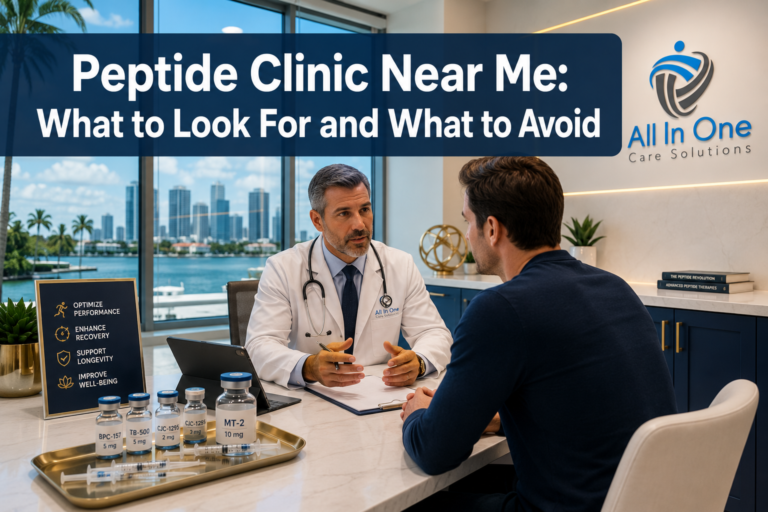
A physician who cannot or will not answer these questions clearly is not the right provider for this type of therapy. At our primary care clinic in Miami Gardens, every peptide consultation begins with a full health review and lab panel before any prescription is written.
How Much Do Peptide Treatments Typically Cost
Peptide therapy is almost never covered by standard health insurance, making it an out-of-pocket expense for most patients. General cost ranges in 2026:
| Peptide Protocol | Estimated Monthly Cost |
|---|---|
| Sermorelin (FDA-approved, compounded) | $150 – $250/month |
| BPC-157 (where legally available) | $200 – $400/month |
| GLP-1 peptides (semaglutide/tirzepatide) | $300 – $600/month |
| Combination protocols | $400 – $800+/month |
These are estimates based on current compounding pharmacy pricing and may vary by clinic, dosage, and region. Costs include the medication itself but may not include consultation fees or required lab work.
For patients concerned about cost, our clinic offers flexible medical payment plans to help make medically supervised care more accessible.
Can Insurance Cover Peptide Treatments
Most commercial insurance plans do not cover compounded peptides because they are not FDA-approved drugs. There are narrow exceptions:
- Sermorelin may be covered under some plans when prescribed for documented growth hormone deficiency.
- GLP-1 agonists (semaglutide, tirzepatide) in their brand-name FDA-approved forms may be covered for Type 2 diabetes or obesity under specific plan criteria — but compounded versions are generally not covered.
- Medicare and Medicaid do not cover compounded peptides as a category.
The most practical approach is to confirm your coverage directly with your insurer before starting any protocol, and to ask your provider about self-pay pricing structures.
What Mistakes Do People Usually Make When Starting Peptide Protocols
The most common and consequential mistakes we see in clinical practice:
- Skipping baseline lab work. Starting without knowing your hormone levels, metabolic markers, and kidney function is a significant safety gap.
- Buying online without a prescription. This is both illegal and dangerous. No legitimate medical justification exists for using “research chemical” peptides.
- Choosing a provider based on price alone. The cheapest option is almost never the safest option in this space.
- Not disclosing all current medications. Peptides interact with other compounds, and omitting medications from your health history puts you at risk.
- Expecting immediate results and abandoning the protocol too early. Most peptide protocols require 8 to 12 weeks to show meaningful results.
- Ignoring FDA regulatory updates. The legal landscape for compounded peptides changed significantly in 2023 and again in April 2026 [3]. A peptide that was legally available last year may not be today.
- Self-adjusting doses. Increasing your dose without physician guidance is one of the fastest ways to turn a safe protocol into a harmful one.
The Current FDA Regulatory Landscape for Compounded Peptides in 2026
Understanding how to know your peptides are safe: compounding pharmacy standards explained requires knowing the current legal framework — because it changed significantly in the past two years.
In September 2023, the FDA placed several peptides including BPC-157, CJC-1295, and Ipamorelin into Category 2, restricting their compounding due to insufficient human clinical trial safety data [1]. Pharmacies that continued preparing these substances faced fines, legal action, and loss of licensure.
In April 2026, the FDA reclassified 12 peptides from Category 2 back to Category 1, making them available for legal compounding again [3]. However, several compounds remain restricted, including semaglutide and tirzepatide in their compounded forms, as well as several growth-hormone-related compounds.
Looking ahead, the FDA announced it will convene the Pharmacy Compounding Advisory Committee (PCAC) on July 23-24, 2026, to discuss permitting compounding pharmacies to prepare certain peptides used for conditions including ulcerative colitis, wound healing, and obesity [2]. This review could further expand what is legally available through compounding channels.
What this means for patients in Miami: The legal status of specific peptides can change. Always confirm with your provider that the compound you are being prescribed is currently on the FDA’s approved compounding list before starting treatment.
FAQ
Q: Is BPC-157 legal to compound in 2026?
BPC-157 was placed in Category 2 by the FDA in 2023 due to insufficient human safety data. As of mid-2026, its legal compounding status depends on whether it was among the 12 peptides reclassified back to Category 1 in April 2026. Confirm its current status with your prescribing physician before proceeding [3].
Q: What is the difference between a 503A and 503B compounding pharmacy?
A 503A pharmacy prepares medications for individual patients based on a valid prescription and is regulated primarily by state boards of pharmacy. A 503B outsourcing facility may produce larger batches without patient-specific prescriptions but must register with the FDA and comply with cGMP standards [1].
Q: Can I legally buy peptides online without a prescription?
No. Peptides sold online as “research chemicals” or “not for human consumption” are not legally authorized for human use in the United States. The FDA does not recognize a research chemical exemption for human consumption [1].
Q: How do I verify a compounding pharmacy’s credentials?
Check the pharmacy’s state board of pharmacy license through your state’s public database. For 503B facilities, verify FDA registration on the FDA’s outsourcing facility database. Ask for PCAB accreditation documentation and a Certificate of Analysis for your specific batch [4].
Q: Are GLP-1 peptides like semaglutide and tirzepatide safe from a compounding pharmacy?
Compounded versions of semaglutide and tirzepatide remain on the FDA’s restricted list as of mid-2026. Brand-name FDA-approved versions (Ozempic, Wegovy, Mounjaro, Zepbound) are the legally sanctioned options. Discuss this with your provider before pursuing any compounded GLP-1 therapy [3].
Q: How long does it take to see results from peptide therapy?
Most peptide protocols require 8 to 12 weeks of consistent use before meaningful results are observable. Growth hormone-stimulating peptides may take longer. Results vary based on the compound, dosage, individual health status, and lifestyle factors.
Q: Do I need lab work before starting peptide therapy?
Yes. Baseline lab work is a clinical standard, not optional. At minimum, you should have a metabolic panel, hormone levels, and kidney function assessed before starting any peptide protocol. Our clinic provides in-house lab testing to support this process.
Q: What does USP 797 compliance mean for my safety?
USP 797 is the United States Pharmacopeia standard for sterile compounding. It covers clean-room design, personnel training, contamination testing, and beyond-use dating. Compliance means the pharmacy has been verified to prepare injectable medications under conditions that minimize contamination risk [4].
Q: Are peptides safe to use alongside other medications?
Some peptides interact with medications for blood pressure, diabetes, or blood thinning. Always disclose your full medication list to your prescribing physician before starting any peptide protocol.
Q: Where can I get medically supervised peptide therapy near Miami Gardens?
All In One Care Solutions offers physician-supervised peptide consultations in Miami Gardens, serving patients from Miami Lakes, Hialeah, and surrounding communities. Every protocol begins with a full health review and lab panel. Contact us to schedule your consultation.
Conclusion
Knowing how to know your peptides are safe: compounding pharmacy standards explained is not just a regulatory question — it is a patient safety question. The difference between a safe peptide protocol and a harmful one often comes down to three decisions: choosing a licensed, accredited compounding pharmacy; working with a qualified physician who orders appropriate lab work and monitors your progress; and confirming that the specific compound you are using is currently legal to compound under FDA guidelines.
The regulatory landscape in 2026 is more active than it has been in years, with the FDA reclassifying compounds and scheduling new reviews. That makes physician oversight more important than ever.
Your next steps:
- Schedule a consultation with a primary care physician who has experience with peptide therapy and can review your full health history.
- Ask specifically about the pharmacy your provider uses — request PCAB accreditation and a sample Certificate of Analysis.
- Complete baseline lab work before starting any protocol.
- Confirm the legal status of any peptide being prescribed with your provider.
Our team at All In One Care Solutions in Miami Gardens is available to guide you through this process with clinical precision and personalized care. We serve patients across Miami Lakes, Hialeah, and surrounding communities, offering bilingual care in English and Spanish. Contact us today to schedule your consultation — same-week appointments are available.
For broader wellness support, explore our IV therapy services and immunity IV options as complementary tools in your health plan.
References
[1] Peptide Legality – https://peptidepedia.org/guides/peptide-legality?utm_source=openai
[2] FDA To Consider Lifting Restrictions On Numerous Compounded Peptides – https://www.foley.com/insights/publications/2026/05/fda-to-consider-lifting-restrictions-on-numerous-compounded-peptides/?utm_source=openai
[3] FDA Category 2 Compounding Ban Complete Guide – https://www.peptidemark.com/news/fda-category-2-compounding-ban-complete-guide?utm_source=openai
[4] Best Peptide Compounding Pharmacies – https://newtropin.com/blog/best-peptide-compounding-pharmacies/?utm_source=openai
[5] Peptide Compounding Pharmacy Regulations 2026 – https://peptidestaff.com/news/peptide-compounding-pharmacy-regulations-2026/?utm_source=openai
[6] Ipamorelin CJC-1295 Safety – https://www.compoundingfinder.com/medications/ipamorelin-cjc-1295/safety?utm_source=openai
[7] Compounded Peptides Safe – https://trimrx.com/blog/compounded-peptides-safe/?utm_source=openai
Tags: peptide therapy Miami, compounding pharmacy standards, peptide safety, FDA compounding regulations, BPC-157 legality, PCAB accreditation, USP 797 compliance, medical weight loss Miami Gardens, peptide injections Miami, compounded peptides, primary care Miami, peptide clinic Miami Gardens