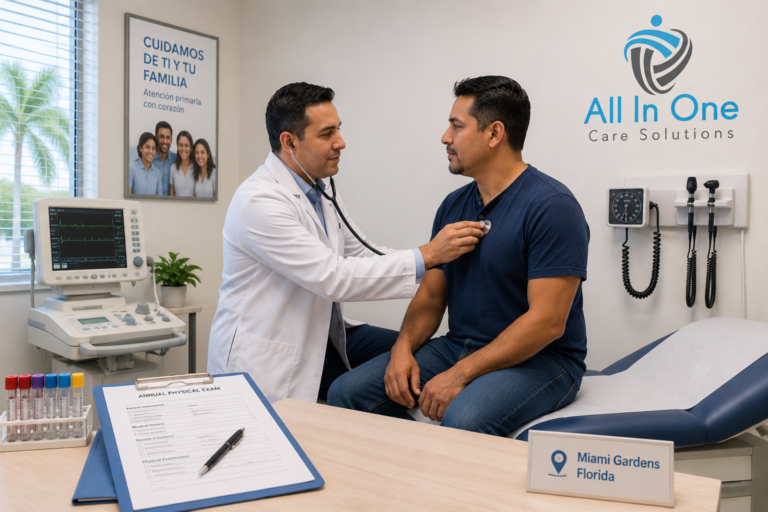

How Often Should You See Your Primary Care Doctor in Miami
Last updated: March 5, 2026
Understanding how often you should see your primary care doctor in Miami depends on your age, health status, and risk factors. Most healthy adults should schedule annual checkups, while those with chronic conditions may need visits every 3-6 months. Residents of Miami Gardens, Hialeah, Miami Lakes, and North Miami Beach can benefit from establishing regular preventive care schedules with local primary care providers.
Key Takeaways
• Healthy adults (18-39): Annual physical exam and preventive screenings
• Adults 40-64: Annual visits plus age-specific screenings (mammograms, colonoscopies)
• Seniors 65+: Every 6-12 months depending on health conditions
• Chronic conditions: Every 3-6 months for diabetes, hypertension, heart disease
• Preventive care: Vaccinations, lab work, and screenings based on age and risk factors
• Urgent concerns: Same-day or next-day appointments for acute symptoms
• Family medicine: Comprehensive care for ages 12 and up in one location
• Insurance coverage: Most plans cover annual wellness visits at 100%
Quick Answer
Most adults should see their primary care doctor annually for preventive care and wellness exams. Those with chronic conditions like diabetes or hypertension need visits every 3-6 months. Adults over 40 require more frequent screenings, while seniors may need appointments every 6 months. The exact frequency depends on your individual health status, family history, and current medications.
What Determines Your Visit Frequency?
Your primary care visit schedule depends on several key factors that your doctor evaluates during each appointment. Age serves as the primary baseline, with younger adults typically needing annual visits while older patients require more frequent monitoring.
Health Status Categories:
• Excellent health: Annual wellness visits for preventive care
• Managed conditions: Every 3-6 months for ongoing monitoring
• Multiple chronic diseases: Every 2-4 months with specialist coordination
• Recent illness or surgery: Follow-up visits as recommended by your physician
Risk Factor Assessment:
Family history of heart disease, diabetes, or cancer may require more frequent screenings. Lifestyle factors like smoking, obesity, or sedentary habits also influence visit frequency. Your primary care doctor in Miami Gardens will create a personalized schedule based on these risk factors.
Choose annual visits if you’re healthy with no chronic conditions. Schedule every 6 months if you have one managed condition like controlled hypertension. Plan quarterly visits if you have multiple chronic conditions requiring close monitoring.
How Often Should Healthy Adults See Their Primary Care Doctor?
Healthy adults between 18-39 years old should schedule annual physical exams with their primary care physician. These yearly visits focus on preventive care, early detection of potential health issues, and establishing baseline measurements for future comparison.
Annual Wellness Visit Components:
• Complete physical examination and vital signs
• Blood pressure and cholesterol screening
• Body mass index (BMI) calculation and nutrition counseling
• Immunization updates (flu, COVID-19, tetanus)
• Mental health screening and lifestyle assessment
• Age-appropriate cancer screenings (cervical, breast, testicular)
Preventive Lab Work:
Most healthy adults need basic lab testing every 1-2 years, including complete blood count, comprehensive metabolic panel, and lipid profile. Women may need additional screenings like Pap smears every 3 years or mammograms starting at age 40.
The annual physical exam in Miami serves as your healthcare foundation, allowing early intervention before minor issues become major health problems.
Visit Frequency for Adults Over 40
Adults aged 40-64 require more comprehensive and frequent primary care visits due to increased risk for chronic diseases. Annual visits remain the standard, but additional screenings and more detailed health assessments become necessary.
Enhanced Screening Schedule:
• Ages 40-49: Annual visits with expanded cancer screenings
• Ages 50-64: Annual visits plus colonoscopy every 10 years
• Women 40+: Annual mammograms and bone density screening
• Men 50+: Prostate cancer screening discussion with physician
Common Health Monitoring:
This age group often develops early signs of diabetes, hypertension, and heart disease. Your family medicine Miami Gardens provider will monitor these conditions closely and may recommend visits every 6 months if risk factors are present.
Medication Management:
Many adults in this age range begin taking daily medications for cholesterol, blood pressure, or other conditions. Regular visits ensure proper medication effectiveness and monitor for side effects.
Chronic Disease Management Visit Frequency
Patients with chronic conditions require more frequent primary care visits to maintain optimal health and prevent complications. The specific schedule depends on the condition severity and how well it’s controlled.
Common Chronic Conditions and Visit Frequency:
• Diabetes: Every 3-4 months for A1C monitoring and medication adjustments
• Hypertension: Every 3-6 months depending on blood pressure control
• Heart disease: Every 3-6 months with cardiology coordination
• Kidney disease: Every 3-4 months with lab monitoring
• COPD or asthma: Every 3-6 months with pulmonary function tests
Diabetes Care Schedule:
Diabetic patients need comprehensive diabetes care in Miami Gardens including quarterly A1C tests, annual eye exams, foot examinations, and kidney function monitoring. Well-controlled diabetes may allow for visits every 4-6 months.
Blood Pressure Management:
Patients with hypertension benefit from blood pressure treatment with regular monitoring every 3-4 months. Newly diagnosed or poorly controlled hypertension may require monthly visits initially.
Senior Care: Ages 65 and Older
Adults over 65 typically need primary care visits every 6-12 months, with the frequency depending on overall health status and number of chronic conditions. Medicare covers annual wellness visits and many preventive services.
Geriatric Care Focus Areas:
• Fall risk assessment and balance testing
• Cognitive function screening for dementia
• Medication review and interaction checking
• Bone health and osteoporosis screening
• Vision and hearing assessments
• Social support and mental health evaluation
Medicare Wellness Benefits:
Medicare Part B covers annual wellness visits, including personalized prevention plans and health risk assessments. Many seniors also qualify for additional screenings and vaccinations at no cost.
Seniors with multiple chronic conditions may need visits every 3-4 months, while healthy seniors can often maintain 6-month intervals. Your primary care provider will adjust the schedule based on your individual needs and health changes.
What’s Included in Regular Primary Care Visits
Comprehensive primary care visits include multiple components designed to maintain your health and catch potential problems early. Understanding what to expect helps you prepare for appointments and maximize their value.
• Complete physical examination including heart, lungs, abdomen, and neurological assessment
• Vital signs monitoring with blood pressure, heart rate, temperature, and weight measurements
• Preventive screenings based on age, gender, and risk factors for early disease detection
• Laboratory testing including blood work, urinalysis, and other diagnostic tests as needed
• Immunization updates for flu, COVID-19, tetanus, and other age-appropriate vaccines
• Medication review to ensure proper dosing, check for interactions, and assess effectiveness
• Health counseling covering nutrition, exercise, stress management, and lifestyle modifications
• Care coordination with specialists, referrals, and follow-up appointment scheduling
How It Works: Scheduling Your Primary Care Visits
Establishing regular primary care visits involves a systematic approach to ensure consistent, comprehensive healthcare. Follow these steps to maintain optimal health through preventive medicine.
Initial Health Assessment: Schedule a comprehensive physical exam to establish baseline health measurements and identify any existing conditions or risk factors that require monitoring.
Create Your Personal Schedule: Work with your primary care provider to determine your optimal visit frequency based on age, health status, family history, and current medications.
Book Annual Wellness Visits: Schedule your yearly physical exam 12 months in advance to ensure consistent preventive care and maintain continuity with your healthcare provider.
Monitor Chronic Conditions: If you have diabetes, hypertension, or other ongoing health issues, schedule follow-up visits every 3-6 months as recommended by your physician.
Track Preventive Screenings: Keep a calendar of age-appropriate screenings like mammograms, colonoscopies, and lab work to ensure you don’t miss important preventive care deadlines.
Utilize Same-Day Care: For urgent but non-emergency concerns, take advantage of same-day doctor appointments to address acute symptoms promptly.
Maintain Communication: Use patient portals, telemedicine options, or phone consultations between visits to stay connected with your healthcare team and address concerns quickly.
Benefits of Regular Primary Care Visits
Consistent primary care visits provide numerous health and financial benefits that extend far beyond treating existing conditions. Preventive care through regular checkups can detect diseases early when they’re most treatable.
Health Benefits:
Early detection of chronic diseases like diabetes and hypertension allows for prompt treatment and better outcomes. Regular monitoring helps prevent complications and hospitalizations. Preventive care includes vaccinations that protect against serious infectious diseases.
Cost Savings:
Most insurance plans cover annual wellness visits at 100%, making preventive care cost-effective. Early detection and treatment of conditions prevents expensive emergency room visits and hospitalizations. Regular medication monitoring ensures optimal dosing and reduces adverse effects.
Convenience and Accessibility:
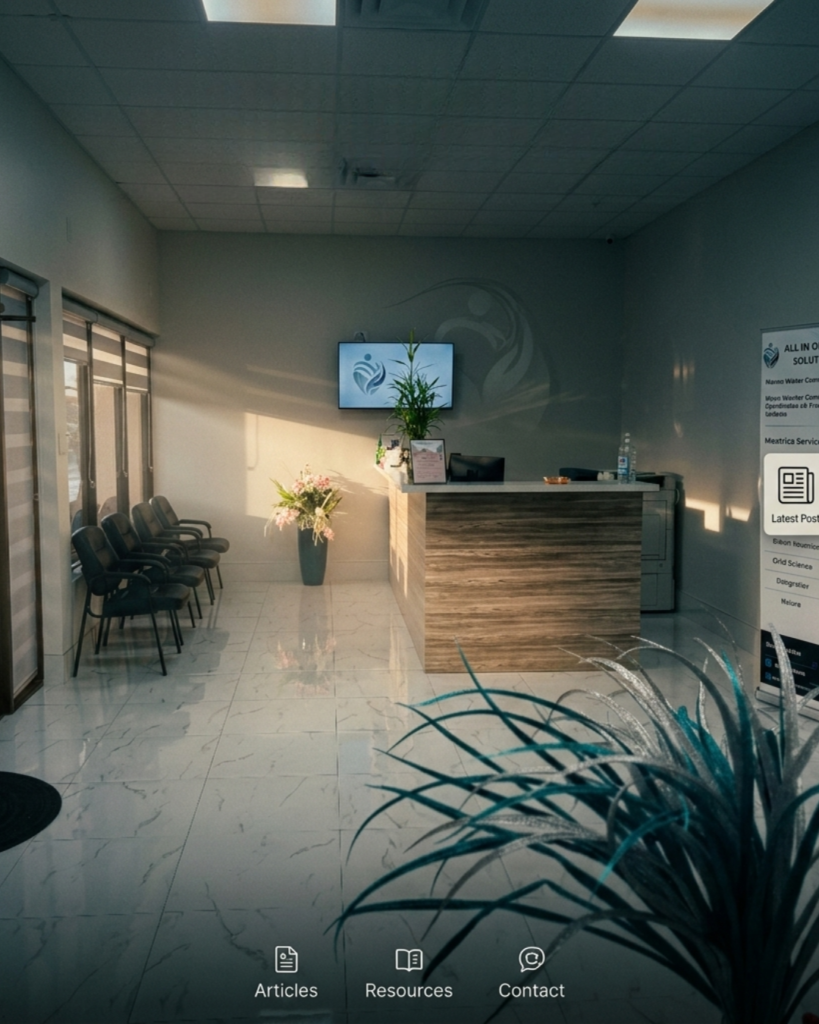
Establishing care with a primary care clinic in Miami Gardens provides convenient access to comprehensive services including lab testing, minor procedures, and specialist referrals in one location.
Special Considerations for Miami Residents
Living in South Florida presents unique health considerations that may influence your primary care visit frequency. The subtropical climate, diverse population, and lifestyle factors require tailored healthcare approaches.
Climate-Related Health Factors:
• Heat-related illness prevention: Especially important for seniors and outdoor workers
• Hurricane preparedness: Medication refills and emergency planning discussions
• Sun exposure protection: Regular skin cancer screenings and vitamin D monitoring
• Seasonal allergies: Year-round allergen exposure requiring ongoing management
Cultural and Language Considerations:
Miami’s diverse population benefits from bilingual primary care services. Cultural competency in healthcare improves patient outcomes and treatment adherence.
Travel Health:
Many Miami residents travel internationally, requiring travel medicine consultations, vaccinations, and preventive medications. Discuss travel plans with your primary care provider well in advance of departure.
When to Seek Urgent Primary Care
Between regular scheduled visits, certain symptoms warrant prompt medical attention from your primary care provider. Understanding when to seek urgent care versus emergency care helps you get appropriate treatment quickly.
Same-Day Primary Care Situations:
• Fever over 101°F with concerning symptoms
• Persistent cough or shortness of breath
• Severe headache or dizziness
• Urinary tract infection symptoms
• Minor injuries or skin infections
• Medication side effects or reactions
Chronic Disease Warning Signs:
Patients with diabetes should seek prompt care for blood sugar levels outside target ranges. Those with hypertension need urgent evaluation for severely elevated blood pressure readings. Heart disease patients should report chest pain or unusual fatigue immediately.
Your primary care provider without the wait can often accommodate urgent visits same-day, providing convenient alternative to emergency room visits for non-life-threatening conditions.
Frequently Asked Questions
How often should healthy adults see a primary care doctor?
Healthy adults ages 18-39 should schedule annual wellness visits for preventive care and screening. Those with risk factors or family history of chronic diseases may need visits every 6-12 months as recommended by their physician.
Do I need to see my doctor more often if I have diabetes?
Yes, diabetic patients typically need visits every 3-4 months for blood sugar monitoring, medication adjustments, and complication screening. Well-controlled diabetes may allow for visits every 4-6 months.
What’s included in an annual physical exam?
Annual exams include complete physical examination, vital signs, age-appropriate screenings, lab work, immunizations, medication review, and health counseling. Most insurance plans cover these visits at 100%.
How often should seniors over 65 see their primary care doctor?
Seniors generally need visits every 6-12 months depending on health status. Those with multiple chronic conditions may require visits every 3-4 months, while healthy seniors can often maintain longer intervals.
Can I get same-day appointments for urgent concerns?
Many primary care practices offer same-day appointments for urgent but non-emergency situations like infections, minor injuries, or worsening chronic disease symptoms. Call your provider’s office for availability.
Conclusion
Regular primary care visits form the foundation of good health throughout your lifetime. The frequency of these visits should align with your age, health status, and individual risk factors. Healthy adults benefit from annual wellness exams, while those with chronic conditions require more frequent monitoring every 3-6 months.
Residents of Miami Gardens, Hialeah, Miami Lakes, and North Miami Beach have access to comprehensive primary care services that address the unique health needs of South Florida communities. From preventive screenings to chronic disease management, establishing a consistent relationship with your primary care provider ensures optimal health outcomes.
The investment in regular primary care visits pays dividends through early disease detection, better management of existing conditions, and reduced healthcare costs over time. Don’t wait for symptoms to appear – proactive healthcare through scheduled visits with your primary care physician is the best strategy for maintaining lifelong wellness.
Book your appointment at All In One Care Solutions Medical Center — same-day appointments available Monday through Friday.
📍 16191 NW 57 Ave, Miami Gardens, FL 33014
📞 (786) 446-9414
🌐 allinonecaresolutions.com
Hablamos Español — Bilingual care available.